

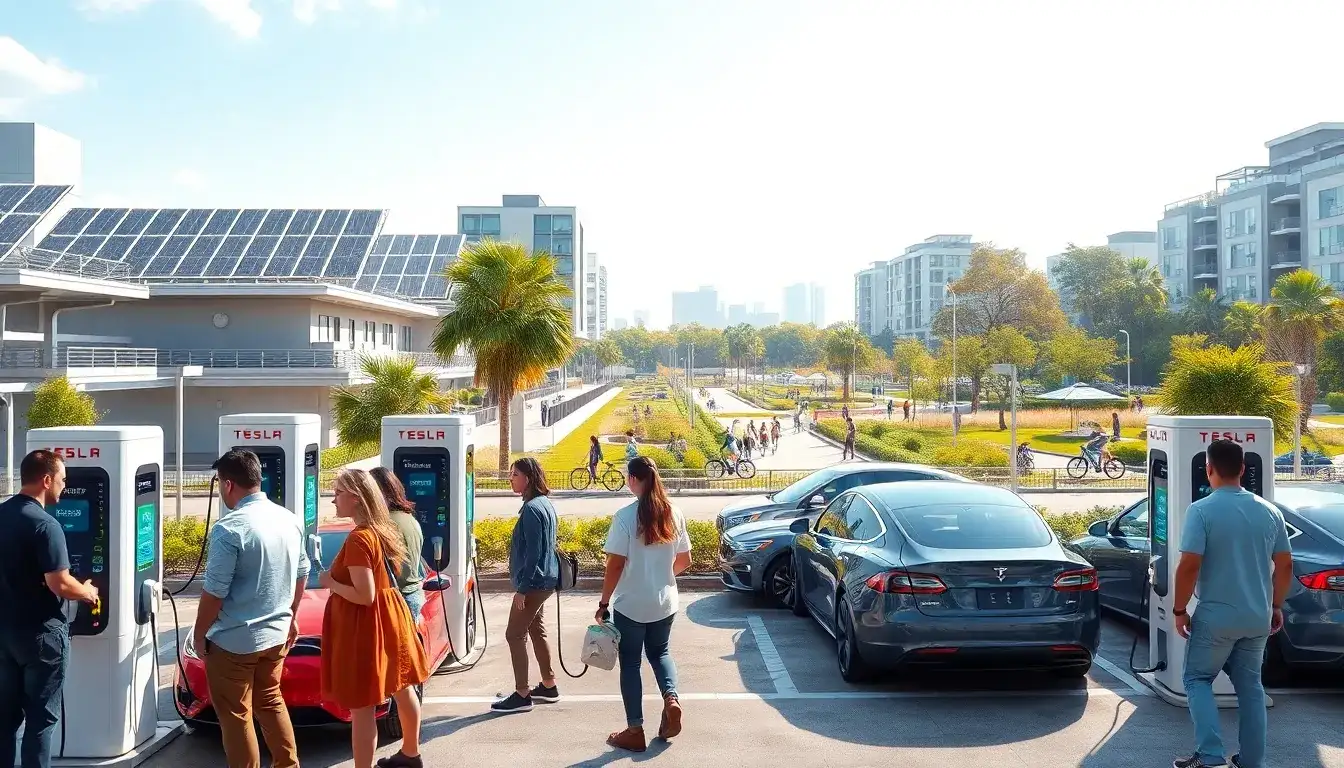
Steps to Minimize Issues with Non-Tesla Charging Networks
1. Register with Multiple Charging Networks
Having accounts with several charging providers (such as ChargePoint, EVgo, Electrify America) broadens access and flexibility, reducing the chance of being stranded due to network-specific problems or charger unavailability.
2. Use Reliable Network Apps to Check Availability and Status
Before heading to a charger, check real-time availability and operational status via apps. Many network apps provide updates on charger functionality and can help avoid arriving at an out-of-service station.
3. Adopt Standard Connectors or Use Adapters
Most automakers now adopt the North American Charging Standard (NACS), which increases compatibility and ease of charging at networks originally designed for Tesla vehicles. For EVs with different connectors, reliable adapters are available to ensure seamless access to networks like Tesla Superchargers or Rivian Adventure Network.
4. Do Not Charge to Full Capacity Regularly
Avoid charging to 100% frequently to reduce waiting times at busy stations and improve the charger availability for others. This also helps maintain battery health.
5. Be Prepared for Payment Issues
Payment problems are common on some networks, including failure of transactions or chargers not starting despite payment. To mitigate this:
- Ensure your payment method is up-to-date in the network app.
- Have backup payment methods or accounts on other networks.
- Monitor the charging session closely after payment to catch issues early and switch if needed.
6. Know Which Networks Are Most Reliable
Tesla Superchargers and Rivian’s Adventure Network report the fewest problems (around 4-5%), while networks like Shell Recharge, EVgo, and Blink have higher reported issues (41-48% problem rates). Favoring more reliable networks or planning routes that leverage these can reduce frustrations.
7. Use Apps with Integrated Payment and Network Aggregation
Some apps integrate multiple networks and payments into a single platform, streamlining user experience and reducing friction when switching between different providers.
8. Understand Charger Types and Speeds
Direct Current Fast Chargers (DCFC) can have a higher problem rate than Level 2 chargers. Being flexible with charger type or selecting stations with multiple charger types might improve charging success.
By combining multiple accounts, leveraging apps for real-time info, using standard connectors/adapters, and choosing more reliable networks, EV drivers can significantly reduce issues when using non-Tesla charging networks and have a smoother charging experience overall.
This multi-pronged approach aligns with current trends improving U.S. EV charging reliability and accessibility as networks continue their development and standardization.
Original article by NenPower, If reposted, please credit the source: https://nenpower.com/blog/what-steps-can-be-taken-to-minimize-issues-with-non-tesla-charging-networks/

