

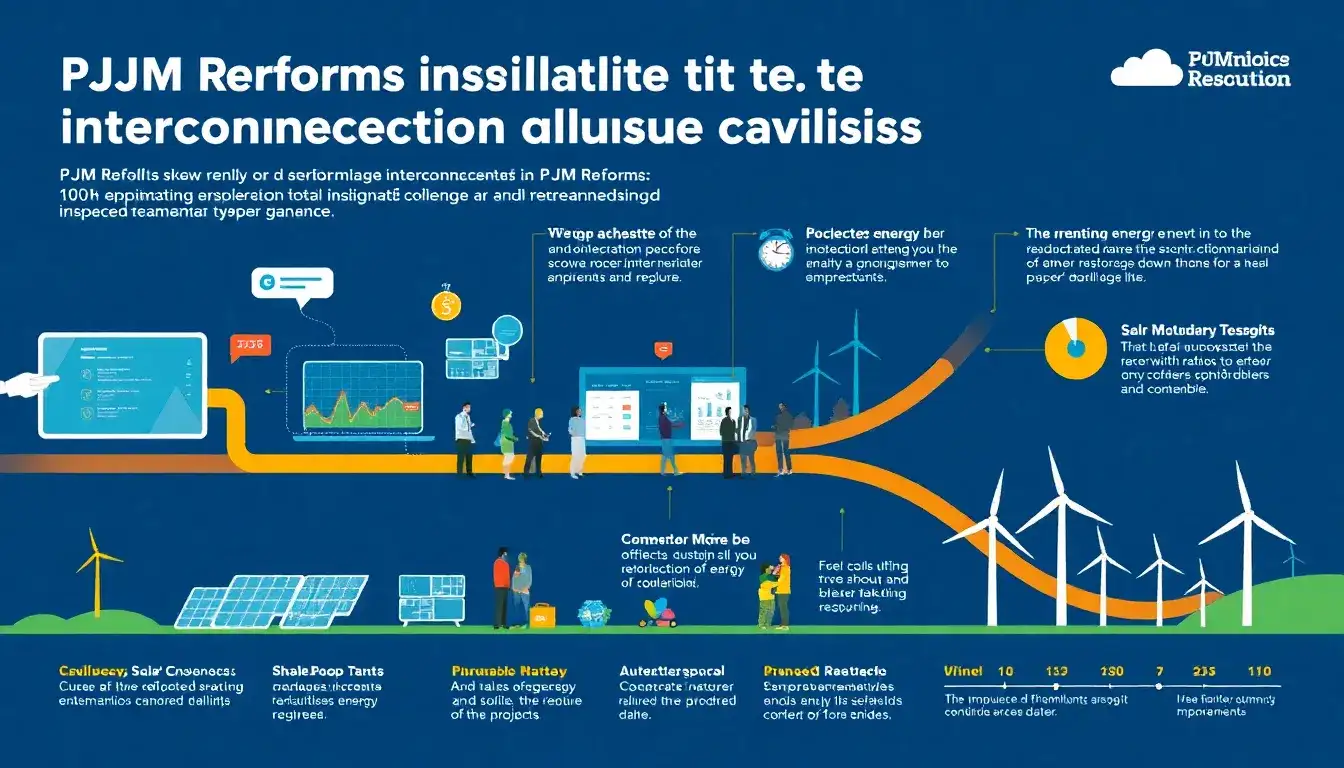
Key Reforms Implemented by PJM
- Transition from First-Come, First-Served to First-Ready, First-Served Approach:
- Clustered Cycle Methodology: PJM shifted from a serial “first-come, first-served” approach to a clustered cycle methodology where projects are grouped for study based on readiness, complexity, and costs. This aims to reduce speculative projects that delay the process.
- Transition Period Rules:
- Processing Backlog: The reforms include specific transition period rules (Part VII of the PJM Tariff) to clear the existing backlog by sorting and prioritizing projects. This involves groupings based on project maturity, study complexity, and interconnection costs.
- Phased Implementation: The transition includes phases such as an Expedited Process and Transition Cycles (#1 and #2) to efficiently handle pending requests. Transition Cycle #2 has been expanded to include up to 50 additional projects to address near-term resource adequacy.
- New Rules (Post-Transition Period):
- Applicability: These rules (Part VIII of the PJM Tariff) apply to new interconnection requests submitted on or after October 1, 2021 (the opening of the “AH2” queue window). They are designed to maintain efficiency in processing new requests under the first-ready, first-served approach.
- FERC Approved Reforms:
- Validation: The Federal Energy Regulatory Commission (FERC) approved these reforms in November 2022, supporting the efforts to accelerate the processing of interconnection requests and reduce the backlog.
These reforms aim to streamline the interconnection process, encourage more mature projects to move forward, and support the integration of new generation capacity into the grid.
Original article by NenPower, If reposted, please credit the source: https://nenpower.com/blog/what-specific-reforms-has-pjm-implemented-to-address-interconnection-queue-challenges/

