

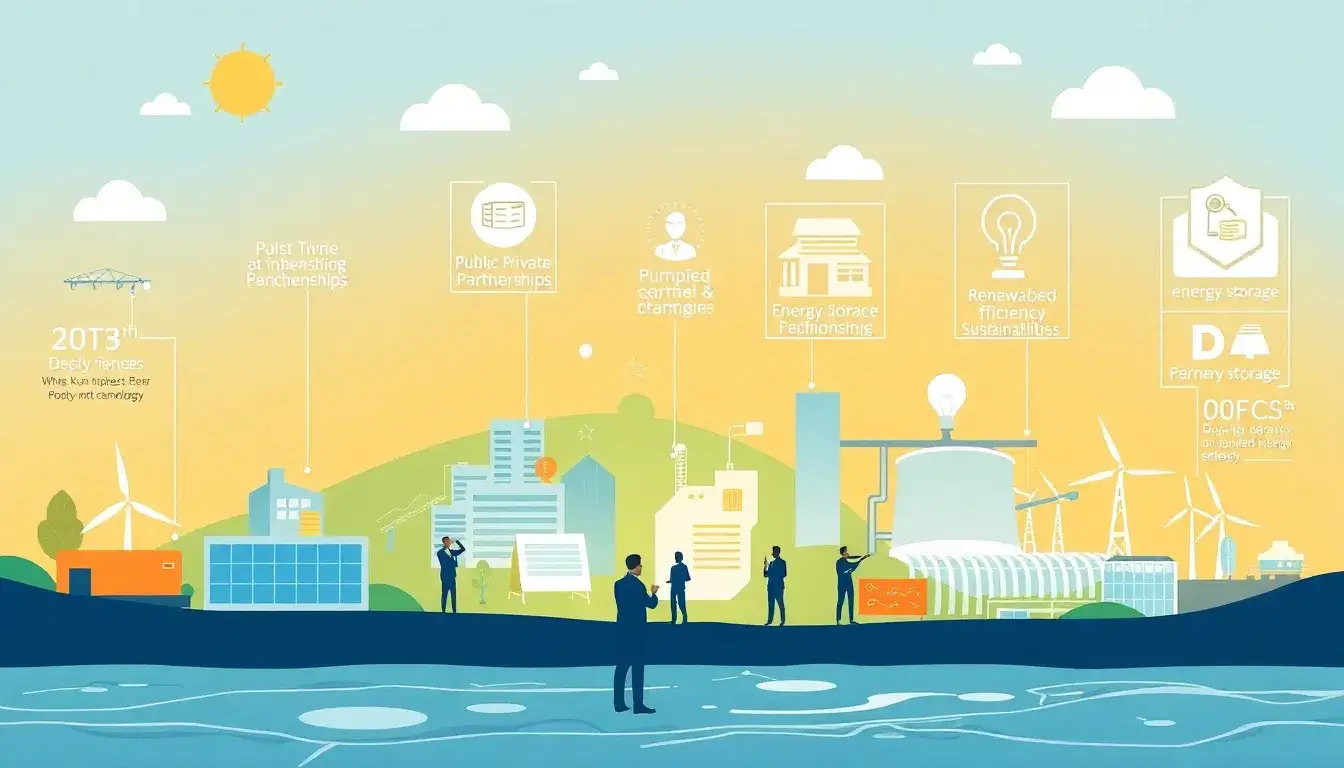
Development Finance Institutions (DFIs) and Energy Storage Projects
Development Finance Institutions (DFIs) play a crucial role in supporting energy storage projects, particularly in emerging markets, by implementing several specific policies:
Policies and Instruments Used by DFIs
- Concessional Financing: DFIs provide low-cost, long-term loans or grants to support early-stage energy storage operations. This approach helps mitigate high upfront costs and risks associated with new technologies.
- Risk Mitigation Instruments: DFIs use guarantees and credit enhancements to reduce the perceived risk of energy storage projects, making them more attractive to private investors. Examples include first-loss guarantees and subordinated debt lending.
- Technical Assistance: DFIs offer capacity-building services to governments and project developers. This includes project pipeline development, framework creation, and technical support for green bond issuance, which helps align energy storage projects with national climate goals.
- Securitization and Green Aggregation Facilities: DFIs sponsor or invest in green aggregation facilities that package small-scale energy storage assets into investable securities, standardizing contracts and increasing credibility among investors.
- Soft Loans and Credit Enhancement for BESS: DFIs provide soft loans to national public finance institutions or directly support BESS project developers. This enhances the creditworthiness of such projects, reducing the cost of capital and encouraging private sector participation.
- Aligning with Climate Goals: DFIs dedicate a growing portion of their funding to green investments, setting deadlines for phasing out fossil fuel financing. They also use frameworks like the Common Principles for Climate Mitigation Finance Tracking to ensure investments align with a 1.5°C pathway.
Key Benefits and Impacts
- Increased Private Sector Participation: By mitigating risks and providing concessional financing, DFIs crowd-in private capital, leveraging their relatively small capital base to mobilize much larger investments.
- Support for Sustainable Energy Transition: DFIs facilitate the integration of renewable energy into grids through energy storage solutions, driving deep decarbonization in developing economies.
- Capacity Building and Country-Level Support: DFIs help develop country-specific strategies and frameworks for sustainable energy investments, ensuring that energy storage projects align with national development goals.
Original article by NenPower, If reposted, please credit the source: https://nenpower.com/blog/what-specific-policies-do-dfis-implement-to-support-energy-storage-projects/

