

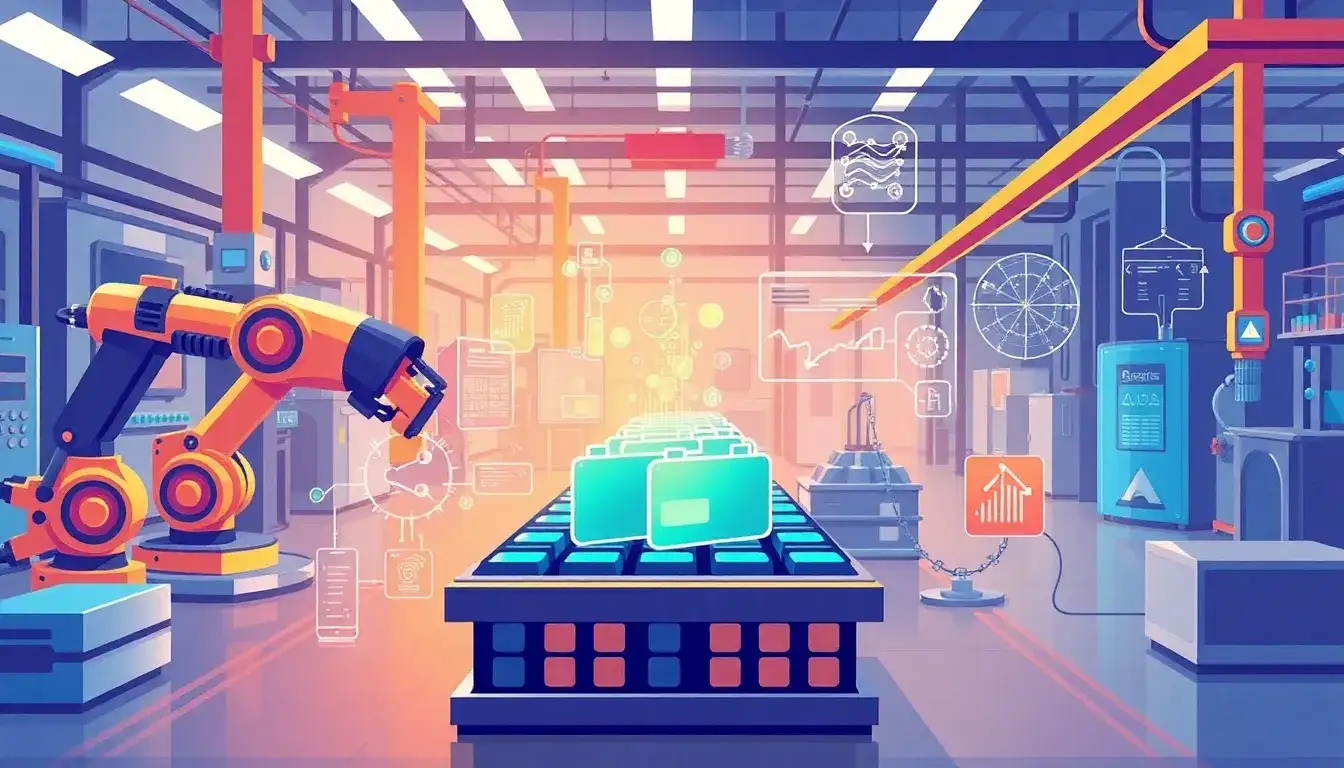
Machine learning (ML) plays a significant role in reducing waste in battery manufacturing by optimizing production processes and minimizing defects. Here are some specific techniques and applications:
Machine Learning Techniques Used
- Process Optimization: ML algorithms analyze vast amounts of process data to identify optimal production conditions. This involves adjusting parameters in real-time to ensure product quality and reduce waste.
- Root Cause Analysis: ML aids in understanding process deviations by uncovering hidden correlations in the data. This helps manufacturers address defects more effectively, reducing the production of defective batteries that would otherwise be waste.
- Predictive Analytics: By analyzing production data, ML can predict when manufacturing processes might go awry, allowing preemptive adjustments to prevent waste generation.
- Anomaly Detection: ML can identify unusual patterns in production data, signaling potential issues before they lead to waste or defects.
Application in Battery Manufacturing
- Optimizing Material Usage: ML helps in designing more efficient material usage patterns, ensuring that the least amount of material is wasted during production.
- Quality Control: By continuously monitoring production processes, ML can quickly detect and address any defects, thereby preventing waste from entering the supply chain.
- Supply Chain Optimization: ML can optimize inventory management and supply chain logistics, reducing waste from overproduction and excess inventory.
These techniques not only enhance manufacturing efficiency but also contribute to more sustainable practices by minimizing waste and energy consumption.
In the broader context of battery sustainability, AI and ML are also crucial for improving recycling efficiency, a related but distinct area from manufacturing.
Original article by NenPower, If reposted, please credit the source: https://nenpower.com/blog/what-specific-machine-learning-techniques-are-used-to-reduce-waste-in-battery-manufacturing/

