

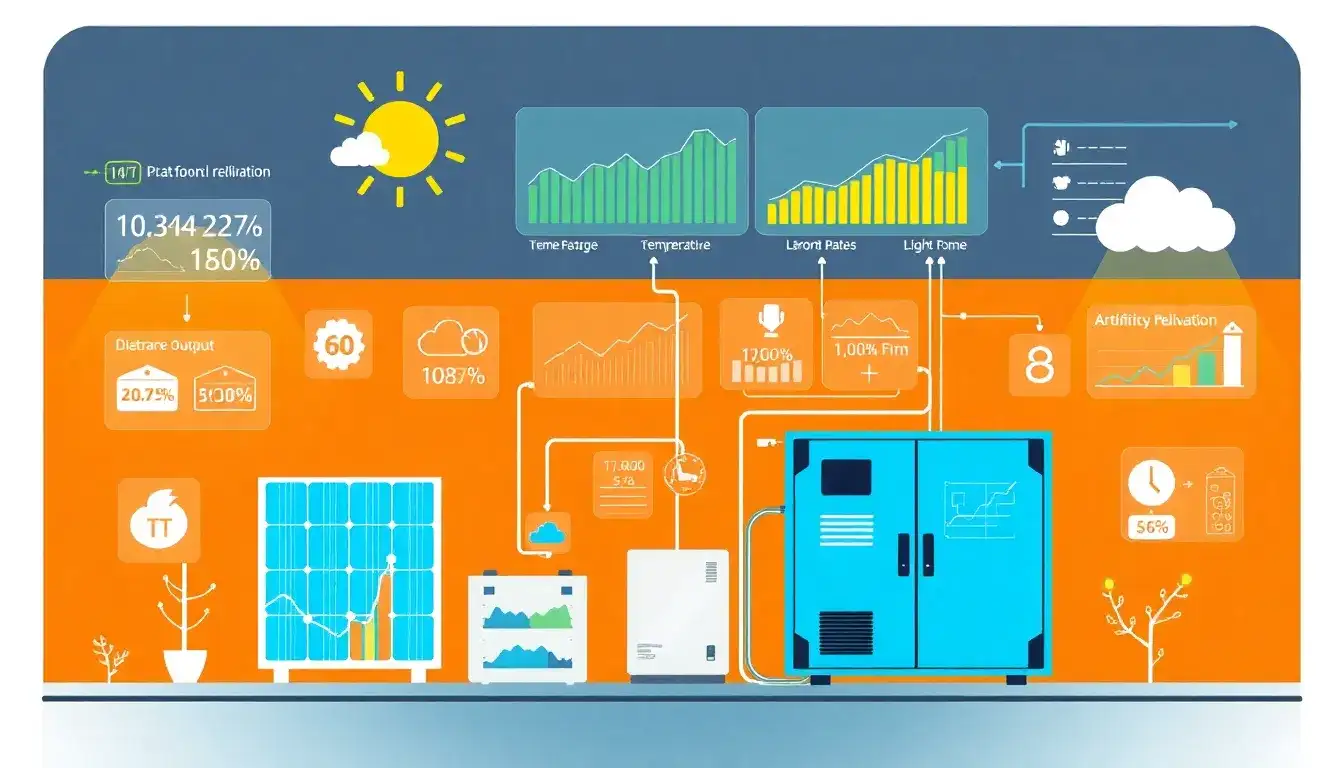
Remote monitoring of solar battery systems allows for the analysis of several key data types, which are crucial for optimizing system performance and ensuring reliability. Here are some of the specific data points that can be analyzed:
- Voltage and Current Levels: Monitoring these parameters helps ensure that the system is operating within safe and efficient ranges, reducing the risk of damage due to overvoltage or undervoltage conditions.
- Power Output and Efficiency: This data allows users to track how much energy their solar system is producing, helping them identify any efficiency issues or bottlenecks in the system.
- Battery State of Charge (SoC): Monitoring SoC is crucial for managing battery health by ensuring that the batteries are fully utilized without being over-discharged.
- Temperature: High temperatures can affect the performance and lifespan of solar panels and batteries. Monitoring temperature helps in identifying if these components are operating under optimal conditions.
- Irradiance Levels: Knowing the amount of solar radiation available helps in understanding the system’s performance relative to the environmental conditions.
- System Health Indicators: These include alerts for faults, such as inverter issues, ground faults, or other system anomalies. Proactive monitoring helps in addressing problems before they escalate.
- Inverter Performance: Real-time data on inverter efficiency and performance can identify any issues impacting overall system productivity.
- Energy Consumption vs. Production: This data helps in balancing energy usage and production, ensuring that the system is contributing effectively to the grid or local consumption.
Original article by NenPower, If reposted, please credit the source: https://nenpower.com/blog/what-specific-data-can-be-analyzed-through-remote-monitoring-of-solar-battery-systems/

