

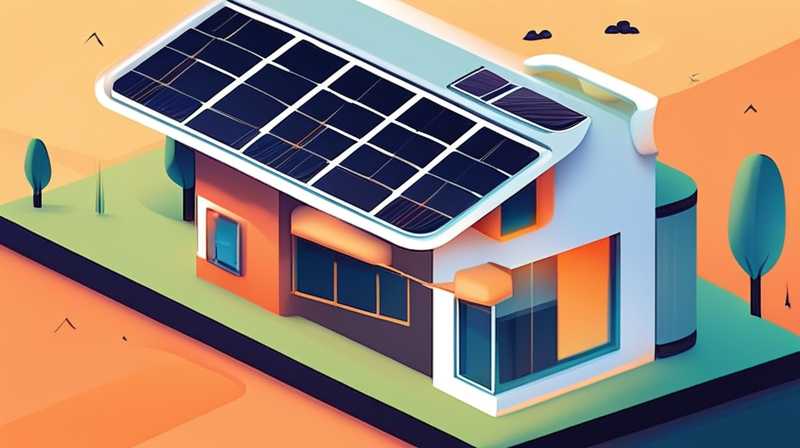
Solar panels transform sunlight into electricity, serving diverse applications from residential power systems to large-scale solar farms. 1. They consist of photovoltaic cells, 2. operate on the principle of the photovoltaic effect, 3. offer eco-friendly energy solutions, 4. have various types suitable for different needs. Focusing on the photovoltaic effect, it plays a crucial role in energy conversion. When sunlight strikes the cells, it energizes electrons, prompting them to flow through an external circuit, thereby generating electricity. This process becomes increasingly significant as the world seeks sustainable energy sources to combat climate change. Solar panels exhibit remarkable efficiency rates, which continue to improve with advancements in technology. Potential users can benefit from significant reductions in energy costs and enhanced energy independence, further validating the importance of solar panels in transitioning to renewable energy.
- INTRODUCTION TO SOLAR PANELS,
Solar panels, a vital component of solar energy systems, harness sunlight to produce electricity. The rapid advancement in technology has led to increased adoption and efficiency, making them an attractive option for both individual and commercial users. Solar panels are primarily made up of photovoltaic (PV) cells, which convert solar energy into usable electrical energy. Through innovation, the solar sector is witnessing a significant transformation, allowing for enhanced applications across various sectors. This technology not only provides a sustainable energy source but also contributes to reducing greenhouse gas emissions.
Understanding solar panels entails a comprehensive exploration of their components, workings, efficiency, and types. By examining how solar panels function, it becomes clear how they can be used in various applications and how they impact the environment positively. The continuous push for sustainability in energy production has spurred interest in solar technology, thus making it essential to comprehend its fundamentals and roles in modern energy consumption.
- COMPONENTS OF SOLAR PANELS,
The key elements that constitute solar panels include photovoltaic cells, a frame, a back sheet, an encapsulant, and a junction box. 1. Photovoltaic cells, which are primarily made from silicon, are the heart of any solar panel. They can be classified into various types such as monocrystalline, polycrystalline, and thin-film cells. Each type offers distinct benefits and drawbacks concerning efficiency, cost, and space requirements. 2. The frame is typically constructed from durable materials such as aluminum, providing structural support and protection from environmental elements. Additionally, it facilitates mounting mechanisms for rooftop installations.
The back sheet plays a crucial role in safeguarding the internal components of a solar panel against moisture and environmental degradation. 3. Encapsulants protect the photovoltaic cells while maintaining transparency to allow sunlight to penetrate effectively. This combination ensures long-lasting performance and reliability of the solar panels. 4. Junction boxes are critical for electrical connections, enabling seamless integration with the rest of the solar energy system by providing safe and easy connection points. A comprehensive understanding of these components sets the foundation for appreciating the intricacies of solar energy technology effectively.
- HOW SOLAR PANELS WORK,
The process of converting sunlight into electricity involves several steps, starting with the absorption of light by photovoltaic cells. 1. When sunlight strikes these cells, it causes electrons in the silicon atoms to become energized and begin moving, which generates an electric current. This phenomenon is known as the photovoltaic effect and is the core principle behind solar panel functionality. 2. Inverters then convert the direct current (DC) produced by the solar panels into alternating current (AC), which is the standard electricity used in homes and businesses.
Furthermore, the integration of batteries plays a significant role in enhancing solar panel efficiency. 3. Energy storage systems allow for the capture of excess energy generated during peak sunlight hours, which can be utilized when sunlight is insufficient, such as during the night or cloudy days. This capability not only maximizes energy usage but also increases reliance on renewable energy sources. 4. Additionally, smart monitoring systems enable users to track their energy production and consumption in real-time, promoting more effective management of their solar energy resources. By employing a myriad of components and technologies working in harmony, solar panels serve as an innovative solution for sustainable energy needs.
- BENEFITS OF SOLAR PANELS,
Solar panels offer a plethora of advantages that contribute to the ongoing shift towards sustainable energy solutions. 1. Economic benefits are one of the most compelling reasons for individuals and businesses to invest in solar panels. By generating their electricity, users can dramatically reduce their electricity bills and even sell excess power back to the grid, providing an additional income stream. Over time, the cost savings create a significant return on investment as solar technology becomes increasingly affordable through advancements in manufacturing processes.
Moreover, 2. environmental benefits cannot be overlooked; solar panels significantly reduce reliance on fossil fuels, which are a primary source of greenhouse gas emissions contributing to climate change. The widespread adoption of solar energy technologies mitigates environmental pollution and promotes cleaner air in urban areas. Community-wide implementation of solar energy systems can stimulate job creation in the renewable energy sector, further enhancing the social and economic impacts of solar technology. By providing significant financial, environmental, and social advantages, solar panels establish themselves as an integral part of the energy landscape.
- TYPES OF SOLAR PANELS,
Various categories of solar panels are available, each designed to cater to different needs and preferences. 1. Monocrystalline panels, often regarded as the most efficient type, are created from a single crystal structure, resulting in higher energy conversion rates. Their sleek appearance and compact design make them popular for residential installations where space is limited. Despite the higher upfront cost, the long-term energy savings and efficiency often justify the investment.
In contrast, 2. polycrystalline panels are composed of multiple silicon crystals and offer a more budget-friendly alternative. While they tend to be slightly less efficient than monocrystalline panels, they can still provide substantial energy generation over their lifespan. 3. Thin-film solar panels present flexibility and lightweight characteristics, making them suitable for unique installations, such as on curved surfaces. However, their lower efficiency levels may necessitate more extensive arrangements to produce equivalent power output compared to crystalline options. By understanding the distinctions between these panel types, users can make informed choices that align with their energy needs and budgetary constraints.
- INSTALLATION OF SOLAR PANELS,
Installing solar panels involves several crucial steps that require precise planning and execution. 1. The planning phase begins with a thorough assessment of energy needs, available roof space, and local regulations. Determining the appropriate system size and type is essential to achieve optimal energy generation. Homeowners may benefit from consulting professionals who specialize in solar installations to ensure that every aspect of the system is taken into account.
The next step involves 2. securing permits and approvals, which vary depending on local jurisdictions and regulations. It is paramount to comply with all necessary requirements to avoid potential delays and complications during the installation process. Once permits are secured, the installation team will perform structural assessments of the roof to determine if additional reinforcements are needed. Following the installation of mounting hardware, the solar panels are securely attached, and electrical connections are established, culminating in the system’s commissioning. A successful installation hinges on careful planning, adherence to regulations, and the expertise of trained professionals.
- MAINTAINING SOLAR PANELS,
To ensure the longevity and productivity of solar panels, proper maintenance is key. 1. Routine cleaning is essential, particularly in areas with heavy dust, pollen, or debris. Accumulated dirt can impede sunlight absorption, resulting in decreased efficiency. Users can often manage routine cleaning themselves or hire professionals to maintain optimal performance. Additionally, monitoring systems can provide alerts if performance drops below expected levels, prompting timely inspections.
Regular checks of all electrical connections and the overall system are equally important. 2. Monitoring for signs of damage or degradation allows users to identify potential issues before they escalate. Inverters and batteries, which are essential components of solar energy systems, may require professional servicing or replacement at certain intervals. Engaging with qualified technicians ensures that all system elements continue functioning correctly and at peak efficiency. Through diligent maintenance efforts, users can maximize their solar panels’ lifespan and energy output while reaping the benefits of sustainable energy production.
- THE FUTURE OF SOLAR PANELS,
Looking ahead, the future of solar panels appears bright, driven by continuous advancements in technology and increasing global demand for sustainable energy sources. 1. Innovations like BIPV (Building-Integrated Photovoltaics) are reshaping the landscape by integrating solar technology into building materials such as windows and roofs. This revolutionizes conventional architecture by minimizing energy consumption and enhancing aesthetics simultaneously.
Additionally, 2. emerging technologies such as bifacial solar panels promise to increase overall efficiency by capturing sunlight from both sides of the panel, thus enhancing energy generation. This advancement can lead to lower costs and increased energy yield, making solar panels even more appealing for widespread adoption. Furthermore, government incentives and initiatives worldwide are encouraging investments in renewable energy infrastructure, indicating a significant commitment to a sustainable future. As solar energy technology progresses, the transition towards cleaner energy sources will inevitably accelerate, facilitating substantial changes in energy consumption patterns.
The significance of solar panels in our modern energy landscape cannot be overstated. Their ability to convert sunlight into electricity provides a viable solution to the increasing demand for sustainable energy sources. As more individuals and businesses recognize the myriad benefits associated with solar technology, its adoption will likely continue to escalate. Comprehensive understanding of solar panel components, functionality, types, installment procedures, and maintenance ensures that users can maximize their investment while contributing to environmental sustainability. Furthermore, continued advancements in solar technology promise to enhance efficiency and integration possibilities, revealing a promising trajectory for the renewable energy sector. A commitment to adopting solar energy solutions plays a vital role in shaping a sustainable future while investing in advancements that will redefine the capabilities and applications of solar panels.
FREQUENTLY ASKED QUESTIONS
WHAT ARE THE MAIN TYPES OF SOLAR PANELS?
The solar panel market consists of three primary types: monocrystalline, polycrystalline, and thin-film. Monocrystalline panels are renowned for their efficiency, boasting the highest energy conversion rates among the three. They feature a uniform color and design, making them aesthetically pleasing for residential installations. While their cost is relatively high, the investment may pay off through substantial energy savings over time. In contrast, polycrystalline panels, made from multiple silicon crystals, provide a cost-effective alternative. Though they are slightly less efficient, their performance is commendable, making them suitable for various applications.
Thin-film solar panels prioritize flexibility and lightweight design, allowing for use in unconventional mounting situations, such as on vehicles or curved surfaces. However, while the initial investment for thin-film technology may be lower, they generally require larger setups to achieve comparable energy output to crystallines. Each type has its own advantages and disadvantages, influencing user choices based on budget, space constraints, and desired efficiency levels. Ultimately, understanding the differences among solar panel types enables potential users to select the most suitable option based on their unique energy needs.
HOW LONG DO SOLAR PANELS LAST?
Solar panels are built to exhibit longevity, typically lasting between 25 to 30 years with appropriate maintenance. Various factors contribute to their durability, including the quality of materials used and environmental conditions in which they operate. Manufacturers provide warranties ranging from 20 to 25 years for most solar panel systems, ensuring users protection against defects or significant declines in efficiency during this period. During their lifetime, solar panels may experience a gradual decrease in efficiency, often around 0.5% to 1% per year, depending on the type and conditions.
Frequent maintenance helps ensure that solar panels perform at optimal levels for the duration of their lifespan. Regular inspections, cleaning, and timely repairs can significantly enhance overall longevity, allowing users to maximize energy production. Investing in high-quality solar panels coupled with diligent care will result in prolonged performance, ensuring substantial energy savings throughout their operational life. In conclusion, understanding solar panel longevity helps users make informed choices regarding their investment in renewable energy technology.
ARE SOLAR PANELS WORTH THE INVESTMENT?
Investing in solar panels has become an increasingly appealing option for many individuals and businesses over time. The financial implications of adopting solar energy are profound, often leading to significant reductions in electricity bills. Homeowners and businesses that opt for solar panels typically see return on investment within 5 to 10 years, depending on factors such as location, energy consumption, and available incentives. Additionally, governments and utilities frequently offer tax credits and rebates, enhancing the economic viability of solar adoption.
Moreover, as utility rates continue to rise, solar panels provide a hedge against increasing energy costs while fostering energy independence. The environmental benefits should not be overlooked; transitioning to solar energy contributes to lowering carbon footprints and promoting sustainability. Furthermore, solar panels can add value to properties, making them an attractive option for prospective buyers. Considering these factors, the investment in solar panels is indeed worth it, promoting not only financial gain but also a transition to cleaner energy practices.
Original article by NenPower, If reposted, please credit the source: https://nenpower.com/blog/what-solar-panels/

