

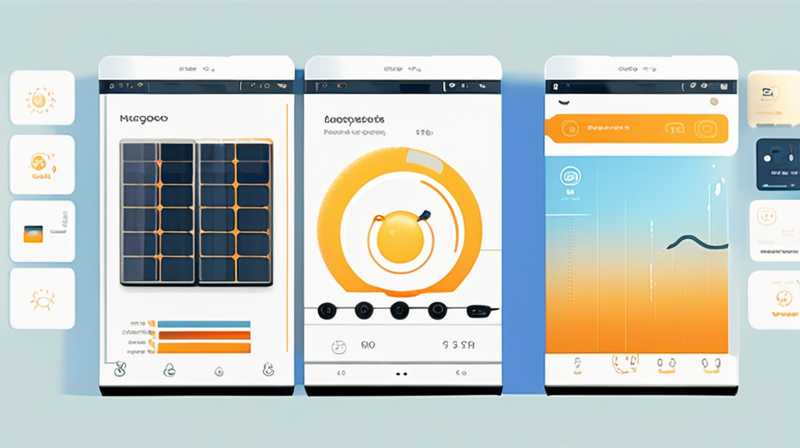
What software APP is used for solar energy monitoring
1. Solar energy monitoring applications are essential for tracking energy production, consumption, and overall system performance. 2. The most prominent software applications include Solar-Log, Enphase Envoy, and Monitoring platforms offered by various inverter manufacturers. 3. These tools enable users to visualize their solar energy generation, access real-time data, and receive alerts for any performance issues. 4. Additional functionalities such as financial analysis and environmental impact assessment are also integrated into these applications.
The application of software for solar energy monitoring has revolutionized how we manage and optimize solar energy systems. These applications not only facilitate better operational awareness but also assist users in making informed decisions about their energy consumption. With advancements in technology, various applications have emerged, catering to diverse needs and preferences.
1. UNDERSTANDING SOLAR ENERGY MONITORING APPLICATIONS
Solar energy monitoring apps are critical tools that facilitate the effective management of solar energy systems. These applications allow users to track the performance of their solar panels, emerging as invaluable resources for homeowners and businesses alike. By employing these software solutions, stakeholders can monitor aspects such as energy production, efficiency rates, and overall system health.
The significance of monitoring cannot be understated, especially in the context of environmental sustainability and energy management. Precise data on solar energy generation helps users identify patterns in energy production, enabling them to make adjustments that enhance performance and increase overall efficiency. The ability to correlate solar output with external factors such as weather conditions provides deeper insights into performance metrics.
2. KEY FEATURES OF SOLAR MONITORING APPS
Most solar energy monitoring applications boast a range of features designed to optimize functionality and ensure user satisfaction. 1. Real-time monitoring is a crucial aspect, allowing users to instantly access their system data. Users can see how much energy is being produced at any given moment, which helps in understanding the fluctuations in energy generation based on environmental conditions.
2. Data Analytics plays a pivotal role in these applications, providing users with insights that contribute to informed decision-making. Many applications include graphical representations, historical data logs, and trending analysis tools, which allow users to visualize their energy production over time. Detailed statistical reports can aid users in assessing the performance effectiveness of their solar systems, potentially pinpointing inefficiencies or areas for improvement.
3. POPULAR SOLAR MONITORING APPLICATIONS
There are several popular solar energy monitoring applications available to users, each with its unique strengths and functionalities. 1. Solar-Log stands out as one of the most prevalent solutions in the market, featuring a user-friendly interface that caters to both novices and experts. It offers comprehensive monitoring capabilities, including real-time data feedback, performance analysis, and remote access features.
2. Enphase Envoy is another noteworthy application widely acknowledged for its robust performance-monitoring capabilities. Specifically designed for Enphase microinverter systems, the app provides seamless integration and enables users to monitor energy production alongside consumption patterns. The application also allows users to receive notifications regarding system performance, ensuring timely responses to potential issues.
4. INTEGRATION WITH SMART TECHNOLOGIES
The integration of solar monitoring applications with smart home technologies has ushered in a new era of energy management. Many modern applications can communicate seamlessly with devices such as smart thermostats, energy storage systems, and other home automation technologies. This level of integration allows for enhanced energy management by synchronizing energy usage with available solar generation.
Moreover, the rise of Internet of Things (IoT) devices has brought even more capabilities to solar energy monitoring. Smart inverters and sensors equipped with Wi-Fi connectivity can relay real-time data to associated applications, enabling homeowners to modify their energy consumption patterns based on the available solar output. This advanced integration not only enhances user convenience but also contributes to improved energy efficiency.
5. USER EXPERIENCE AND INTERFACE
User experience is another critical aspect that governs the effectiveness of solar monitoring applications. 1. Intuitive design elements play an essential role in user engagement and satisfaction. Well-designed applications employ straightforward navigation, clear visuals, and informative dashboards that allow users to access data quickly and easily.
2. Notifications and alert functionalities enhance user experience by keeping homeowners updated regarding their solar energy systems. Many applications offer customizable alerts that notify users of performance drops, maintenance requirements, or any detected anomalies that may hinder optimal operation. This proactive approach empowers users to take corrective actions swiftly, enhancing overall energy management efficiency.
FAQs
WHAT IS SOLAR MONITORING SOFTWARE?
Solar monitoring software refers to applications developed to track the performance and energy production of solar energy systems. These tools give users insights into their solar panels’ operational efficiencies, energy output, and overall health. They help homeowners and businesses identify discrepancies in energy generation, facilitating timely interventions to maintain optimal performance. The comprehensive data offered by these applications can also assist in making informed decisions related to energy management and cost savings.
HOW CAN I CHOOSE THE RIGHT SOLAR MONITORING APP FOR MY NEEDS?
Selecting a suitable solar monitoring application involves evaluating several critical factors. 1. Compatibility is paramount; the application must be compatible with your specific solar energy system and hardware. 2. Analyze functionalities offered, which may include real-time monitoring, data visualization, and performance tracking. Additionally, user experience and interface play a pivotal role in ensuring usability. 3. Check for features such as notifications, historical performance data, and integration capabilities with smart home technologies. Comparing user reviews and industry ratings can also be beneficial in making a well-informed choice.
HOW DOES SOLAR MONITORING BENEFIT USERS?
Solar monitoring provides users with numerous benefits, which can significantly impact their energy management strategies. 1. Enhanced energy efficiency is a primary benefit; users can identify underperforming systems and implement corrective actions. 2. Financial savings can be achieved through optimal energy consumption patterns, reducing reliance on grid electricity. 3. Environmental contributions are also noteworthy, as effective solar energy utilization reduces carbon footprints and promotes sustainable practices. Overall, these benefits collectively enhance user understanding of their energy systems, paving the way for informed decisions that lead to cost savings, improved efficiency, and positive environmental impact.
In summary, the exploration of solar energy monitoring applications unveils a wealth of opportunities for optimizing energy systems. These sophisticated tools empower users by providing real-time data, predictive analytics, and integrative features that enhance user experiences and operational features. Not only do they track energy production, but they also drive financial insights and environmentally sustainable practices. With the increased adoption of solar technologies, the relevance of these monitoring applications will continue to grow, promising a future rich with synonymous energy efficiency and sustainability. Choosing the right software can change the way users engage with their energy, making them active participants in the global initiative towards renewable energy. Therefore, it is imperative for users to consider their needs, the capabilities of various applications, and how these tools can assist in realizing their solar energy aspirations. As advancements in monitoring technologies continue, users stand to benefit immensely, enabling a more profound connection with their renewable energy sources and fostering a culture of sustainability.
Original article by NenPower, If reposted, please credit the source: https://nenpower.com/blog/what-software-app-is-used-for-solar-energy-monitoring/

