To mitigate the risks associated with lithium-ion batteries, several safety measures should be implemented addressing proper usage, storage, handling, and disposal:
Usage Safety Measures
- Use Certified and Compatible Products: Always choose lithium-ion batteries and devices that are UL-certified or meet recognized safety standards. Use only the manufacturer’s recommended charger and battery specific to your device to reduce the risk of malfunction or fire.
- Follow Manufacturer Instructions: Adhere strictly to charging and operating guidelines provided by the device manufacturer. Avoid charging devices outside recommended temperature ranges (typically above 32°F/0°C and below 105°F/40°C).
- Inspect Batteries Regularly: Stop using batteries if any damage signs appear such as swelling (puffiness), discoloration, leakage, unusual odors, excessive heat, deformation, or odd noises.
- Avoid Physical Damage: Never drop, puncture, crush, disassemble, solder, short-circuit, or otherwise damage lithium-ion batteries as this can lead to fire or explosion.
Storage Safety Measures
- Store at Room Temperature: Keep spare batteries and devices in cool, dry places away from direct sunlight, hot surfaces, or high humidity, as heat accelerates degradation and can present a fire risk.
- Separate from Flammable Materials: Store lithium-ion batteries away from anything that can readily burn.
- Protect Battery Terminals During Transport: Prevent short circuits by protecting exposed terminals and avoid contact with conductive materials or liquids.
Charging Safety Measures
- Charge in Safe Environments: Charge devices on a hard, non-flammable surface, preferably in a well-ventilated area or even outside if possible. Avoid charging overnight or unattended.
- Plug Directly into Wall Outlets: Use wall outlets rather than extension cords or USB ports on other devices to ensure stable power delivery.
- Avoid Charging in Extreme Temperatures: Do not charge batteries in environments that are too cold or too hot, as this can damage the battery or create hazardous conditions.
Handling and Disposal
- Handle with Care: Always handle batteries gently to prevent damage; avoid mixing different types or old and new batteries together in the same device or pack.
- Proper Disposal and Recycling: Do not dispose of lithium-ion batteries in household trash. Recycle them at designated battery recycling locations to prevent environmental harm and fire risk in waste facilities.
- Remove from Checked Luggage During Flights: For air travel, carry lithium-ion batteries with you rather than packing them in checked luggage to reduce fire risks onboard.
Additional Safety Practices
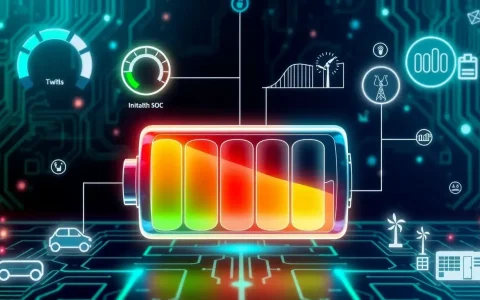
- Use Battery Management Systems: Never use batteries without their electronic management or protection circuits, which help prevent overcharge, over-discharge, and overheating.
- Avoid Unauthorized Repairs: Only trained personnel should open or repair battery modules to prevent exposure to hazards like electrical shock or fire.
Implementing these measures can greatly reduce the risk of fire, explosion, and other hazards related to lithium-ion batteries in consumer and industrial settings. The combination of using certified products, proper handling, cautious charging, suitable storage, and responsible disposal addresses safety comprehensively.
Original article by NenPower, If reposted, please credit the source: https://nenpower.com/blog/what-safety-measures-can-be-implemented-to-mitigate-the-risks-associated-with-lithium-ion-batteries/