

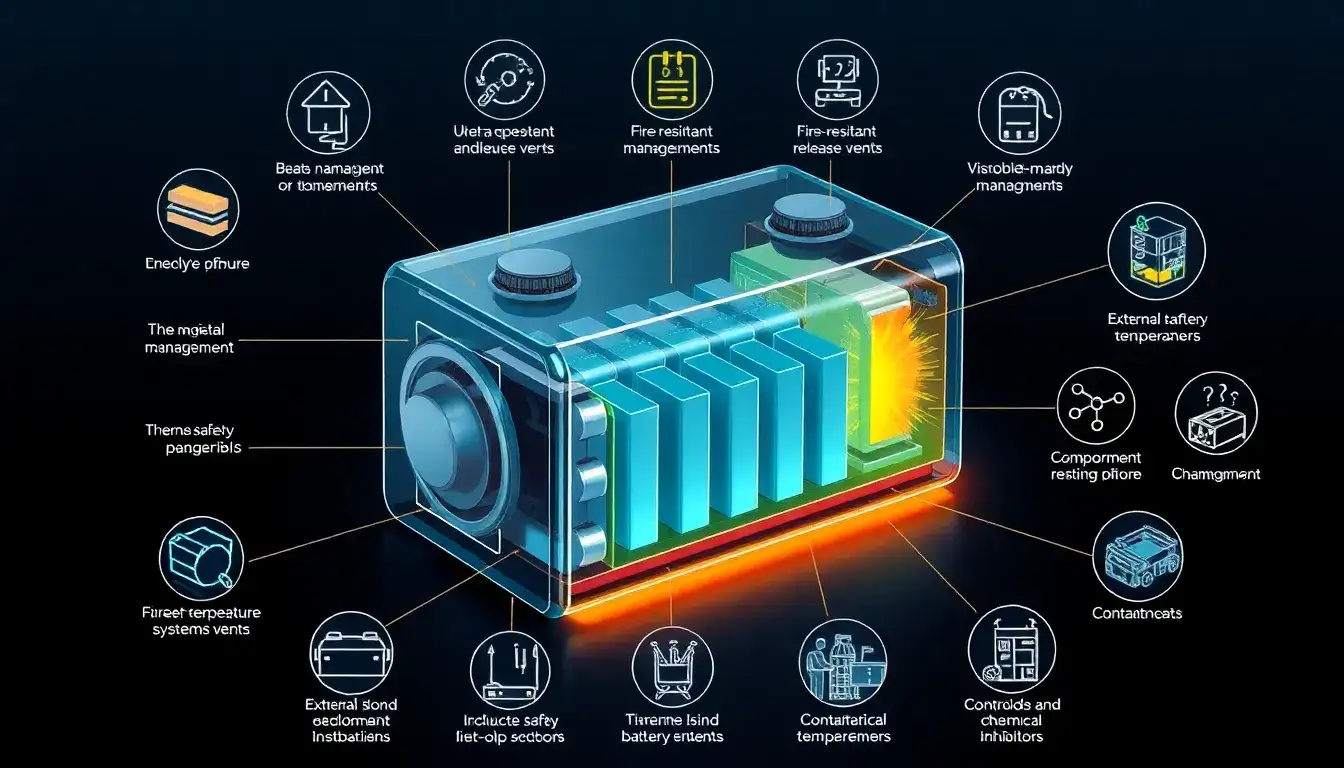
Safety Measures to Prevent Thermal Runaway
1. Proper Insulation and Thermal Barriers
- Thermal Insulation: Proper insulation helps prevent heat from spreading between cells, reducing the risk of thermal runaway. Materials like intumescent polymers and advanced insulators such as AS27-s (a composite material with low thermal conductivity) are used to isolate cells or modules effectively.
- Thermal Barriers: Incorporating thermal barriers between cells can contain heat and prevent the propagation of thermal runaway. These barriers must be non-flammable and able to absorb or dissipate heat effectively.
2. Battery Management Systems (BMS)
- Monitoring and Control: Advanced BMS monitor and record cell-level voltages, currents, and temperatures. They analyze this data to prevent overcharging, overheating, and other conditions that could lead to thermal runaway. BMS can implement adaptive charging protocols and assess the state of health of the battery cells.
- Early Detection and Response: BMS can quickly detect anomalies and trigger safety protocols, such as disconnecting the battery from the charge or disallowing further charging if a potential issue is identified.
3. Improved Cell Design
- Robust Separators: Using robust separators that can withstand higher temperatures helps prevent short circuits between the anode and cathode, a common cause of thermal runaway.
- Safer Electrode Materials: Enhancing the internal structure of battery cells with safer materials reduces the risk of thermal runaway. This includes designing cells to operate within safer voltage ranges and reducing the likelihood of internal shorts.
4. Thermal Management Systems
- Cooling Systems: Effective cooling systems are essential to prevent overheating, which is a precursor to thermal runaway. This includes both active and passive cooling techniques to maintain optimal operating temperatures.
5. Regular Maintenance and Monitoring
- Preventative Maintenance: Regular inspections and maintenance ensure that batteries are functioning correctly and that any anomalies are detected early. This includes annual maintenance visits for lithium-ion batteries as recommended by IEEE.
- Data Analysis: Regular analysis of BMS data helps identify potential issues before they become serious.
6. Protection Systems
- Fire Suppressant Systems: Some systems may include fire suppressant measures, such as NOVEC dry-type or FST aerosol, to mitigate the effects of thermal runaway should it occur.
7. Fault Tolerant Design and Redundancy
- Safe Failure: Battery systems are designed to fail safely in case of thermal runaway, minimizing harm to users or property.
- Redundant Safety Systems: Incorporating multiple independent safety systems ensures that even if one fails, others can still mitigate the consequences of thermal runaway.
By implementing these safety measures, the risk of thermal runaway in lithium-ion batteries can be significantly reduced, ensuring safer and more reliable operation across various applications.
Original article by NenPower, If reposted, please credit the source: https://nenpower.com/blog/what-safety-measures-are-in-place-to-prevent-thermal-runaway-in-lithium-ion-batteries-2/

