

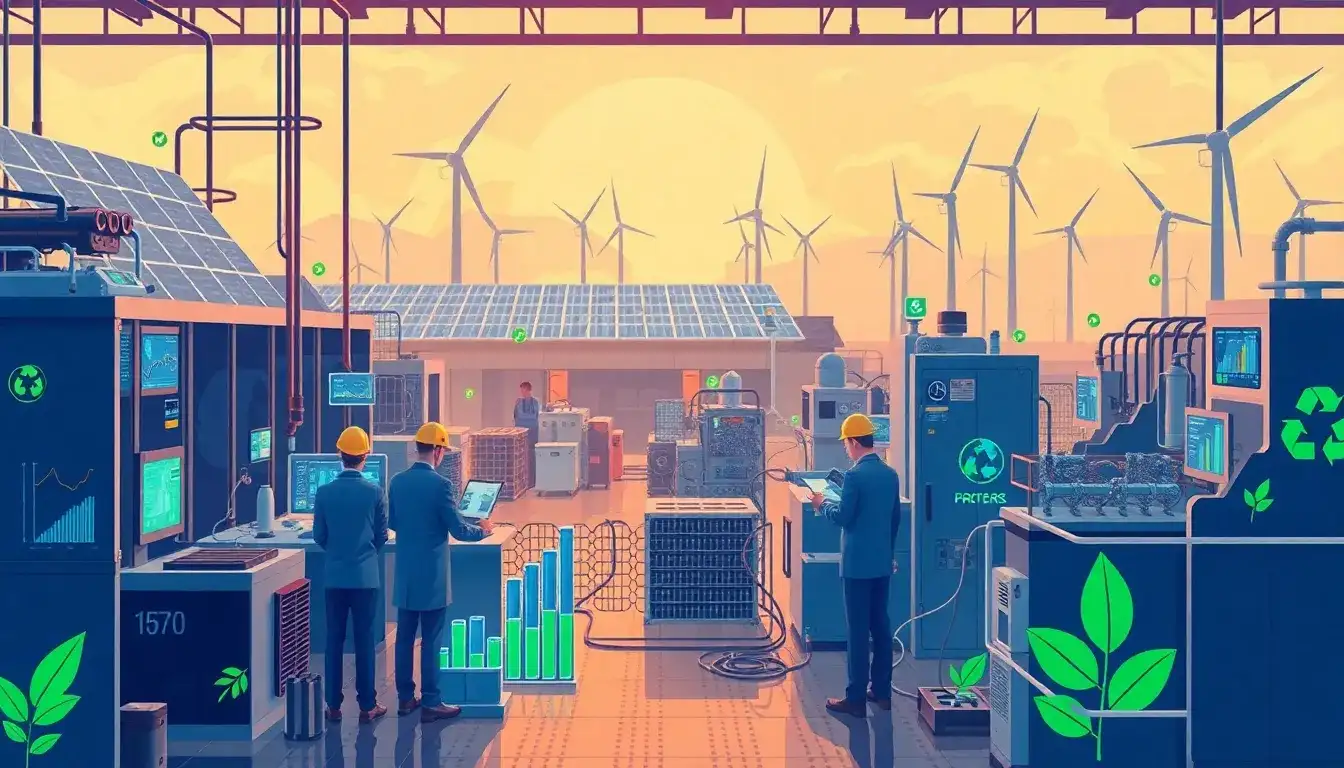
Domestic manufacturing is expected to play a crucial role in reducing energy storage costs significantly in the coming years through several mechanisms:
Cost Reductions Through Manufacturing Optimization
By 2030, total installed energy storage costs could fall by 50% to 60%, with battery cell costs dropping even more. This reduction is driven in large part by the optimization of manufacturing facilities and processes, which domestic manufacturers can implement as they scale up production.
Impact of Scale, Competition, and Overcapacity
A major factor behind current low costs in countries like China is the massive scale of production, intense competition, and overcapacity in battery manufacturing. China currently dominates global installations and achieves turnkey system prices as low as US$85/kWh for 4-hour duration systems — about half the cost seen in the U.S. and Europe.
Domestic manufacturing in the U.S. aims to replicate this scale and competitive environment to drive costs down. However, reaching competitive cost parity requires large-scale deployment and productivity improvements.
U.S. Policy Support and Incentives
The Inflation Reduction Act (IRA) and related federal incentives specifically target domestic manufacturing of energy storage components such as electrode active materials, battery cells, and modules. These incentives include tax credits, grants, low-cost loans, government procurement, and R&D support, which together could reduce storage costs by 40% or more.
If U.S. factories can achieve production yields of around 90% and secure raw materials at reasonable costs, the incentives could make American-made batteries cost-competitive with those manufactured in China.
Challenges and Workforce Development
The domestic energy storage manufacturing sector faces challenges including longer development timelines, workforce shortages, and the need for training in advanced manufacturing skills. Overcoming these will be essential to scale production efficiently and drive cost reductions.
Supply Chain and Raw Material Considerations
Availability and cost of raw materials, particularly processed materials like graphite and cathode/anode active materials, remain potential bottlenecks. Strategic investments and supportive state regulations are required to ensure raw material supply can meet manufacturing demand, which will further influence cost competitiveness.
Summary
| Factor | Role in Cost Reduction |
|---|---|
| Manufacturing optimization | Drives sharp cost declines through efficiency gains |
| Scale and competition | Increased volume and market rivalry lower prices |
| Federal incentives (IRA) | Provide financial support, lowering capital costs |
| Workforce and training | Improves production yield and reduces delays |
| Raw material supply security | Ensures stable input costs and prevents bottlenecks |
Domestic manufacturing is thus poised to be a major lever for reducing energy storage costs by enabling optimized production, benefiting from policy support, and addressing supply chain and workforce challenges to enhance competitiveness globally.
Original article by NenPower, If reposted, please credit the source: https://nenpower.com/blog/what-role-will-domestic-manufacturing-play-in-reducing-energy-storage-costs/

