

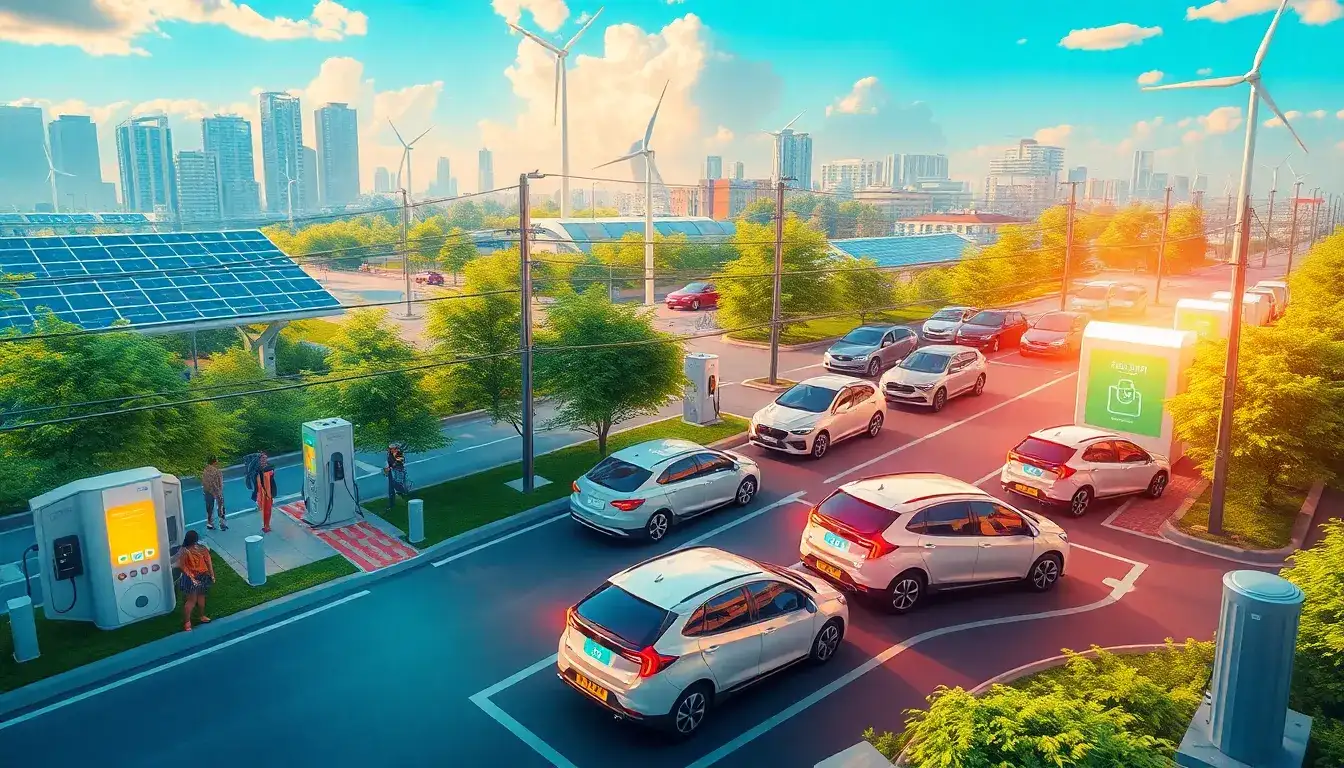
Vehicle-to-grid (V2G) technology enhances the emission-reduction potential of plug-in hybrid electric vehicles (PHEVs) in several key ways:
1. Grid flexibility and renewable integration
V2G enables PHEVs to store excess renewable energy (e.g., solar or wind power) during off-peak periods and feed it back to the grid during high-demand hours. This reduces reliance on fossil fuel-based peaker plants and supports cleaner energy use across the grid.
2. Optimized charging strategies
By shifting PHEV charging to periods of high renewable generation (e.g., midday for solar), V2G minimizes grid dependence on carbon-intensive energy sources. This coordinated charging prevents overloading fossil-fueled plants during peak hours.
3. Emission displacement
When PHEVs discharge stored energy to the grid during peak demand, they offset electricity that would otherwise come from coal or natural gas plants. Studies suggest this process can reduce greenhouse gas emissions by up to 70% under optimal renewable-rich grid conditions.
4. System-wide decarbonization
V2G transforms PHEVs into distributed energy resources, enabling utilities to phase out fossil fuel infrastructure faster. By improving grid resilience and renewable energy utilization, it accelerates the broader electrification transition.
Limitations and considerations
The emission benefits depend heavily on the grid’s renewable energy share. In regions with coal-dominated grids, the impact may be less pronounced until cleaner energy sources are adopted. Additionally, bidirectional charging hardware and regulatory frameworks must mature to scale V2G effectively.
Original article by NenPower, If reposted, please credit the source: https://nenpower.com/blog/what-role-does-vehicle-to-grid-v2g-technology-play-in-reducing-emissions-from-phevs/

