

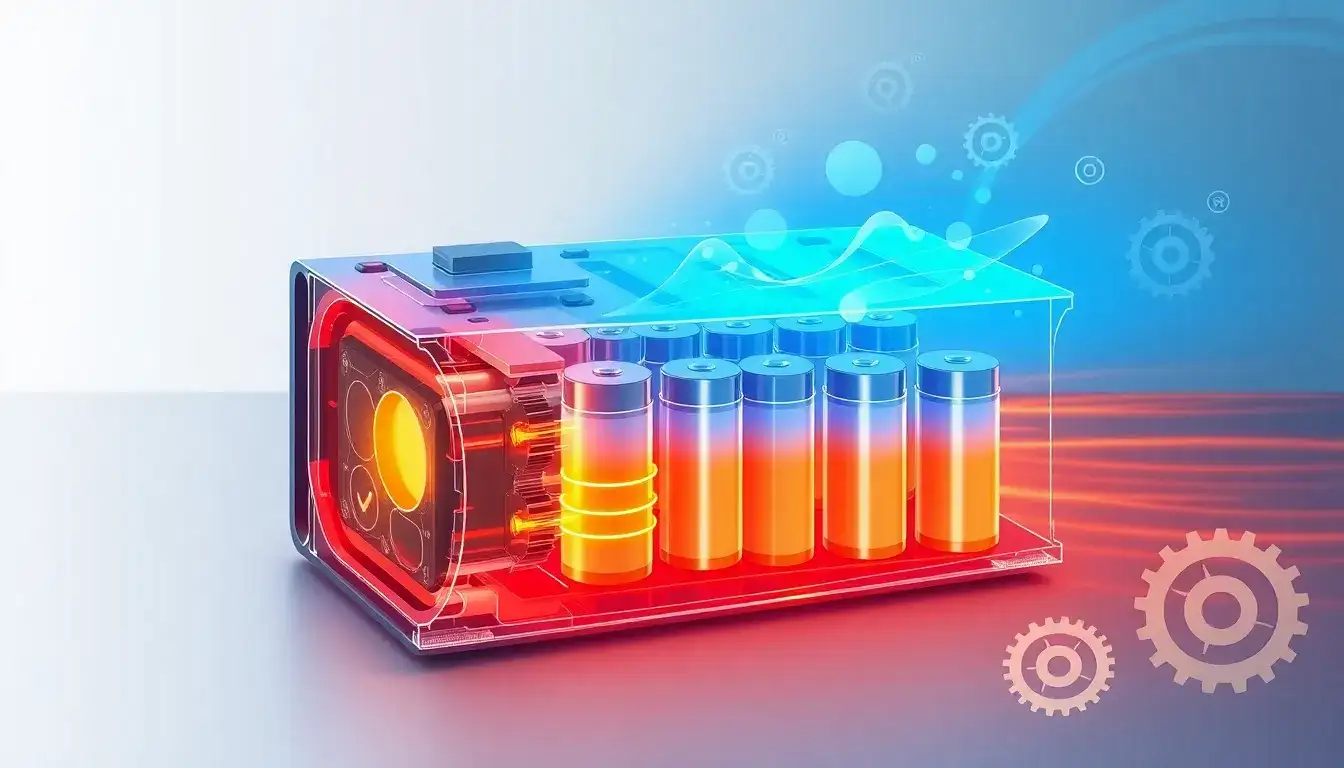
Thermal management is critical for maximizing electric vehicle (EV) battery longevity by maintaining optimal operating temperatures, reducing degradation, and preventing safety risks. Here’s how it works:
1. Regulating Operating Temperatures
EV batteries perform best within a specific temperature range (typically 20-40°C). Thermal management systems (TMS) actively cool or heat batteries to avoid extremes that accelerate chemical degradation or cause lithium plating during charging.
2. Preventing Degradation
Excessive heat causes permanent damage to battery cells through electrolyte breakdown and electrode corrosion, while cold temperatures reduce ion mobility and encourage lithium plating. TMS mitigates these effects, slowing capacity loss.
3. Optimizing Charging
At high temperatures, fast charging generates damaging heat spikes. TMS ensures controlled charging rates and temperatures, preventing lithium plating and thermal runaway risks. Liquid-cooled systems outperform passive cooling for lifespan.
4. Enhancing Efficiency
By keeping batteries near ideal temperatures, TMS reduces energy waste from internal resistance, allowing more consistent performance and indirectly reducing charge cycles that contribute to aging.
5. Safety Assurance
Overheating can lead to thermal runaway and fires. TMS provides active cooling during high-stress events like fast charging or extreme climates, protecting both battery health and vehicle safety.
Well-designed thermal management can help EV batteries achieve their typical 15-20 year lifespan with ≈1.8% annual degradation under moderate conditions.
Original article by NenPower, If reposted, please credit the source: https://nenpower.com/blog/what-role-does-thermal-management-play-in-the-longevity-of-ev-batteries/

