

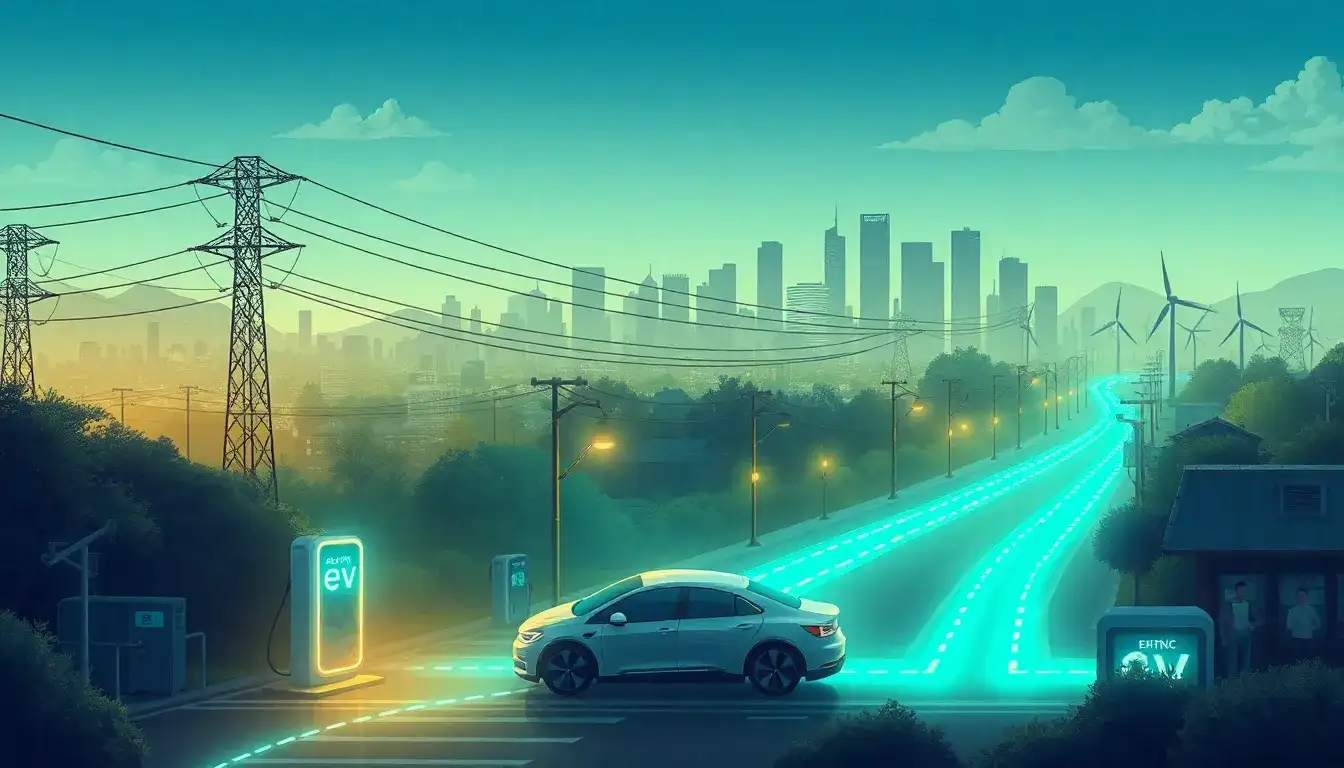
The electricity grid plays a crucial role in determining how effective electric vehicles (EVs) are in reducing air pollution. While EVs themselves produce zero tailpipe emissions, the overall air pollution impact depends largely on how the electricity that powers them is generated.
Role of the Electricity Grid in EV Emissions
- Zero Tailpipe Emissions but Upstream Emissions Exist: EVs and plug-in hybrid electric vehicles (PHEVs) have zero tailpipe emissions when running solely on electricity; however, the production of the electricity used to charge them often involves power plants that emit pollutants depending on their energy source.
- Electricity Source Matters: In regions where the grid relies heavily on fossil fuels like coal or natural gas, the life cycle emissions of EVs (from electricity generation to vehicle operation) may be higher, reducing the net benefit of switching from conventional internal combustion engine vehicles. Conversely, grids powered largely by low-pollution or renewable energy sources, such as hydropower, wind, solar, or nuclear, enable EVs to realize a much larger reduction in total emissions.
- Geographical Examples: Countries like Norway and Sweden that use almost exclusively clean electricity see EVs delivering near-zero total emissions. In contrast, areas with carbon-intensive grids show less pronounced pollution reductions from EV adoption.
- Decarbonization of Grids Enhances Benefits: Many countries, including the US and various European nations, are targeting full decarbonization of their electricity grids by around 2035. As grids become cleaner, the pollution associated with EV charging will diminish, making EVs substantially more effective in reducing air pollution over time.
- Studies on Pollution Reductions: Research indicates that even with today’s mixed electricity sources, EV adoption leads to reductions in air pollution. For example, a 25% electrification of cars in the US yields modest pollution reductions, while a 75% adoption combined with a cleaner grid results in significant air quality improvements. Projections estimate that accelerated EV deployment alongside a 90% clean grid could prevent hundreds of thousands of premature deaths from air pollution by 2050 in the US alone.
Additional Role of EVs in the Electricity Grid
- Beyond emissions, EVs can support grid resiliency through vehicle-to-grid technologies that allow them to supply electricity back to the grid when needed. This helps integrate renewable energy sources and stabilize the grid as transportation electrifies.
In summary, the effectiveness of electric vehicles in reducing air pollution critically depends on the cleanliness of the electricity grid. EVs produce no tailpipe emissions, but their overall environmental benefit is tied to how the electricity they use is generated. Cleaner, decarbonized grids significantly enhance the pollution reduction benefits of EVs, while fossil-heavy grids diminish them. As more regions transition to clean energy, the role of EVs in improving air quality and public health will grow correspondingly. Additionally, EVs can contribute to grid stability, further supporting sustainable energy and transportation systems.
Original article by NenPower, If reposted, please credit the source: https://nenpower.com/blog/what-role-does-the-electricity-grid-play-in-the-effectiveness-of-electric-vehicles-in-reducing-air-pollution/

