

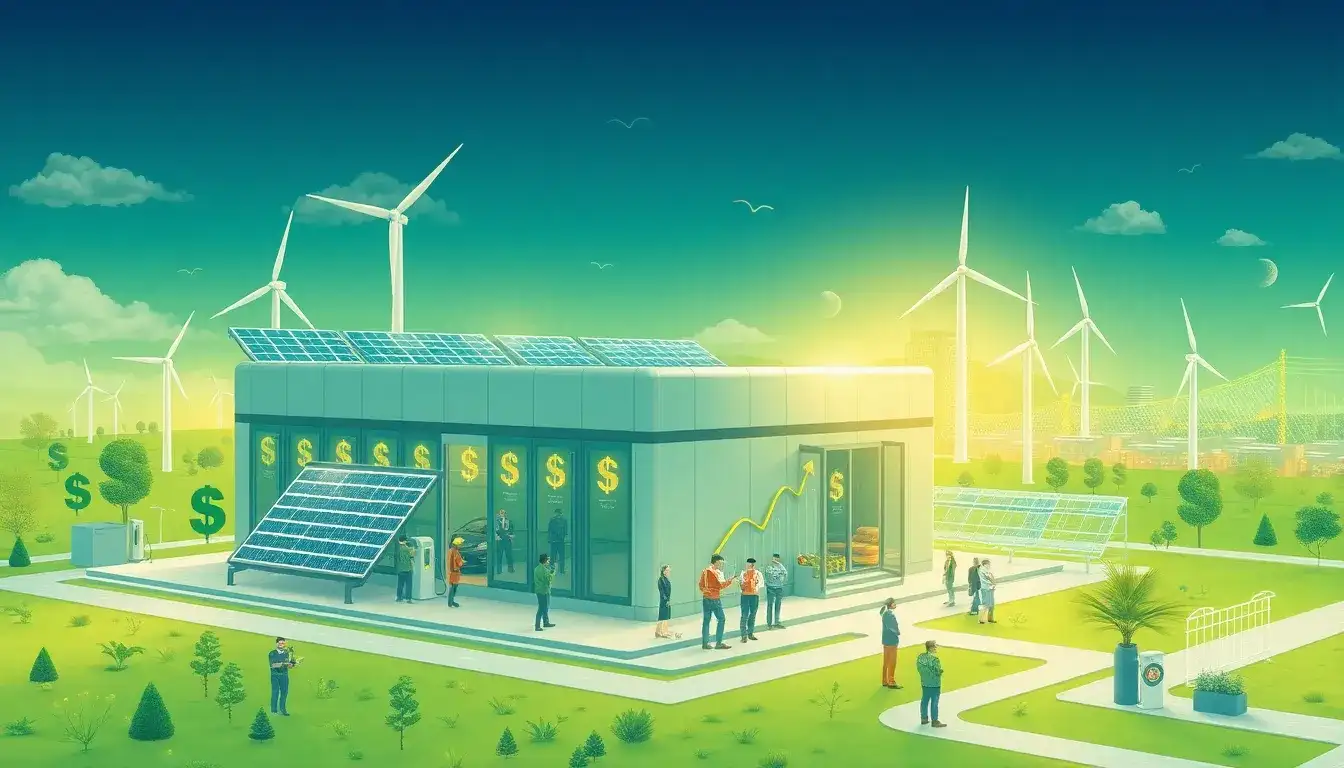
The Inflation Reduction Act (IRA) positions standalone energy storage as a cornerstone of its strategy to accelerate renewable energy adoption and enhance grid resilience. Key aspects include:
1. Unlocking Investment via Tax Credits
The IRA grants standalone energy storage systems eligibility for a 30% Investment Tax Credit (ITC), removing the previous requirement to pair storage with solar projects. This incentivizes broader deployment by reducing upfront costs and improving project economics. Additional domestic content and energy community bonuses could further increase the ITC to 70%, making storage investments far more attractive.
2. Grid Modernization and Reliability
Standalone storage enhances grid flexibility by balancing supply-demand mismatches from intermittent renewables like wind and solar. It supports critical infrastructure resilience, providing backup power during outages and stabilizing voltage/frequency. This reduces reliance on fossil-fuel peaker plants and mitigates curtailment of renewable generation.
3. Accelerating Decarbonization
By enabling cost-effective storage, the IRA ensures renewables can displace fossil fuels more reliably, even when sunlight/wind are unavailable. Storage also facilitates electrification of sectors like transportation and industry by ensuring grid stability amid rising electricity demand.
4. Economic and Industry Growth
The standalone ITC is expected to unleash a surge in storage deployments, driving innovation and economies of scale. This positions the U.S. as a leader in energy storage manufacturing and integration while creating jobs in clean energy sectors.
Original article by NenPower, If reposted, please credit the source: https://nenpower.com/blog/what-role-does-standalone-energy-storage-play-in-the-overall-strategy-of-the-inflation-reduction-act/

