

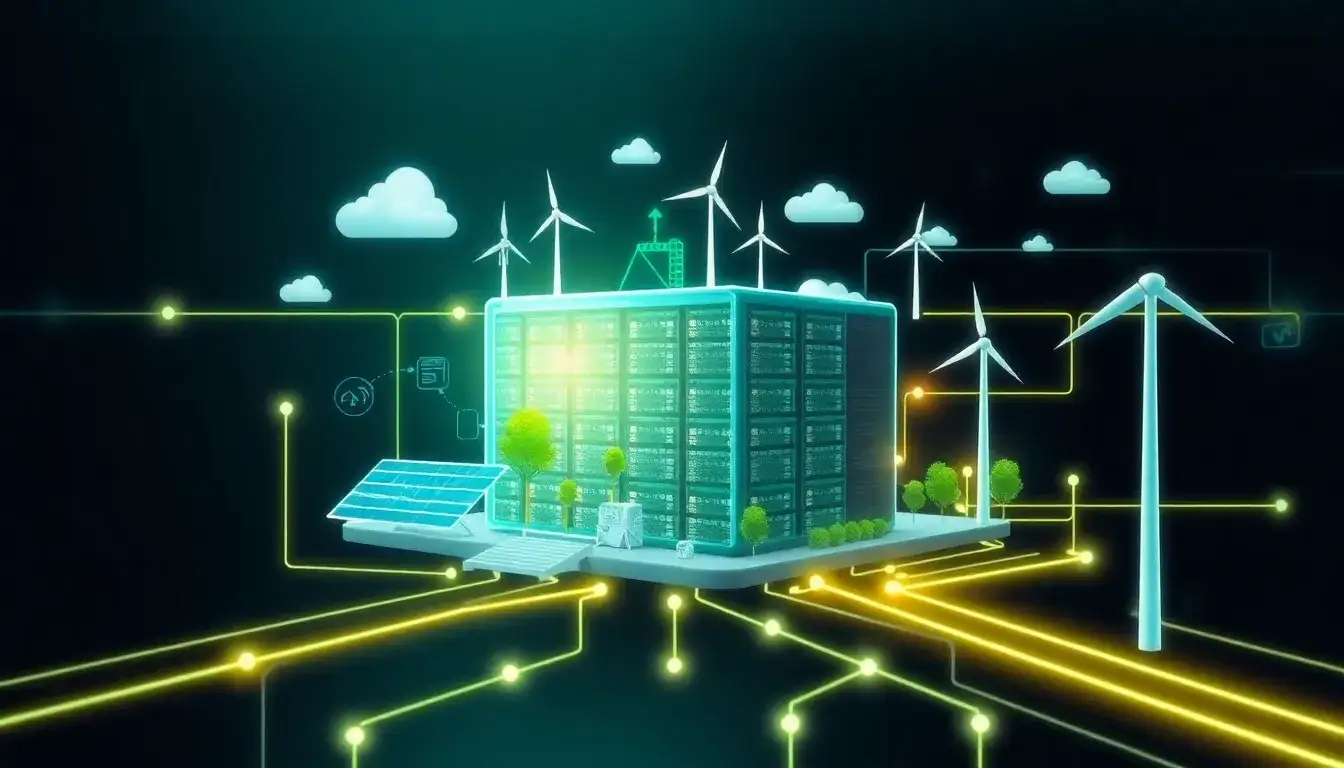
Smart grid participation plays a crucial role in enhancing the sustainability of data centers by optimizing energy usage, integrating renewable sources, and improving overall grid reliability. As data centers increasingly drive energy demand due to their expanding workloads, especially with the growth of AI applications, their participation in smart grid systems becomes essential for several reasons.
Optimizing Energy Management
Smart grids utilize advanced technologies, such as IoT devices and real-time data analytics, to monitor and manage electricity distribution efficiently. This capability allows utilities to dynamically adjust power flow based on real-time demand, ensuring that energy is directed where it is needed most. For data centers, this means they can receive power during off-peak times when it is cheaper and more abundant, thereby reducing operational costs and minimizing their carbon footprint.
Integrating Renewable Energy
Many data centers are committing to renewable energy sources as part of their sustainability goals. Smart grids facilitate the integration of these renewable sources—like solar and wind—into the energy mix by providing the necessary infrastructure and management tools. This collaboration allows data centers to participate in power purchase agreements (PPAs) with renewable energy developers, securing a stable supply of clean energy without overwhelming local grids. Moreover, by generating energy on-site through solar panels or wind turbines, data centers can enhance their self-sufficiency and lower their reliance on grid power during peak demand periods.
Enhancing Demand Response Capabilities
Participation in demand response programs is another key aspect of how data centers can contribute to grid sustainability. These programs allow utilities to incentivize data centers to reduce their energy consumption during peak demand times, thus alleviating stress on the grid. By utilizing smart technology to monitor their consumption patterns, data centers can respond accordingly, either by reducing their load or shifting it to times when renewable energy is more plentiful, which contributes to grid stability and efficiency.
Utilizing Storage Solutions for Grid Support
Smart grids complement the energy storage solutions that many data centers are now adopting. By incorporating large-scale battery systems, data centers can store excess energy generated during periods of low demand and release it during peak usage times. This capability not only helps stabilize the grid but also allows data centers to manage their energy costs more effectively, ensuring that renewable energy use is maximized and waste is minimized.
Supporting Grid Resilience and Reliability
Data centers equipped with smart technologies can also act as grid assets. They can provide ancillary services that help maintain grid stability, such as frequency regulation and voltage control, which are vital for a reliable electricity supply. This dual functionality transforms data centers from mere consumers of electricity into active participants in energy management systems, further enhancing their role in achieving a sustainable energy ecosystem.
In conclusion, smart grid participation significantly boosts data center sustainability by optimizing energy management, integrating renewable energy sources, enhancing demand response capabilities, facilitating energy storage, and supporting grid reliability. As the demand for data services continues to rise, the collaboration between data centers and smart grids will be crucial in balancing technological advancement with environmental responsibility.
Original article by NenPower, If reposted, please credit the source: https://nenpower.com/blog/what-role-does-smart-grid-participation-play-in-data-center-sustainability/

