

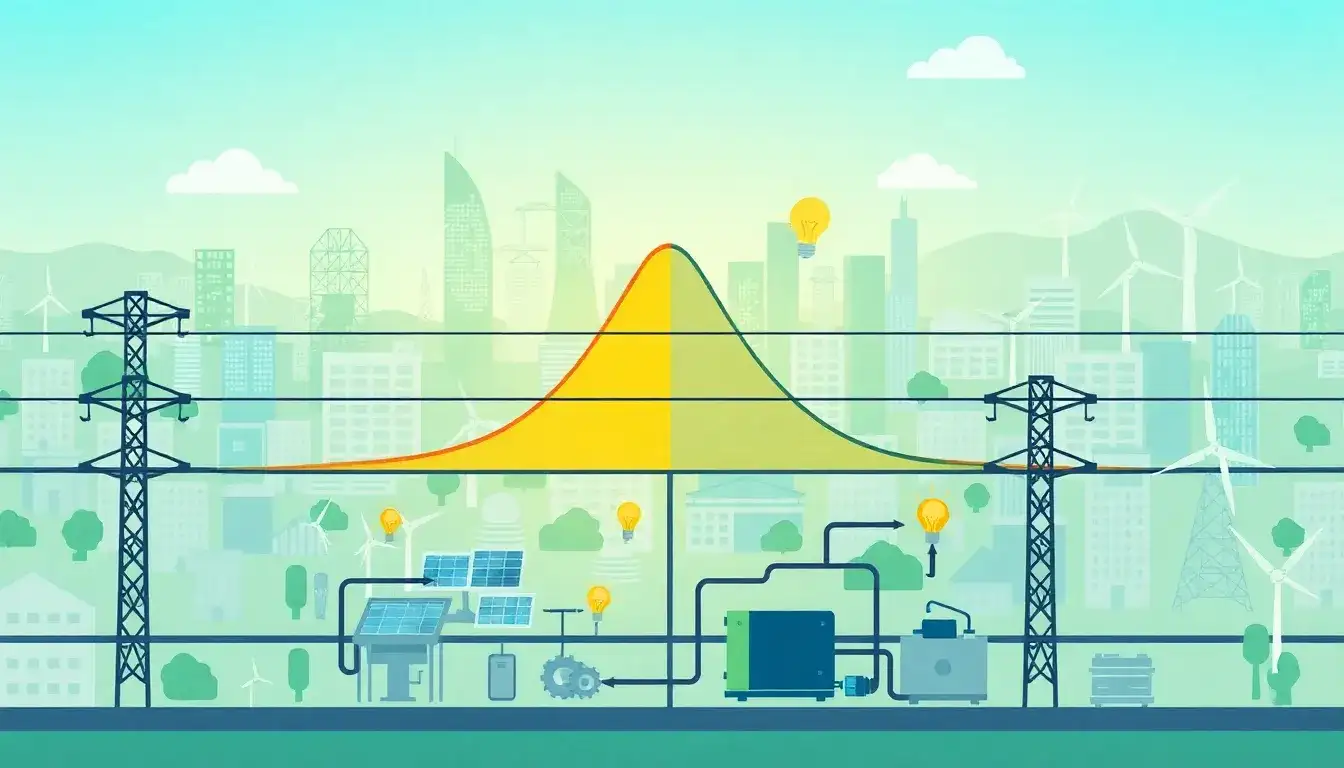
Peak shaving plays a crucial role in reducing demand charges, particularly for commercial and industrial users. Demand charges are fees based on the highest rate of electricity consumption during a specific time period, typically calculated over a 15-minute interval, and they can account for 30% to 70% of a business’s energy bill.
Role of Peak Shaving in Reducing Demand Charges
- Reduces Peak Demand: Peak shaving involves reducing electricity consumption during high-demand periods by either switching off non-essential equipment or using stored energy from battery storage systems. This strategy effectively reduces the peak demand, thereby lowering demand charges.
- Utilizes Energy Storage: Battery energy storage systems (BESS) are integral to peak shaving. These systems store energy during off-peak hours when electricity rates are lower and then supply this stored energy during peak hours, reducing the need to draw power from the grid during expensive peak times.
- Cost Savings: By diminishing the reliance on grid electricity during peak times, businesses can avoid higher electricity costs. The potential savings are significant for high-power demand loads, such as those found in manufacturing facilities or electric vehicle charging stations.
- Stability and Reliability: Peak shaving also enhances grid stability by reducing strain during peak demand periods, which can otherwise lead to power outages or blackouts.
- Integration with Renewable Energy: Combining peak shaving with on-site solar generation can further optimize energy management by storing excess energy for later use, thereby maximizing the benefits of renewable energy sources.
In summary, peak shaving is a powerful strategy for managing demand charges by leveraging energy storage to mitigate short-term spikes in electricity consumption, thus reducing the financial impact of peak electricity rates and enhancing grid stability.
Original article by NenPower, If reposted, please credit the source: https://nenpower.com/blog/what-role-does-peak-shaving-play-in-reducing-demand-charges/

