

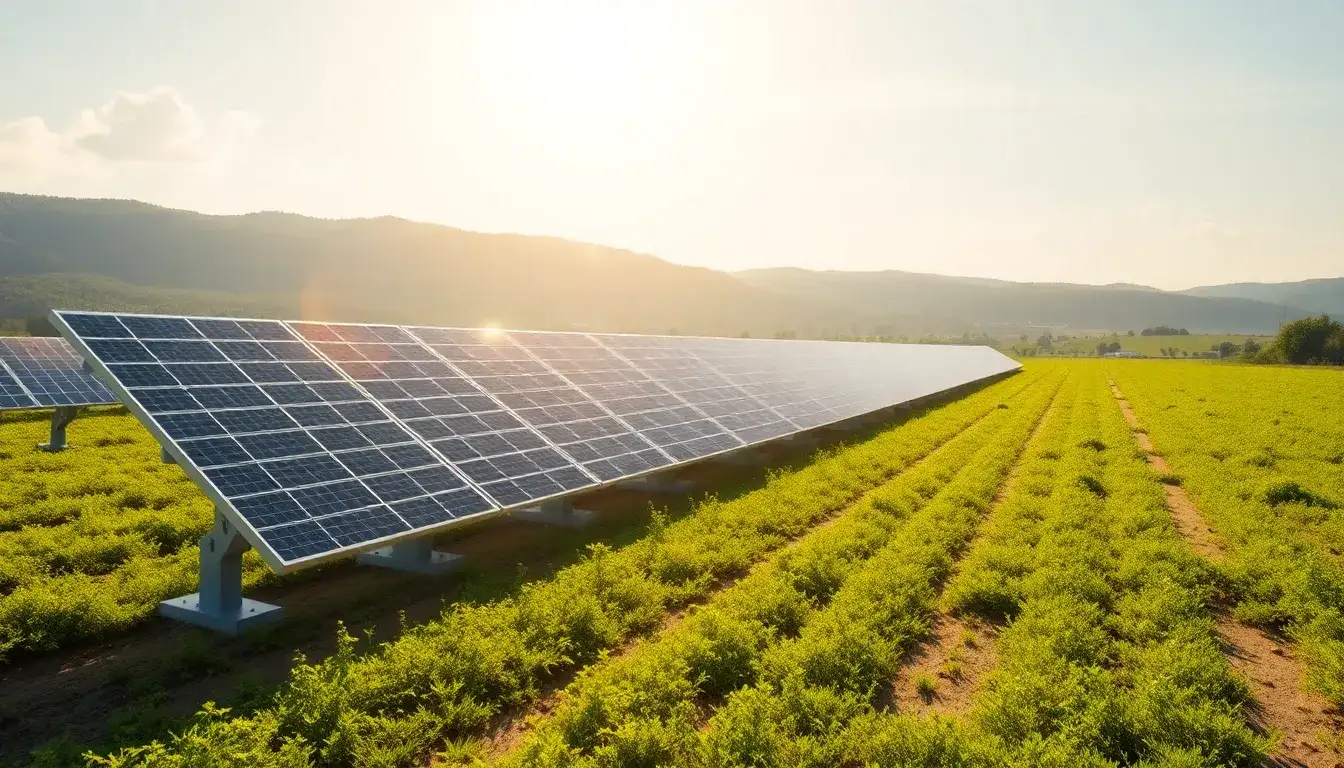
Machine learning plays a crucial role in optimizing solar tracking systems by enhancing their performance and efficiency. Here are some key ways machine learning contributes:
Key Contributions of Machine Learning
- Precision Tracking: Machine learning algorithms analyze historical and real-time data to predict solar patterns and adjust tracking angles in real-time, ensuring optimal alignment with the sun. This enhances energy capture by dynamically adjusting the angle of solar panels to match changing environmental conditions.
- Adaptive Adjustments: These algorithms learn from the system’s performance and environmental data, such as wind speed and sunlight intensity, to make precise adjustments that optimize energy production even in challenging weather conditions.
- Predictive Analysis: By incorporating predictive analytics, machine learning systems can anticipate weather changes and adjust tracking strategies accordingly, ensuring that solar panels operate at peak efficiency regardless of environmental conditions.
- Data Analysis and Integration: Machine learning integrates with various technologies like computer vision, cloud computing, and IoT to gather and analyze vast amounts of data, including ambient temperature, humidity, and real-time weather forecasts. This allows for fine-tuned adjustments that maximize energy output.
- Efficiency Enhancement: Studies have shown that AI-driven solar tracking systems can achieve significant energy gains, such as an average increase of about 1.2% compared to traditional systems, with higher gains on cloudy days.
Overall, machine learning transforms solar tracking systems by making them more efficient, adaptable, and effective in maximizing energy capture under diverse conditions.
Original article by NenPower, If reposted, please credit the source: https://nenpower.com/blog/what-role-does-machine-learning-play-in-optimizing-solar-tracking-systems/

