

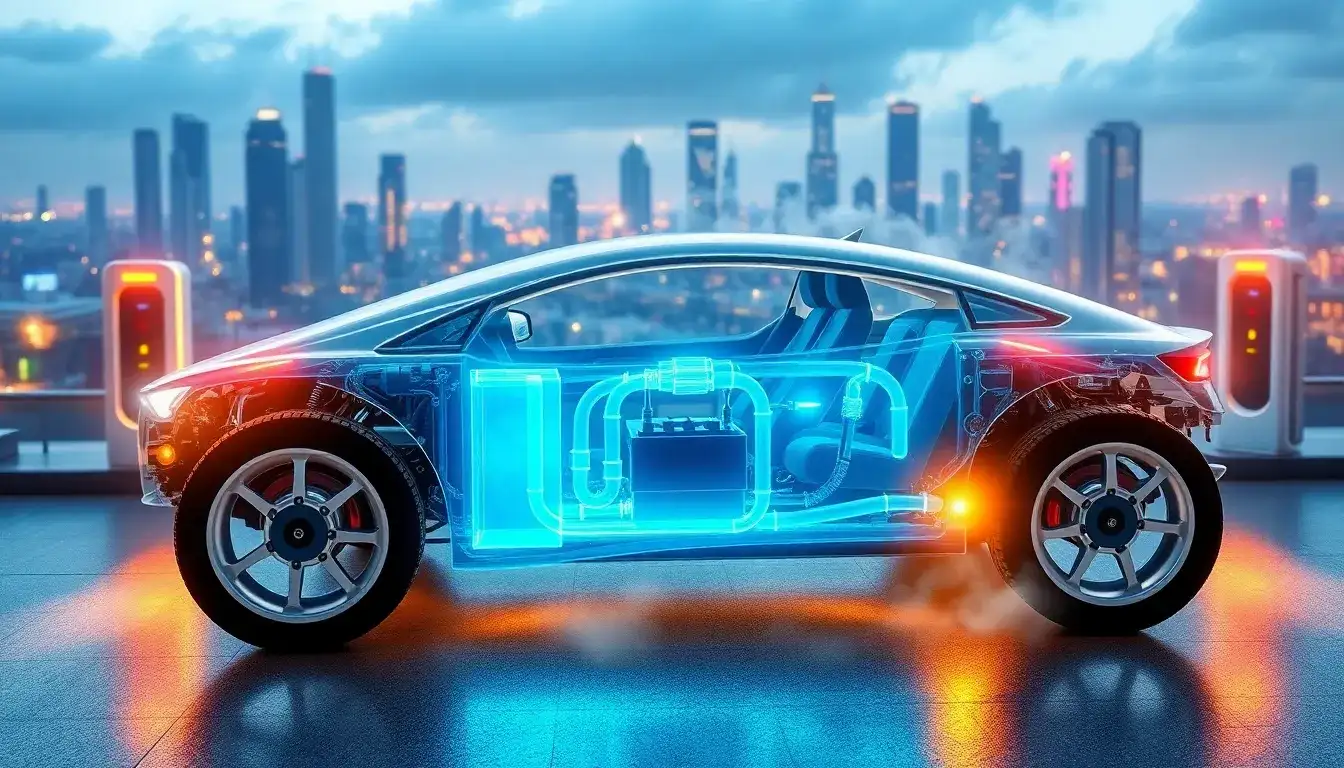
Liquid cooling plays a significant role in the thermal management of electric vehicles (EVs) by effectively managing heat generated during operation, particularly during high-demand conditions like fast charging. Here’s how it contributes:
Key Roles of Liquid Cooling
- Efficient Heat Transfer: Liquid cooling systems use a circulating coolant, often a mixture of water and ethylene glycol, to absorb waste heat from the battery cells. This heat is then transferred to the air via a liquid-to-air heat exchanger or radiator, ensuring that the batteries operate within their optimal temperature range.
- Enhanced Safety and Performance: By maintaining optimal temperatures, liquid cooling enhances the safety and performance of EV batteries. High temperatures can lead to reduced battery lifespan and increased risk of thermal runaway. Liquid cooling mitigates these risks, enabling faster and safer charging cycles.
- Advanced Techniques: Techniques like immersion cooling, where batteries are fully submerged in a dielectric fluid, offer precise temperature control. This approach is particularly effective but requires a larger volume of fluid, which can increase system weight and energy consumption.
- Next-Generation Developments: Ongoing research focuses on optimizing liquid cooling systems to minimize drawbacks such as excess weight and volume use. This involves developing advanced dielectric fluids and adapting solutions to various battery formats.
In summary, liquid cooling is crucial for managing heat in EV batteries, ensuring better performance, safety, and longevity, especially under demanding conditions like fast charging.
Original article by NenPower, If reposted, please credit the source: https://nenpower.com/blog/what-role-does-liquid-cooling-play-in-thermal-management-for-evs/

