

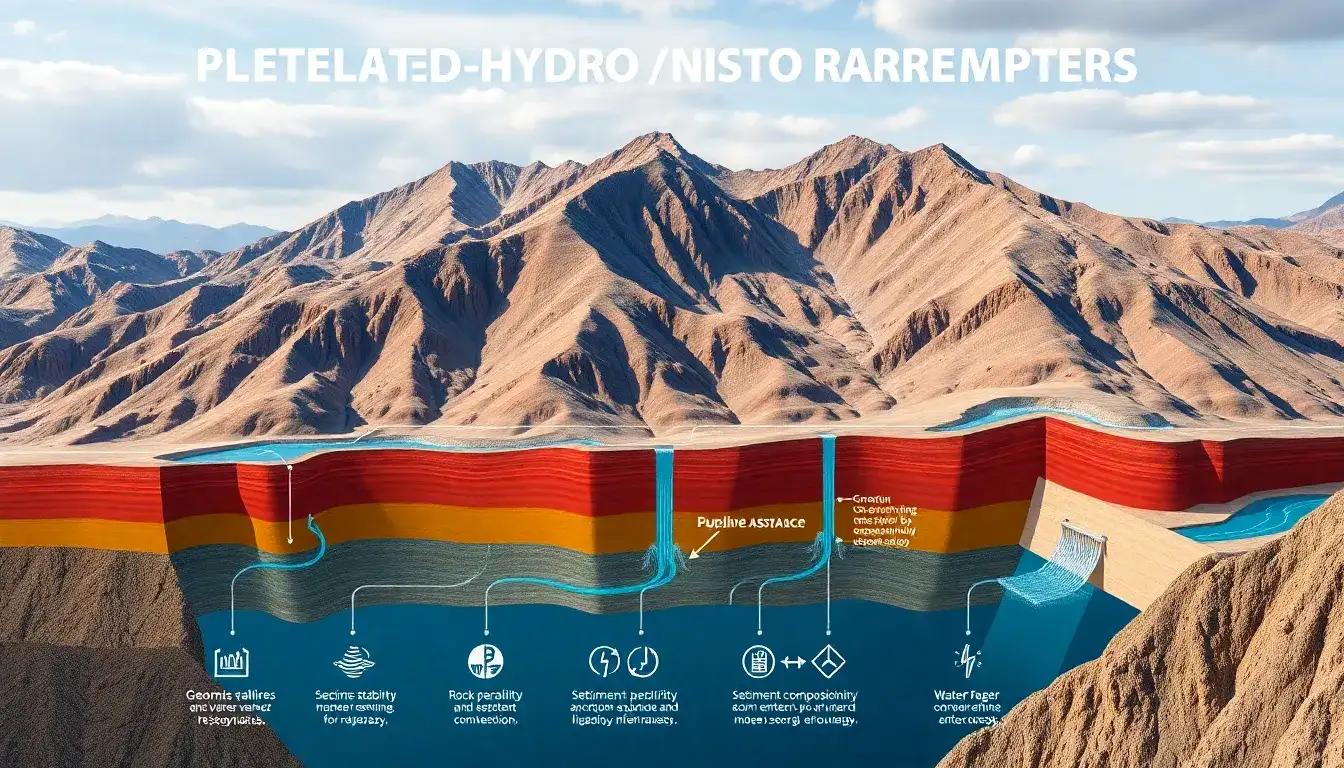
Geology plays a significant role in the cost of pumped hydro storage (PHS) projects by affecting several key aspects of construction and operation. Here are some ways geology impacts these costs:
Impact of Geology on Costs
- Site Selection and Excavation:
- Geological Risks: The geology of a site can either facilitate or hinder the construction process. For instance, sites with unstable or challenging geologies (like karst or faulted areas) may require specialized excavation techniques, increasing costs and construction time.
- Underground Powerhouse Construction: Conventional PSH systems often require the excavation of large underground caverns for powerhouses, which can be expensive and prone to geological surprises like unexpected rock formations or groundwater issues. Novel designs like Obermeyer’s, which utilize vertical shafts instead of large caverns, can reduce these geological risks and costs.
- Tunneling and Water Conveyance:
- Geological Conditions: Difficult geological conditions can complicate tunnel construction, affecting both cost and project timeline. For example, areas with hard rock or unstable soil may require more robust, costly drilling techniques.
- Tunnel Length and Penstock Costs: The geology can influence the length and design of tunnels and penstocks, with challenging terrains often necessitating longer or more complex structures, which increase costs.
- Reservoir Construction:
- Foundation and Stability: The geology of the reservoir area affects the stability and construction costs of dams and spillways. Unstable geologies may require additional foundation work or specialized designs to ensure reservoir integrity.
- Environmental and Social Factors:
- Environmental Impacts: Geological assessments also inform the environmental impact of PHS projects. For example, certain geological formations can influence water quality or affect aquatic ecosystems, impacting project feasibility and costs associated with mitigation measures.
Mitigating Geological Costs
To mitigate geological costs, novel approaches focus on reducing the complexity and volume of underground excavations. Technologies like Obermeyer’s, which minimize the need for large powerhouses, can significantly lower capital costs and geologic risks. Additionally, advancements in drilling techniques and design optimization help streamline construction processes while reducing costs associated with geological uncertainties.
Original article by NenPower, If reposted, please credit the source: https://nenpower.com/blog/what-role-does-geology-play-in-the-cost-of-pumped-hydro-storage-projects/

