

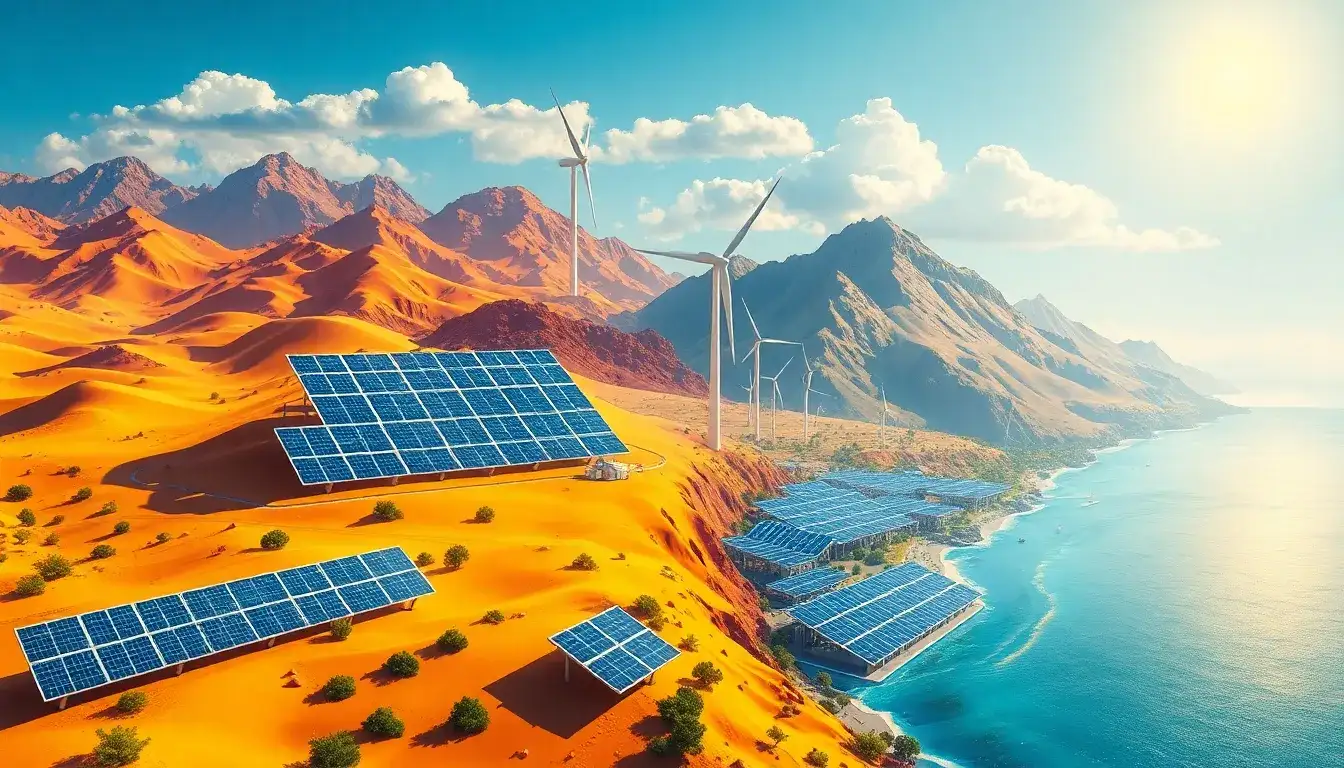
Geographical location plays a crucial role in the efficiency of solar power plants due to several factors that affect how much sunlight a place receives and how effectively solar panels can convert it into electricity.
Factors Influencing Efficiency
Sunlight and Irradiance
- Location Near the Equator: Areas closer to the equator generally receive more sunlight throughout the year, making them ideal for solar energy production.
- Cloud Cover: Places with less cloud cover have higher potential for solar energy production because clear skies allow more direct sunlight to reach solar panels.
- Latitude: Higher latitudes typically receive less sunlight, especially during winter months, which reduces their solar energy efficiency compared to lower latitudes.
Temperature and Weather Conditions
- Temperature: Solar panels are more efficient in cooler temperatures. Excessive heat can decrease their efficiency, making regions with mild temperatures more suitable.
- Precipitation and Shading: Weather conditions such as heavy snow or fog can reduce efficiency by covering panels or blocking sunlight. Additionally, shading from trees or buildings can significantly decrease production.
Terrain and Topography
- Flat Land: Flat terrain is preferred for solar farms as it minimizes shading and allows easier panel installation.
- Obstructions: Areas with fewer obstructions like trees or hills are preferred to maximize direct sunlight exposure.
Land Quality and Accessibility
- Accessibility to Infrastructure: Sites should be accessible to grid infrastructure to facilitate electricity distribution.
- Land Reuse: Solar panels can be installed on land not suitable for other uses, like brownfield sites.
By considering these geographical factors, solar power plants can be optimized for maximum efficiency and output.
Example Locations
- Atacama Desert, Chile: Known for its high solar irradiance and minimal cloud cover, making it an ideal location for solar power.
- Arizona and California, USA: Both states offer favorable conditions due to abundant sunlight and large areas with minimal obstructions.
- Texas and North Carolina, USA: Texas offers ample sunlight, while North Carolina has supportive renewable energy policies that encourage solar installations.
Original article by NenPower, If reposted, please credit the source: https://nenpower.com/blog/what-role-does-geographical-location-play-in-the-efficiency-of-solar-power-plants/

