

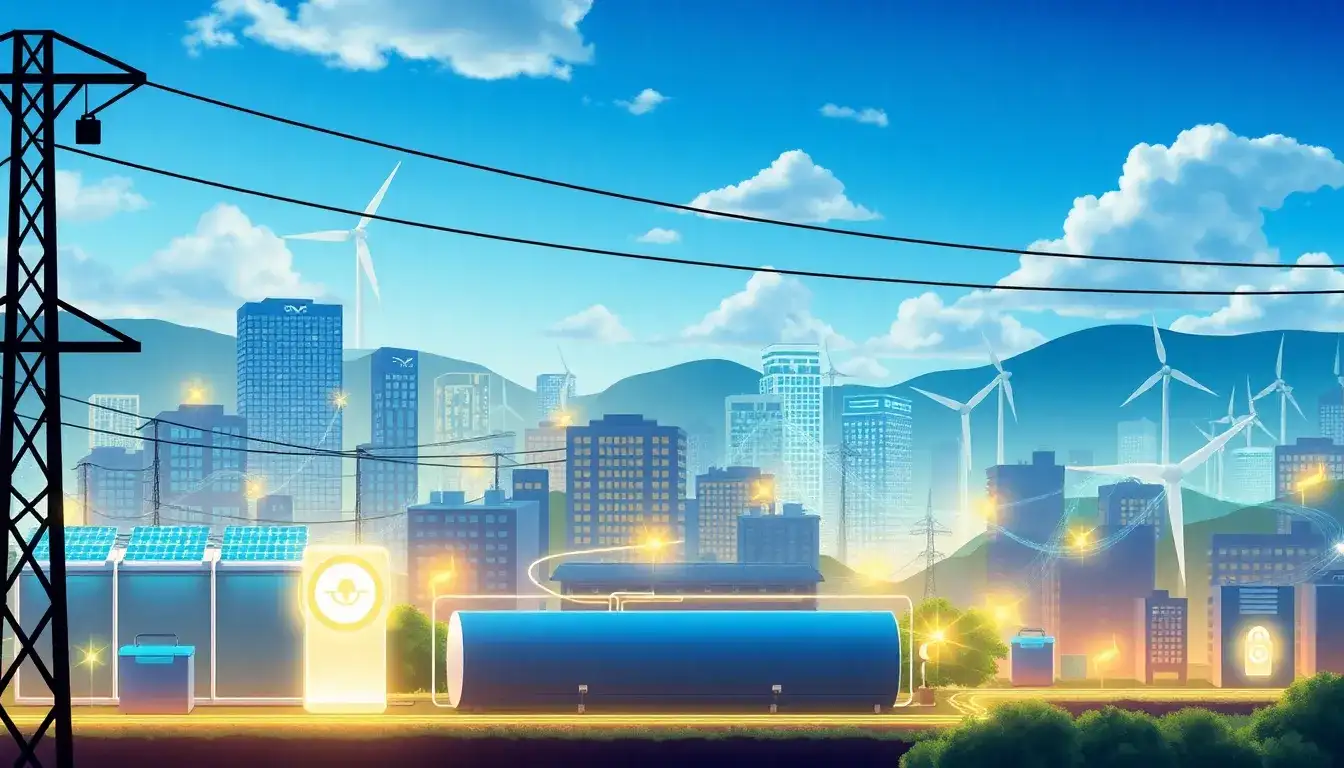
Role of Energy Storage in Peak Demand Reduction
- Shifting Load and Reducing Grid Reliance:
- Energy storage systems store excess energy during off-peak hours when electricity prices are typically lower.
- This stored energy is then used during peak demand periods, reducing the need to draw power directly from the grid. This not only lowers energy bills but also decreases strain on the grid.
- Peak Shaving and Management:
- Peak Shaving: Consumers use stored energy to minimize electricity consumption during peak demand periods, thereby reducing peak demand charges and optimizing energy usage.
- Peak Shifting: Energy storage allows for the transfer of load from peak hours to off-peak hours, enhancing grid stability and reducing the risk of power outages.
- Supporting Renewable Energy Integration:
- Excess energy from renewable sources like solar or wind can be stored during periods of low demand, ensuring a more reliable supply during peak hours. This integration promotes the use of renewable energy sources, reducing reliance on fossil fuels.
- Grid-Level Energy Storage:
- Large-scale energy storage helps utilities stabilize the grid by releasing stored energy during peak demand periods, improving grid stability and preventing blackouts.
- Cost Savings and Sustainability:
- By reducing peak demand, consumers can avoid higher energy costs associated with peak hours. Additionally, energy storage supports sustainability goals by promoting the efficient use of renewable energy sources.
Industries Benefiting from Energy Storage for Peak Demand Management
- Manufacturing Facilities: Reduce peak demand charges by storing excess energy during low-demand periods.
- Commercial Buildings: Lower electricity costs and minimize grid reliance.
- Data Centers: Efficiently manage electricity costs and reduce grid dependency during peak hours.
- Agricultural Operations: Optimize energy usage by leveraging renewable sources.
- Healthcare Facilities: Ensure uninterrupted power supply and support cost-effective energy management.
Challenges and Future Prospects
While energy storage offers numerous benefits, high initial costs and technological limitations remain challenges. However, technological advancements and increasing integration of renewable energy resources are expected to enhance the efficiency and affordability of energy storage systems, making them even more critical for future grid management.
Original article by NenPower, If reposted, please credit the source: https://nenpower.com/blog/what-role-does-energy-storage-play-in-reducing-peak-demand-on-the-grid/

