

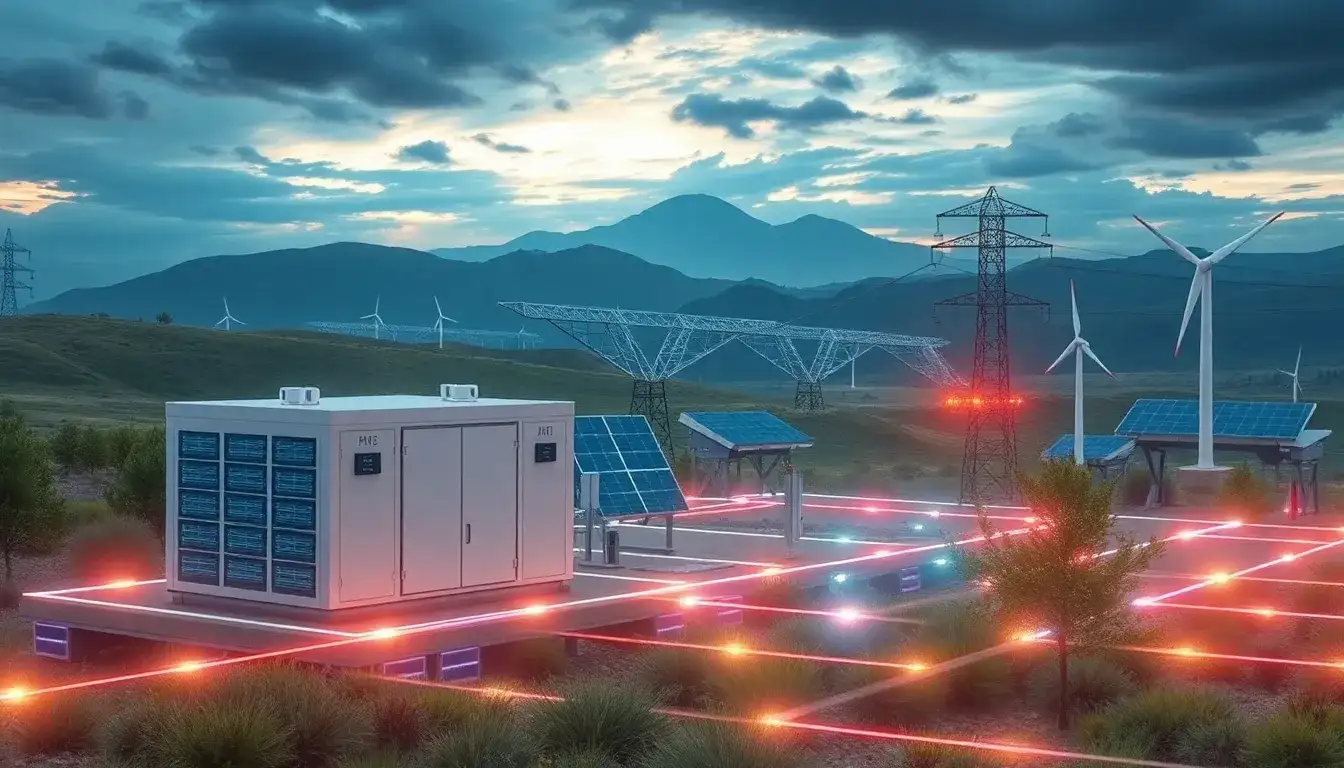
Energy Storage and Extreme Weather Events
Energy storage plays a vital role in mitigating the impact of extreme weather events on the grid, particularly as renewable energy sources become more prevalent in the energy mix. Here’s how it can help:
Role of Energy Storage
- Managing Supply and Demand Variability: Extreme weather events can disrupt both energy supply and demand. For instance, heatwaves can increase cooling demand just as solar generation is maximized, while cold snaps may reduce wind energy output as heating demand surges. Energy storage systems can store excess energy generated during favorable weather conditions (e.g., high solar or wind output) to be used during periods of low generation or high demand, thereby maintaining grid stability.
- Enhancing Grid Resilience: By providing a buffer against power outages, energy storage systems help ensure continuous electricity supply during natural disasters. This is particularly important when extreme weather causes damage to power infrastructure or disrupts traditional power generation.
- Supporting Renewable Integration: As the grid becomes increasingly reliant on variable renewable sources, energy storage helps manage the intermittency of these power sources. During prolonged cloudy periods or low wind spells, energy storage systems ensure that there is enough power available to meet demand.
- Load Shifting and Peak Demand Reduction: Energy storage can charge during off-peak hours (or when renewable energy is abundant) and discharge during peak demand times (e.g., afternoon heatwave peaks), thereby reducing strain on the grid and lowering peak loads.
Strategies for Effective Use of Energy Storage
- Diversification: Using a mix of battery technologies and other forms of energy storage (e.g., pumped hydro storage, compressed air) can ensure diverse capabilities in responding to different extreme conditions.
- Capacity Building: Investing in sufficient storage capacity to meet demand during prolonged weather events or periods of low renewable output is crucial.
- Advanced Forecasting and Management: Leveraging predictive analytics and smart grid technologies to anticipate potential impacts of extreme weather events on energy generation and demand can optimize the use of energy storage systems.
In summary, energy storage is a key component in building resilience against extreme weather events by providing flexibility, buffering variability, and ensuring reliable power delivery in the modern energy grid.
Original article by NenPower, If reposted, please credit the source: https://nenpower.com/blog/what-role-does-energy-storage-play-in-mitigating-the-impact-of-extreme-weather-events-on-the-grid/

