

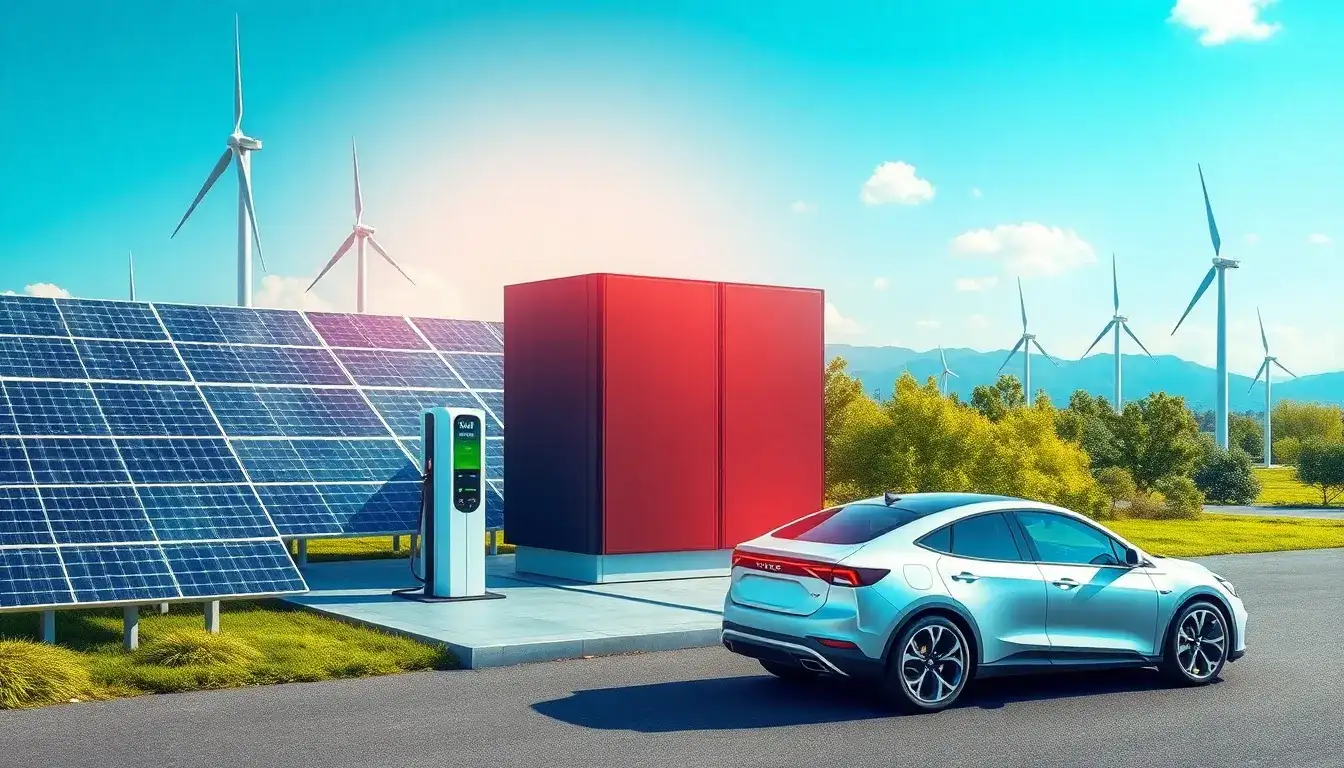
Energy storage plays a critical role in integrating renewable energy with electric vehicle (EV) charging by addressing the inherent variability and intermittency of renewable sources such as solar and wind. Here are the key roles energy storage plays in this integration:
1. Smoothing Power Supply and Demand Matching
Renewable energy generation is variable—solar produces energy during the day, and wind can fluctuate unpredictably—while EV charging demand can also vary throughout the day. Energy storage systems (ESS), especially battery storage, absorb excess renewable energy when generation exceeds demand and discharge it when demand is high or renewable output is low. This smoothing capability helps provide a steady, reliable power supply for EV charging infrastructure.
2. Maximizing Renewable Energy Utilization
Energy storage prevents curtailment of renewable energy, which occurs when excess generation cannot be used or transmitted. By storing surplus renewable electricity during peak production periods (e.g., midday solar), storage systems make that energy available later, enhancing the effective use of renewables in EV charging. This reduces energy waste and enables higher penetration of renewables in the electricity mix that powers EVs.
3. Enhancing Grid Flexibility and Efficiency
Energy storage adds flexibility to the grid by allowing EV charging to align better with renewable generation patterns. This reduces peak grid stress and improves overall grid efficiency. Storage systems can shift charging loads to times when renewable energy is abundant, lowering emissions and potentially reducing electricity costs for EV owners.
4. Supporting Broader Energy System Integration
Advanced energy storage technologies enable coupling renewable electricity with other storable energy forms, such as hydrogen via electrolysis. This broader integration supports multiple energy domains and applications, including EV charging, by offering diverse storage pathways beyond batteries alone.
In summary, energy storage enables a more consistent, efficient, and higher share of renewable energy use in EV charging by balancing supply and demand, reducing renewable energy curtailment, improving grid operations, and supporting innovative energy conversion and storage solutions. This integration is fundamental to scaling clean transportation while maximizing renewable energy benefits.
Original article by NenPower, If reposted, please credit the source: https://nenpower.com/blog/what-role-does-energy-storage-play-in-integrating-renewable-energy-with-ev-charging/

