

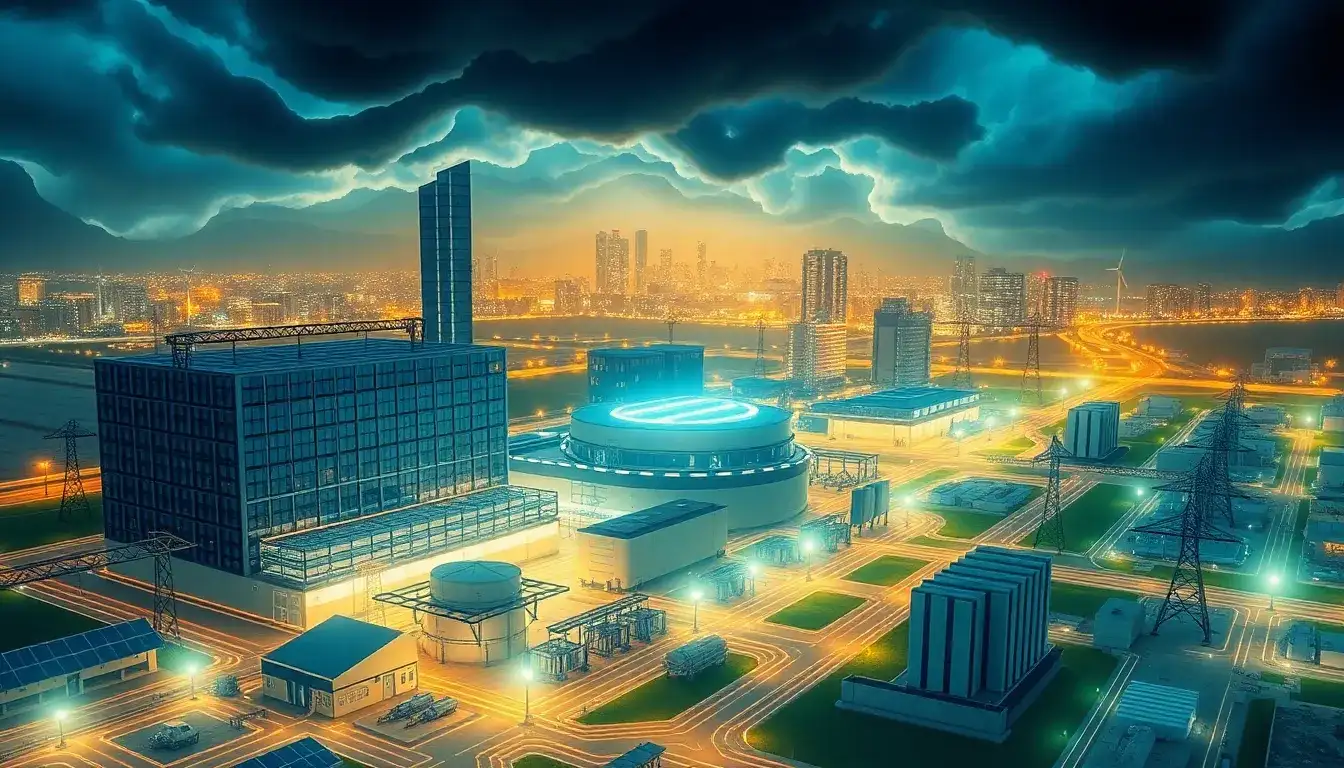
Energy storage plays a critical role in enhancing grid resilience by providing several key functions that help stabilize and maintain the power system, particularly during disruptions or high demand periods. Here’s how energy storage improves grid resilience:
Key Functions of Energy Storage in Grid Resilience
- Peak Capacity Management: Energy storage systems, such as batteries, can store excess energy during low-demand periods and release it during peak times, effectively “time-shifting” electricity and reducing the strain on the grid during extreme weather events or high usage.
- Voltage Support: By providing reactive power, energy storage helps maintain stable voltage levels, which is crucial for equipment operation and preventing damage. This capability is particularly valuable in areas with high renewable energy penetration.
- Black Start Capability: Energy storage is essential for restarting parts of the grid after a widespread outage. It supplies the initial power needed to restart generators and critical grid infrastructure, enhancing recovery time and resilience.
- Backup Power for Critical Infrastructure: Energy storage systems, often integrated into microgrids, provide backup power to critical facilities like hospitals and data centers during grid outages, ensuring continuous operations.
- Cybersecurity Enhancement: Modern energy storage systems integrate secure network architectures and monitoring systems to help detect and mitigate cyber threats, contributing to the overall security of the grid.
- Smart Grid Integration: By integrating with smart grid technologies, energy storage can optimize energy supply and demand, ensuring an uninterrupted supply of energy during times of high usage.
Technologies Involved
Different types of energy storage technologies contribute to grid resilience, including:
- Lithium-Ion Batteries: Suitable for utility-scale applications, microgrids, and equipment backup.
- Pumped Hydro Storage: High-capacity, long-duration energy storage ideal for grid balancing.
- Flow Batteries: Useful for grid balancing and firming renewable generation, though still in early deployment phases.
Conclusion
Energy storage is a vital component in enhancing grid resilience by addressing peak demand, maintaining grid stability, providing backup power, and improving cybersecurity. Its integration with smart grids and microgrids further strengthens its role in supporting a reliable and sustainable energy future.
Original article by NenPower, If reposted, please credit the source: https://nenpower.com/blog/what-role-does-energy-storage-play-in-improving-grid-resilience/

