

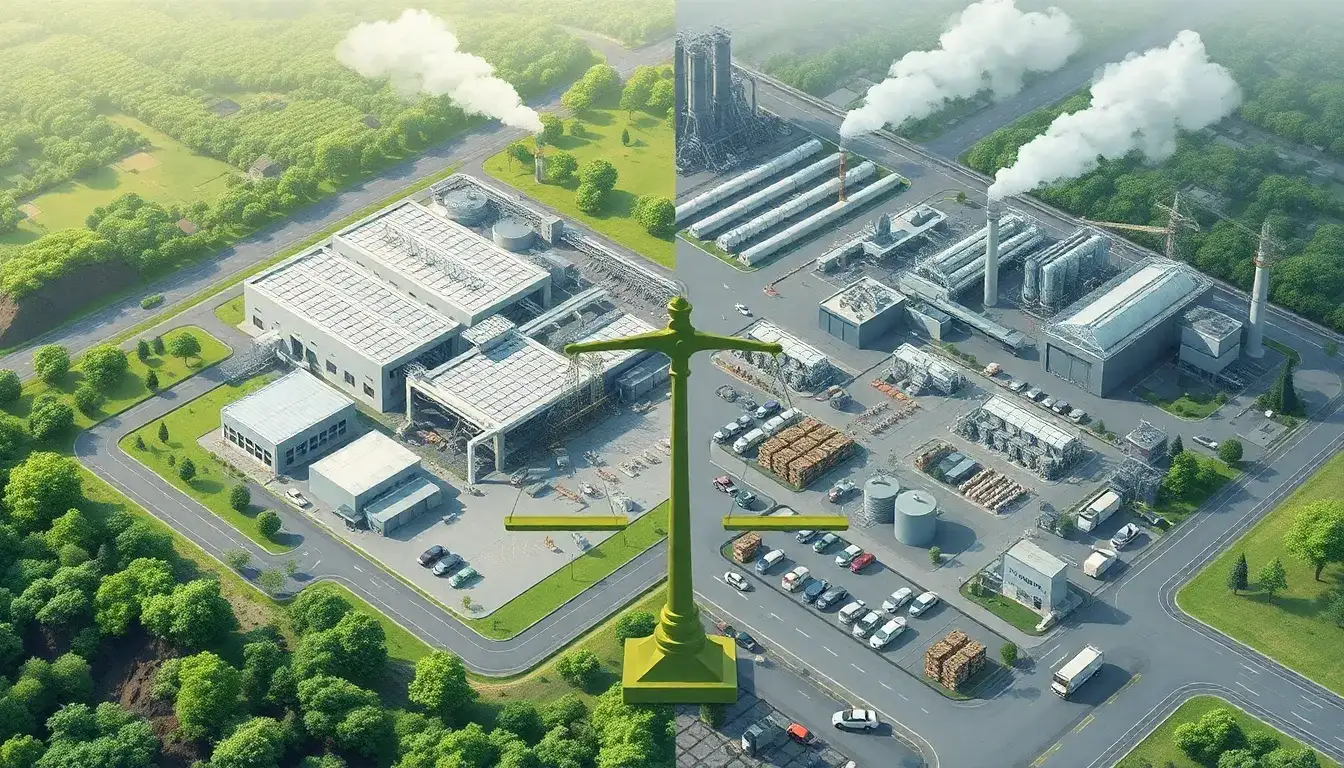
Role of Battery Manufacturing in EV Carbon Footprint
- Carbon Emissions from Production:
- Studies indicate that up to 46% of the total carbon emissions associated with EVs come from the production process, with a substantial portion of this attributed to battery manufacturing.
- The production of an average EV battery can emit up to 100 kilograms of CO2 equivalent per kilowatt-hour (CO2e/kWh).
- Materials and Energy Used:
- EV batteries require materials like lithium, cobalt, nickel, manganese, and graphite. The mining and refining of these materials contribute significantly to greenhouse gas emissions.
- The production process involves high-energy-intensive operations, contributing to higher emissions.
- Energy Source Impact:
- The carbon footprint of battery production is heavily influenced by the energy source used, with renewable energy sources resulting in lower emissions compared to fossil fuels.
- Comparison to ICE Vehicles:
- While EVs have a lower operational carbon footprint compared to internal combustion engine (ICE) vehicles, their production footprint is larger, mainly due to battery manufacturing.
In summary, battery manufacturing is a critical component of the overall carbon footprint of EVs, primarily due to the energy-intensive production process and the materials required. However, as the energy mix shifts towards renewable sources, the carbon impact of EV battery production is likely to decrease.
Original article by NenPower, If reposted, please credit the source: https://nenpower.com/blog/what-role-does-battery-manufacturing-play-in-the-carbon-footprint-of-evs/

