

Key Roles of AI in Solid-State Battery Production
1. Accelerating Materials Discovery and Design
AI drastically shortens the traditionally long timelines for discovering and optimizing battery materials. For example, AI enabled researchers to identify a promising new solid-state electrolyte in just 80 hours, a process that used to take years through conventional experimentation. By analyzing vast datasets and running simulations, AI can pinpoint materials with improved ion conductivity—critical for SSB performance—resulting in breakthroughs such as a 50% increase in ion conductivity, making solid-state batteries more commercially viable.
2. Advanced Battery Modeling and Simulation
AI-enhanced modeling reduces design and testing simulation times from weeks to mere hours. This speedup allows engineers to virtually test hundreds of design variations rapidly, accelerating innovation cycles and reducing the need for costly physical prototypes. AI-powered virtual development also enables assessment of different chemistries’ effects on performance, safety, and aging without expensive physical trials, speeding design phases by 2-3 times.
3. Optimization of Interface Reactions and Battery Synthesis
The interface stability, especially between lithium metal anodes and electrolytes, is a key bottleneck in solid-state battery performance and safety. AI helps predict complex interface reaction pathways by combining molecular dynamics simulations with experimental data, guiding the design of more stable electrolytes and battery components. This leads to safer, longer-lasting batteries.
4. Enhancing Manufacturing Precision and Scalability
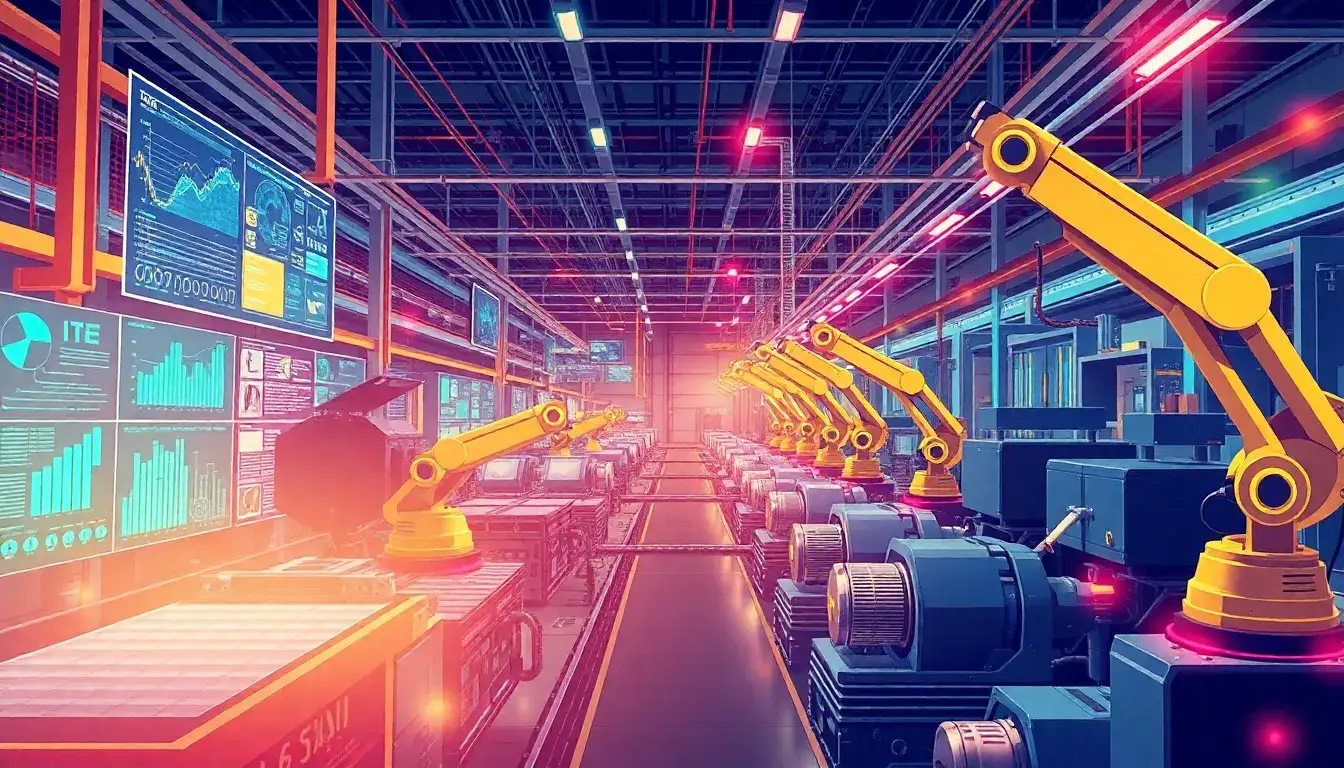
In manufacturing, AI-powered automation—including computer vision, machine learning, and big data analytics—improves precision in material handling and production processes. Robotics equipped with advanced sensors ensure optimal thickness, uniformity, and minimal material waste. Automated systems operating in controlled environments help maintain high purity and reduce contamination risks, thereby improving quality and yield.
5. Quality Control and Predictive Maintenance
AI transforms quality control by enabling faster, more accurate visual inspections that catch subtle defects beyond human detection. It also supports predictive maintenance by analyzing data on battery performance and aging, helping identify deviations early and ensuring safety and compliance throughout the battery’s lifecycle.
6. Supply Chain and Lifecycle Optimization
Looking forward, AI is expected to become integral in the entire battery supply chain and lifecycle management, driving efficiencies and sustainability improvements by 2035.
In summary, AI optimizes solid-state battery production by accelerating materials discovery, enhancing design simulations, improving interface stability predictions, automating precise manufacturing, and enabling advanced quality control and lifecycle management. These contributions collectively shorten development times, reduce costs, improve performance, and advance the commercialization of solid-state batteries.
Original article by NenPower, If reposted, please credit the source: https://nenpower.com/blog/what-role-does-ai-play-in-optimizing-the-production-process-of-solid-state-batteries/

