

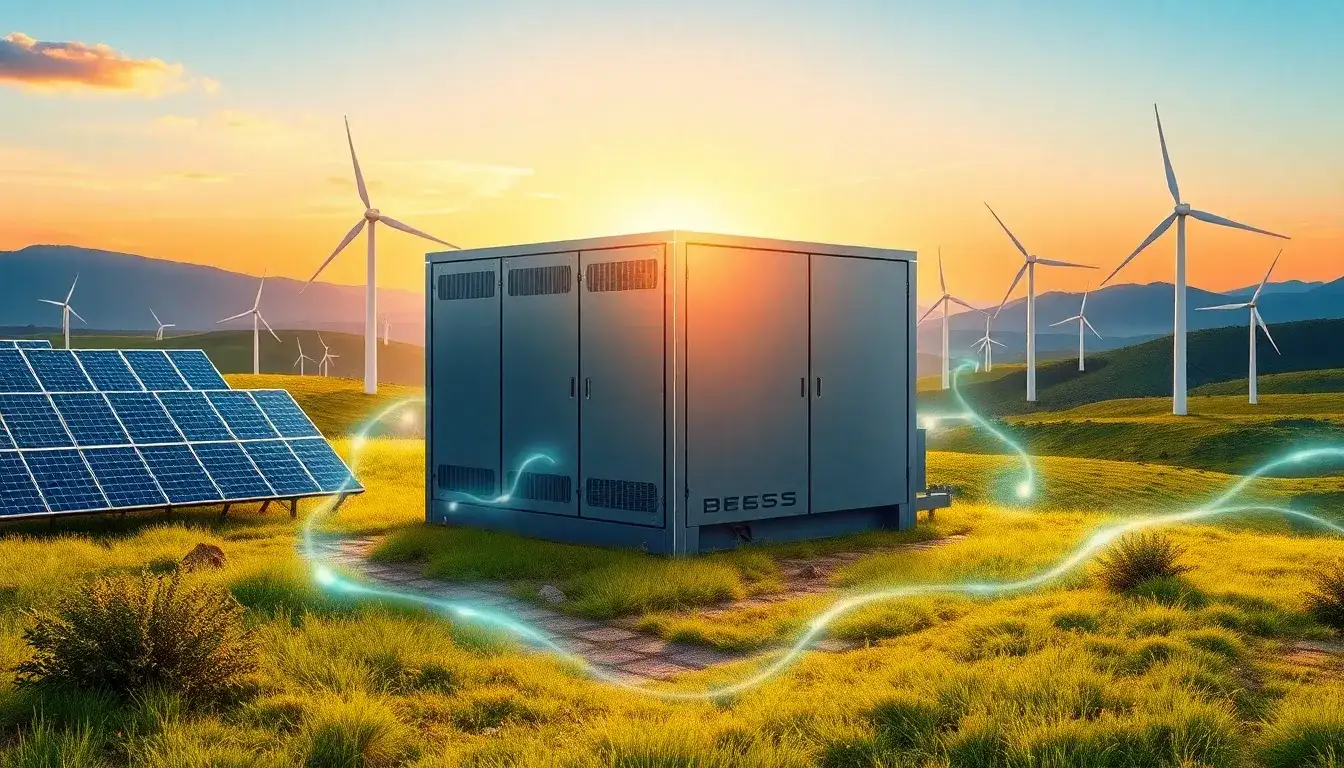
Key Roles of AES’s BESS in Renewable Energy Integration
- Grid Stabilization: By providing a buffer, BESS helps maintain grid stability, which is essential when integrating intermittent renewable energy sources like solar and wind. This ensures that power is available consistently and reliably.
- Flexibility and Efficiency: AES’s batteries enable the grid to operate more efficiently by absorbing excess energy when renewables are at peak production and releasing it during times of high demand. This flexibility allows existing generation sources to run more smoothly, enhancing overall grid performance.
- Peak Capacity Replacement: Historically, AES’s Alamitos BESS has demonstrated the capability to replace traditional peaker plants, such as those powered by natural gas, thereby reducing greenhouse gas emissions and supporting a cleaner energy mix.
- Enhanced Renewable Penetration: By storing energy generated by renewables during off-peak times, BESS systems increase the capacity factor of renewable sources, enabling a higher level of penetration into the grid without sacrificing reliability.
- Cost Reduction and Innovation: AES continues to invest in battery storage technologies, which helps reduce overall system costs. Additionally, innovations like DC-coupled solar-plus-storage architectures enhance the efficiency and cost-effectiveness of renewable integration projects.
In summary, AES’s BESS acts as a bridge between renewable energy sources and a reliable, resilient grid, facilitating a cleaner and more efficient energy ecosystem.
Original article by NenPower, If reposted, please credit the source: https://nenpower.com/blog/what-role-does-aess-battery-energy-storage-system-bess-play-in-supporting-renewable-energy-integration/

