

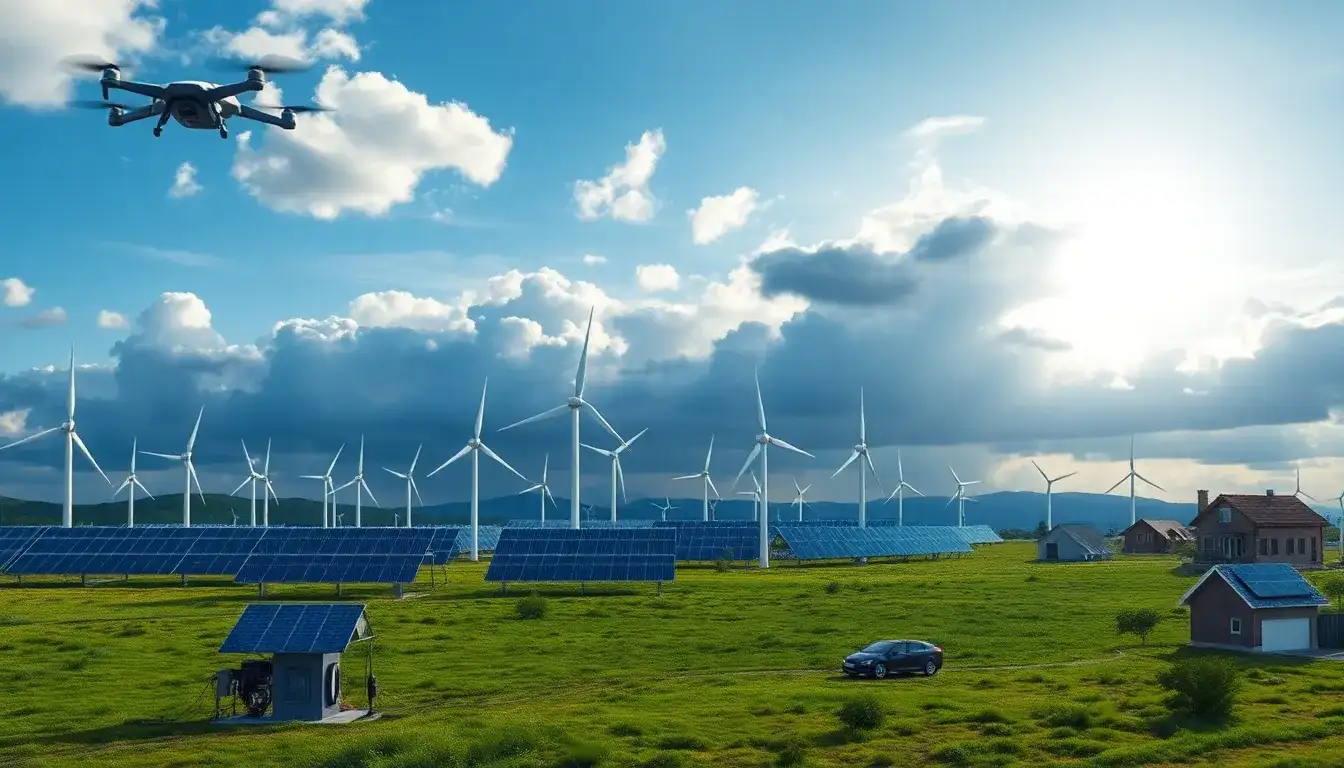
Weather forecasts play a critical role in managing renewable energy integration into the grid by providing essential information for grid operators, renewable energy generators, and energy traders. Here is how weather forecasts contribute:
Role of Weather Forecasts in Renewable Energy Integration
Grid Management and Operations
- Anticipating Renewable Output Changes: Weather forecasts help grid operators anticipate fluctuations in renewable energy output (e.g., wind and solar) and adjust grid operations accordingly. This includes predicting sudden drops or increases in renewable generation to ensure grid balance.
- Real-time Adjustments: Forecasting allows operators to make real-time adjustments in generation from conventional sources or activate demand response programs to balance the grid.
Maintenance Scheduling
- Planning Maintenance: Medium to long-term forecasts enable utilities to schedule maintenance during periods of low renewable generation, ensuring that activities do not coincide with high demand periods.
Energy Trading and Market Optimization
- Market Bidding: Accurate weather forecasts allow renewable generators to better participate in intraday or day-ahead markets by optimizing their bids based on anticipated generation levels.
- Risk Management: Energy traders can predict supply-demand fluctuations and manage risks more effectively, optimizing profitability by anticipating periods of high or low renewable output.
Grid Stability and Reliability
- Predicting Extreme Events: Forecasts of extreme weather events (e.g., storms or heatwaves) help operators to prepare reserve power and maintain grid stability during disruptions.
- Balancing Supply and Demand: Weather forecasts assist in reducing transmission congestion and ensuring grid stability by predicting potential mismatches between renewable supply and electricity demand.
Technological Innovations
- AI and Machine Learning: Advanced forecasting tools leveraging AI and machine learning improve the accuracy and granularity of forecasts, enhancing decision-making for grid operators.
- High-Resolution Models: These models provide detailed forecasts, enabling better management of localized weather phenomena that impact renewable energy generation.
In summary, weather forecasts are indispensable for optimizing renewable energy integration, ensuring grid stability, and supporting the transition towards a more sustainable energy future.
Original article by NenPower, If reposted, please credit the source: https://nenpower.com/blog/what-role-do-weather-forecasts-play-in-managing-renewable-energy-integration/

