

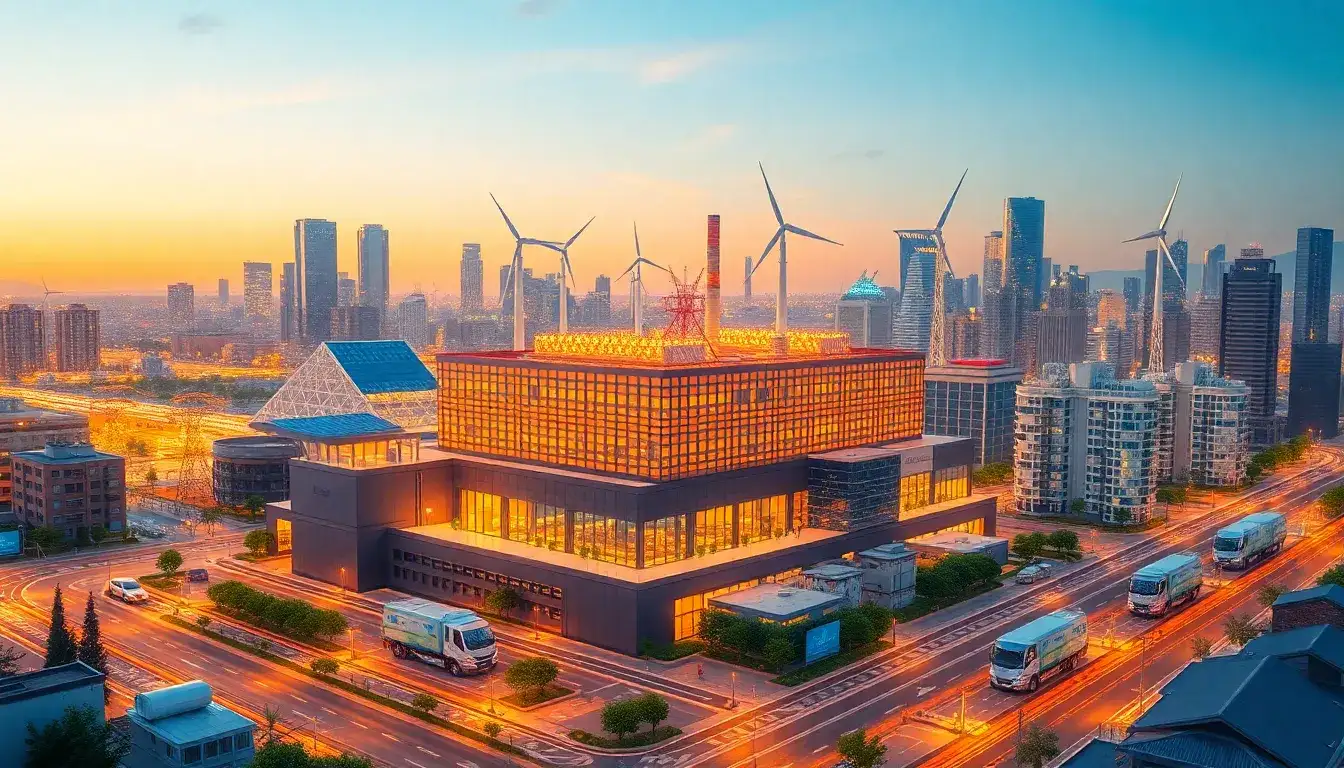
Role of Virtual Power Plants in Modern Demand Response Strategies
Virtual power plants (VPPs) and demand response (DR) programs are crucial components of modern strategies to optimize energy use and enhance grid stability. While they serve different functions, they complement each other in several ways.
Virtual Power Plants
Definition and Functionality:
A VPP integrates multiple distributed energy resources (DERs) like solar panels, wind turbines, and battery storage systems. These are managed through advanced software to act as a single power plant, supplying or absorbing energy to stabilize the grid during peak times.
Benefits:
- Flexibility and Scalability: VPPs adapt quickly to changes in energy demand without needing extensive infrastructure, making them highly flexible and scalable.
- Grid Support: They can inject power into the grid or absorb excess energy, acting as buffers that enhance grid resilience.
- Revenue Generation: Participants can earn revenue by trading surplus energy or flexibility in energy markets.
Demand Response Programs
Definition and Functionality:
Demand response involves utility companies communicating with consumers to reduce or shift electricity usage during peak periods, helping balance the grid and prevent overloads.
Benefits:
- Consumer Incentives: Participants often receive reduced utility bills or other incentives for curtailing energy use during peak times.
- Grid Management: DR programs manage consumer loads, reducing the need for additional power plants and easing grid stress during peak times.
Intersection with Virtual Power Plants
Integration and Synergy:
- Dual Participation: Businesses can participate in VPPs on both the supply and demand sides, generating energy or reducing consumption.
- Revenue Streams: Demand response programs offer additional revenue streams for VPP participants by compensating them for peak load reductions.
- Enhanced Grid Stability: By aggregating demand response capabilities within VPPs, utilities can predict and manage energy supplies more effectively, reducing forecasting risks and enhancing overall grid stability.
Modern Strategies:
- Technological Advancements: The use of advanced software and communication technologies allows for efficient management of both VPPs and demand response programs.
- Economic Benefits: VPPs provide cost-effective solutions compared to traditional power plants, offering direct financial benefits to participants.
- Sustainability: By leveraging renewable sources and optimizing energy use, VPPs contribute to a more sustainable energy landscape, aligning with broader goals of reducing greenhouse gas emissions.
In summary, virtual power plants play a significant role in modern demand response strategies by offering a flexible and scalable approach to energy management. They integrate with demand response programs to enhance grid stability, provide economic benefits, and promote sustainable energy practices.
Original article by NenPower, If reposted, please credit the source: https://nenpower.com/blog/what-role-do-virtual-power-plants-play-in-modern-demand-response-strategies/

