

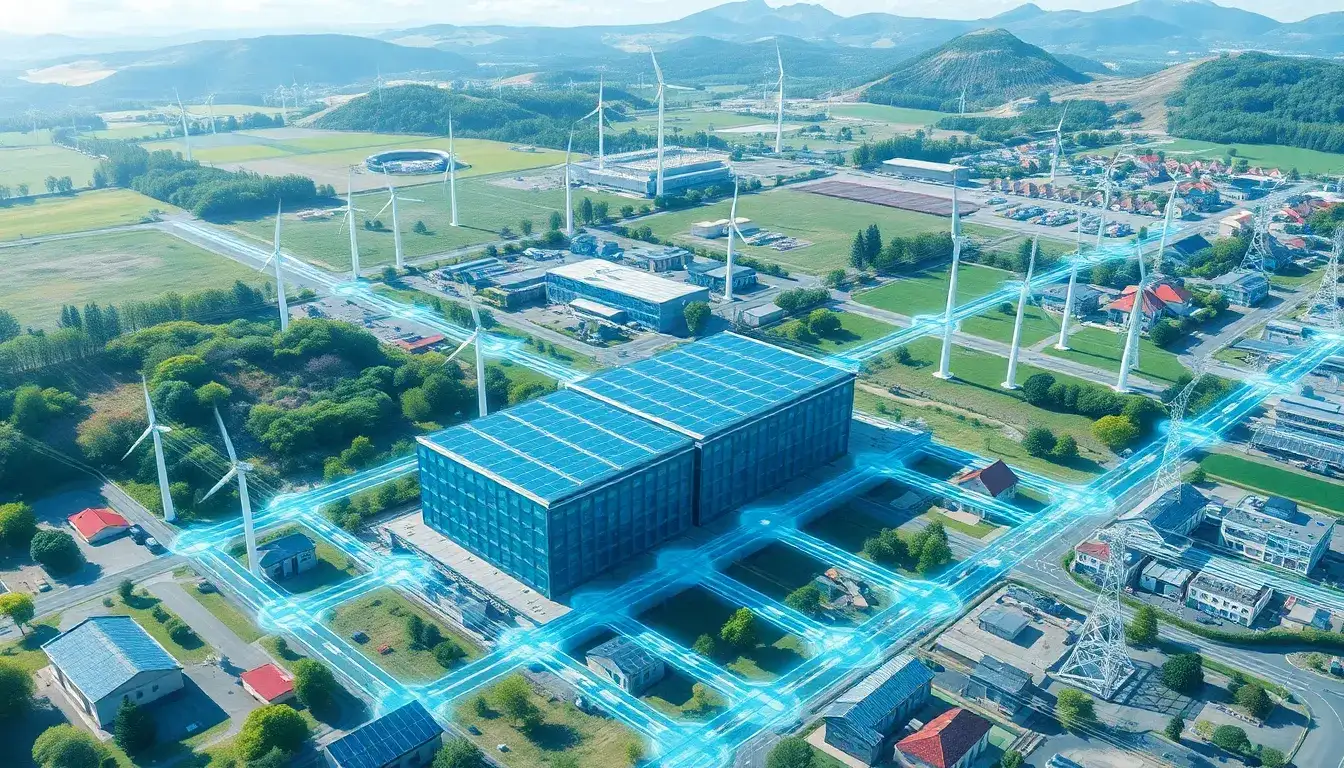
Utility-scale battery storage systems play a pivotal role in enabling greater penetration of variable renewable energy (VRE) into the grid by addressing several key challenges associated with intermittent energy sources like solar and wind. Here are some of the ways utility-scale batteries facilitate this integration:
- Energy Storage and Smoothing: These batteries can store excess energy generated by renewable sources during periods of high production and release it during periods of low production, smoothing out the energy output and ensuring more consistent supply. This process is known as capacity firming.
- Grid Services: Utility-scale batteries provide critical grid services such as:
- Frequency Response: Helping to maintain grid stability by adjusting power output to match changes in grid frequency.
- Regulation Reserves: Adjusting power output to maintain a balance between demand and supply.
- Ramp Rate Control: Managing how quickly power is added or removed from the grid.
- Investment Deferral: By providing these services, utility-scale batteries can defer investments in new peak generation capacity and grid infrastructure upgrades. They can relieve transmission and distribution congestion, reducing the need for costly grid reinforcements.
- Reliability and Cost Reduction: In isolated grids or off-grid communities, utility-scale batteries combined with renewable energy sources can provide reliable and less expensive electricity, reducing reliance on expensive imported fuels like diesel.
Overall, utility-scale batteries are essential for integrating higher shares of variable renewable energy into the grid while ensuring grid stability and reliability.
Original article by NenPower, If reposted, please credit the source: https://nenpower.com/blog/what-role-do-utility-scale-batteries-play-in-enabling-greater-penetration-of-variable-renewable-energy-into-the-grid/

