

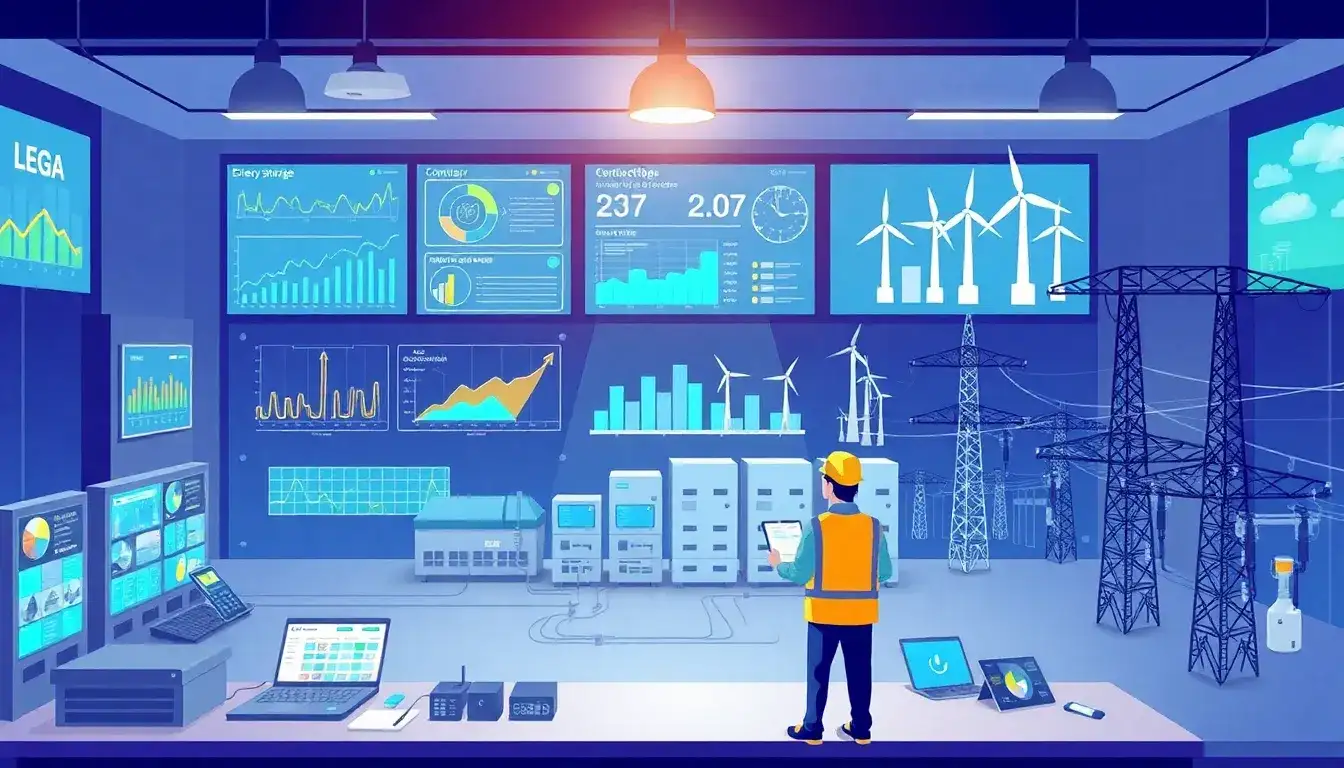
Utilities play a crucial role in streamlining energy storage interconnection through several key actions:
Roles of Utilities in Streamlining Energy Storage Interconnection
1. Data Sharing
Utilities should share data from failed interconnection screens with customers, allowing them to make necessary design changes to ensure successful integration.
2. Updating Interconnection Procedures
Utilities must update their interconnection documents and agreements to clearly define energy storage systems, operating schedules, and use of power control systems (PCS). This includes setting clear export capacities based on the DER’s nameplate rating.
3. Standardizing Export Controls
Utilities should help standardize safe and reliable export control methods for energy storage systems. This includes recognizing PCS as eligible export controls and adhering to limits set by these systems.
4. Accurate Grid Impact Assessments
Utilities need to accurately assess the grid impacts of non- and limited-export energy storage systems to avoid overestimations that could unnecessarily limit capacity.
5. Collaboration and Regulatory Compliance
Utilities must collaborate with regulators to implement new standards and policies that support energy storage interconnection. This includes adapting to evolving technologies and ensuring compliance with updated regulations.
6. Providing Interconnection Services
Utilities are obligated to provide interconnection services to consumers upon request, supporting the integration of energy storage systems into the grid.
Overall, utilities are key stakeholders in aligning interconnection processes with the needs of energy storage technologies, ensuring a more streamlined and efficient integration into the grid.
Original article by NenPower, If reposted, please credit the source: https://nenpower.com/blog/what-role-do-utilities-play-in-streamlining-energy-storage-interconnection/

