

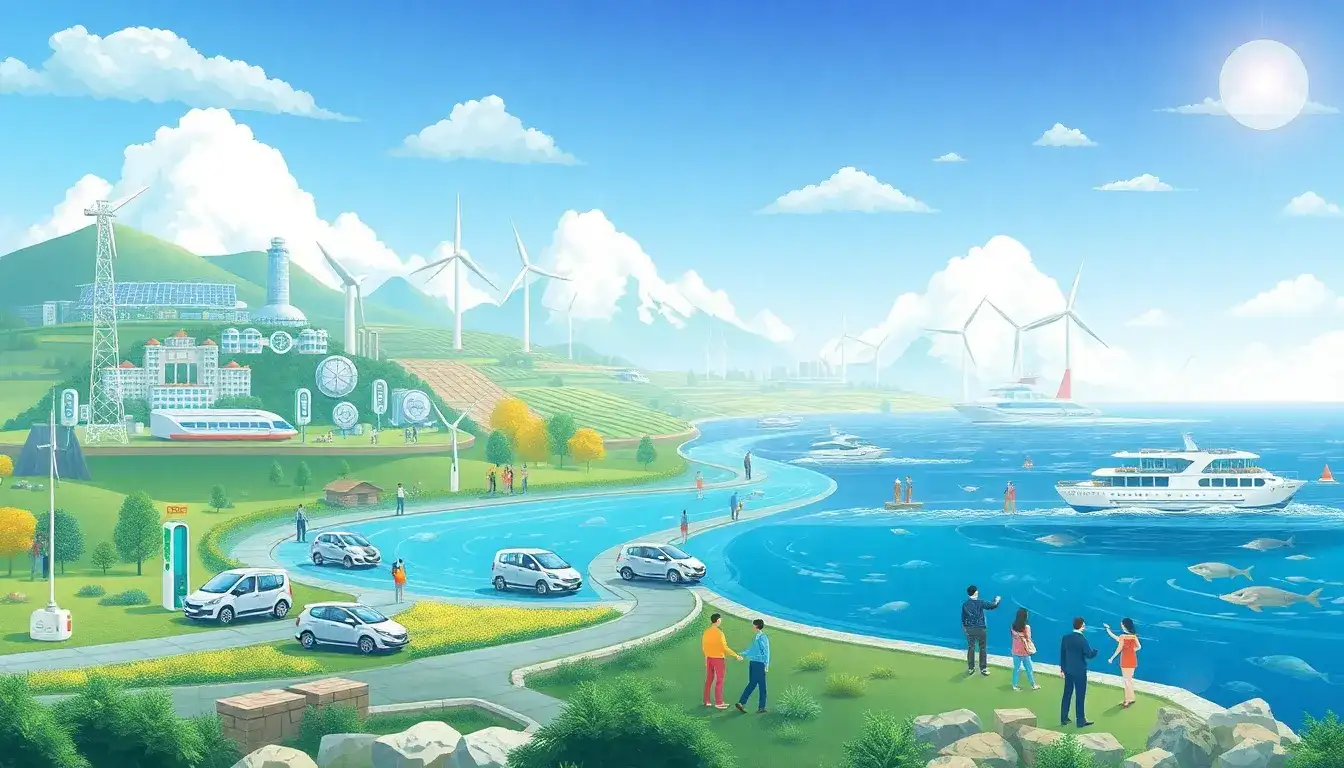
Subsidy policies play a significant but complex role in the environmental benefits of electric vehicles (EVs) across different regions. Their impact varies depending on local conditions, the design of the subsidies, and the broader energy context.
Environmental Benefits of EV Subsidies
- Reduction in Emissions and Air Pollution: Subsidies lower the upfront cost of EVs, encouraging adoption. With more EVs on the road, emissions of CO2 and other pollutants decrease, improving air quality and slowing climate change. For example, California’s Zero Emission Vehicle (ZEV) mandate, boosted by subsidies, is projected to cut greenhouse gas emissions from cars by half by 2040, yielding billions in avoided health costs.
- Long-Term Economic and Environmental Gains: EV subsidies can result in overall economic benefits that outweigh their costs due to fuel savings and lower health-related expenses from less pollution. The Inflation Reduction Act in the U.S. has shown that EV tax credits reduce pollution and also benefit domestic automakers.
Variations by Region and Policy Design
- Regional Differences in Effectiveness: Studies emphasize that the environmental benefits from EVs depend heavily on local electricity generation sources and travel patterns. In places where electricity comes from clean or renewable sources, EVs have greater environmental advantages. In areas dependent on fossil fuels for power generation, the benefits are smaller.
- Geographic Externalities: Research shows that pollution benefits of EVs often extend beyond local boundaries. For instance, while gasoline vehicle pollution tends to be more localized, about 91% of pollution externalities from EV use are exported to other states, suggesting that local subsidies might not capture all environmental benefits or costs, potentially diluting policy efficacy.
- Targeted Subsidies for Equity and Greater Impact: Some regions, like California, pair broad EV purchase subsidies with targeted programs for low-income and disadvantaged communities to promote equitable access to EVs and maximize environmental justice outcomes.
Limitations and Considerations
- Cost-Effectiveness and Subsidy Calibration: Analyses suggest that the current federal subsidies in the U.S. might be higher than the welfare-maximizing level based purely on short-term environmental benefits. In some cases, a subsidy might technically be a tax if accounting only for local environmental impacts, highlighting the complexity of setting optimal subsidy levels.
- Consumer Behavior and Free Riders: Some studies find that many EV buyers would have purchased these vehicles even without subsidies, raising questions about the efficient use of taxpayer funds and the net additional environmental benefit of the subsidies.
Summary
Subsidy policies are crucial for accelerating EV adoption and achieving environmental benefits such as reduced greenhouse gas emissions and better air quality. However, the extent of these benefits varies greatly across regions due to differences in energy sources, local pollution externalities, and policy designs. Effective subsidy programs often combine purchase incentives with equity-focused measures and investments in charging infrastructure. Nevertheless, optimizing subsidy levels remains challenging, as the environmental impact depends on nuanced local and cross-regional factors.
Original article by NenPower, If reposted, please credit the source: https://nenpower.com/blog/what-role-do-subsidy-policies-play-in-the-environmental-benefits-of-electric-vehicles-in-different-regions/

