

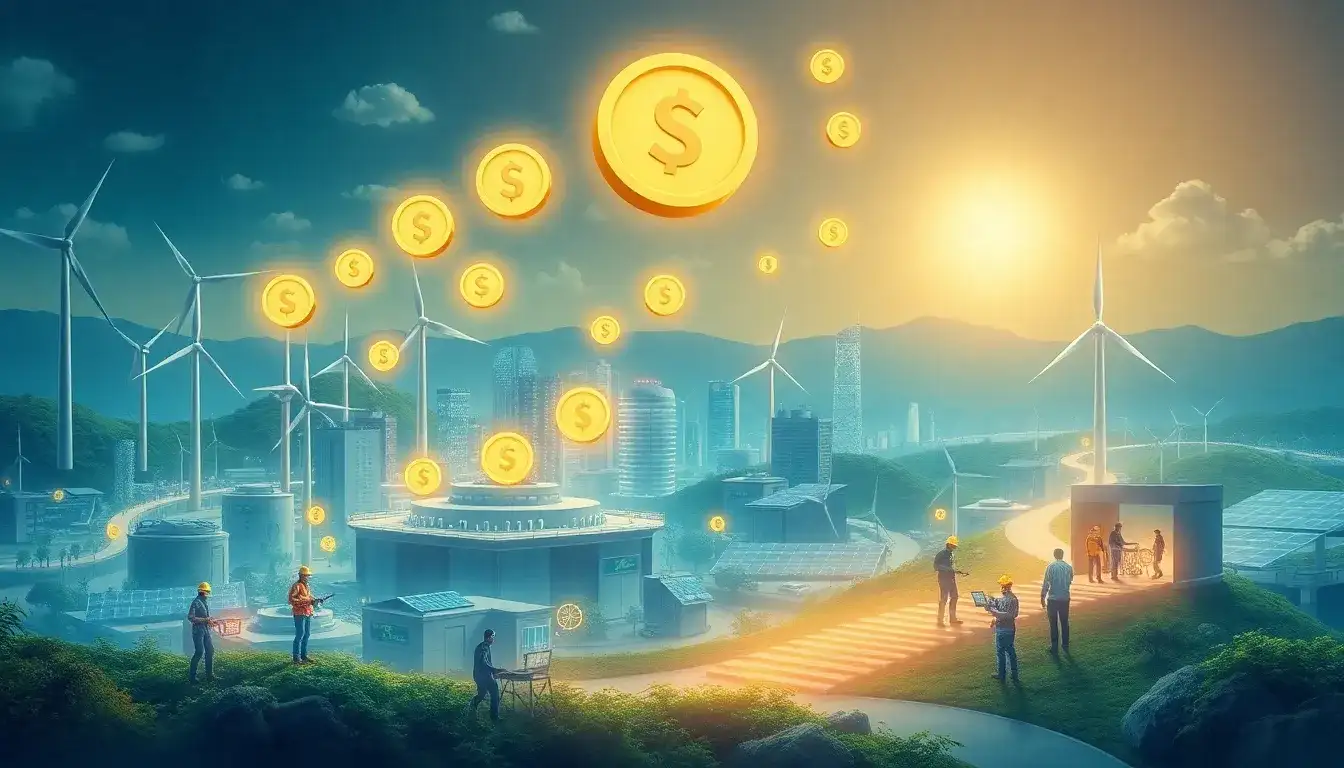
Role of Subsidies in Renewable Energy Employment
Support for Growth
- Job Creation: Subsidies help create jobs by supporting the expansion of renewable energy technologies such as solar and wind power. This support fosters an environment conducive to new employments in fields like manufacturing, installation, and maintenance.
- Industry Competitiveness: By reducing the financial barriers to entry, subsidies make renewable energy more competitive with fossil fuels, which can lead to increased adoption and employment opportunities.
Economic Impact
- Energy Prices and Industrial Jobs: While subsidies for renewable energy can increase energy prices, potentially threatening some industrial jobs dependent on cheaper energy sources, they also create new employment opportunities in the renewable sector. This shift can lead to a net increase in jobs as renewable energy grows faster than traditional sectors.
Global Context
- Global Employment Numbers: The global renewable energy sector supports millions of jobs, both directly and indirectly. In 2022, it employed 13.7 million people worldwide, showing a robust employment trend driven by supportive policies and subsidies.
Challenges and Balances
- Policy Balancing: Policymakers must balance the benefits of subsidies for renewable energy with the potential costs, such as higher energy prices. This involves carefully considering how subsidies can be structured to maximize employment while minimizing negative impacts on other sectors.
In summary, subsidies are crucial for promoting the growth of renewable energy and fostering employment in this sector. However, their implementation must be managed carefully to mitigate potential negative effects on other industries.
Original article by NenPower, If reposted, please credit the source: https://nenpower.com/blog/what-role-do-subsidies-play-in-the-employment-trends-of-renewable-energy/

