

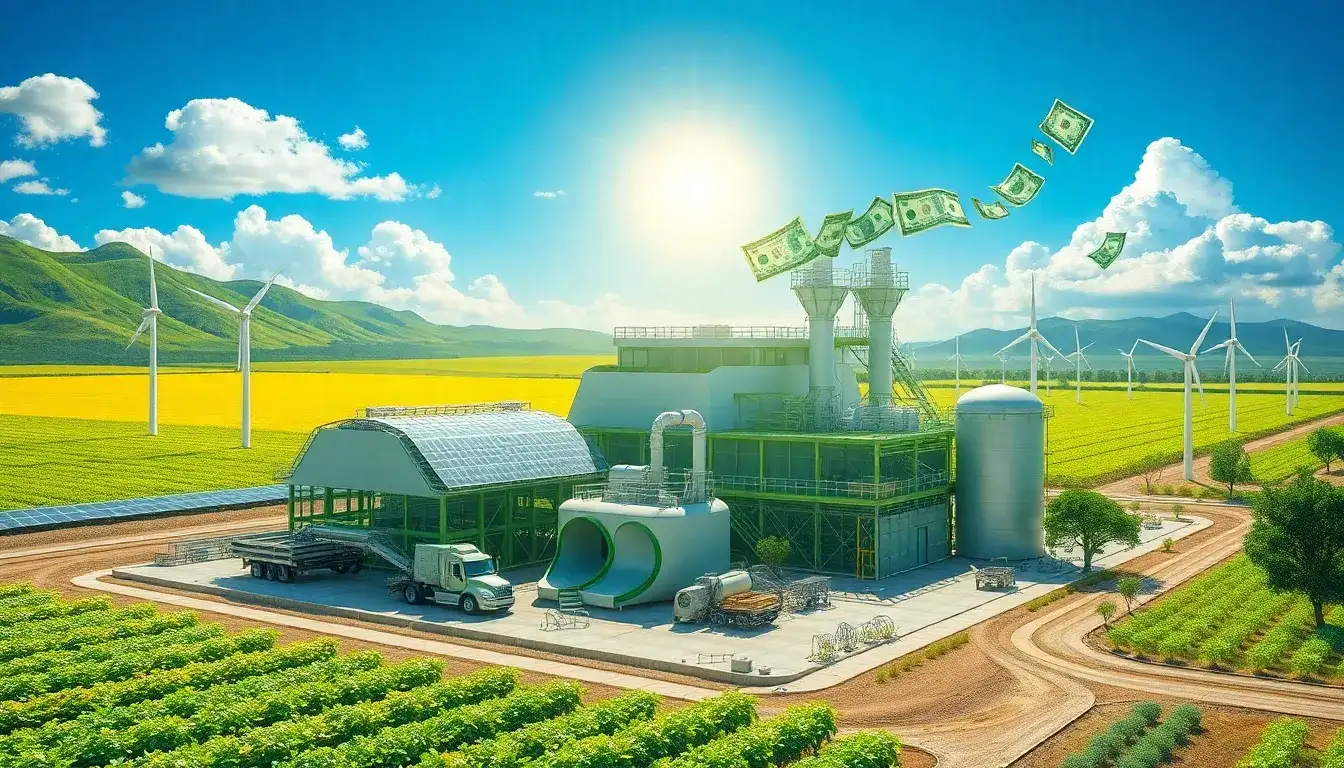
Subsidies play a critical role in the development of the photovoltaic (PV) recycling industry by providing financial support that addresses early-stage market uncertainties, lowers investment barriers, and accelerates technological innovation and commercialization. Key roles of subsidies include:
- Facilitating Innovation and Industry Start-up: Governments can establish dedicated funds and provide subsidies to support research and development of recycling technologies. This financial backing helps stimulate private investment in emerging PV recycling markets, encouraging companies to enter the sector and develop cost-effective processes for recycling PV materials and components.
- Lowering Initial Investment Costs: Subsidies or tax incentives can reduce the upfront costs for companies investing in recycling technology and equipment. This helps overcome hesitation from potential market entrants and promotes wider participation in PV recycling activities.
- Accelerating Recycling Rates: Effective incentive mechanisms, including subsidies, motivate manufacturers and consumers to actively participate in PV recycling programs. For example, a subsidy of $18 per PV module can achieve a target recycling rate of 20% six years earlier compared to a $10 subsidy, significantly speeding up recycling adoption and reducing environmental impacts.
- Supporting Comprehensive Lifecycle Approaches: Programs like the U.S. Department of Energy’s Solar Energy Technology Recycling Research, Development, and Demonstration Program provide financial assistance (e.g., $20 million funding) for projects focusing on increasing reuse and recycling efficiency, minimizing environmental impacts, and innovating in materials and designs that enable easier disassembly and material recovery.
- Reducing Recycling Costs and Environmental Impact: Subsidies help drive down the cost of recycling PV modules, aiming to halve recycling costs by 2030 as part of broader strategies to make solar energy more sustainable over its entire lifecycle.
In summary, subsidies are essential to overcoming economic and technological barriers in the PV recycling industry. They enable research, reduce financial risks, incentivize participation, speed up recycling rates, and support the development of an efficient, cost-effective, and environmentally responsible PV recycling ecosystem.
Original article by NenPower, If reposted, please credit the source: https://nenpower.com/blog/what-role-do-subsidies-play-in-the-development-of-a-pv-recycling-industry/

