Solid-State Batteries in Solar Energy Storage: A Transformative Role
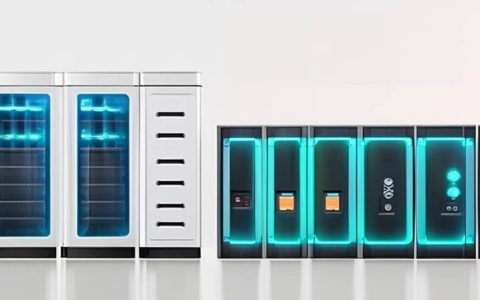
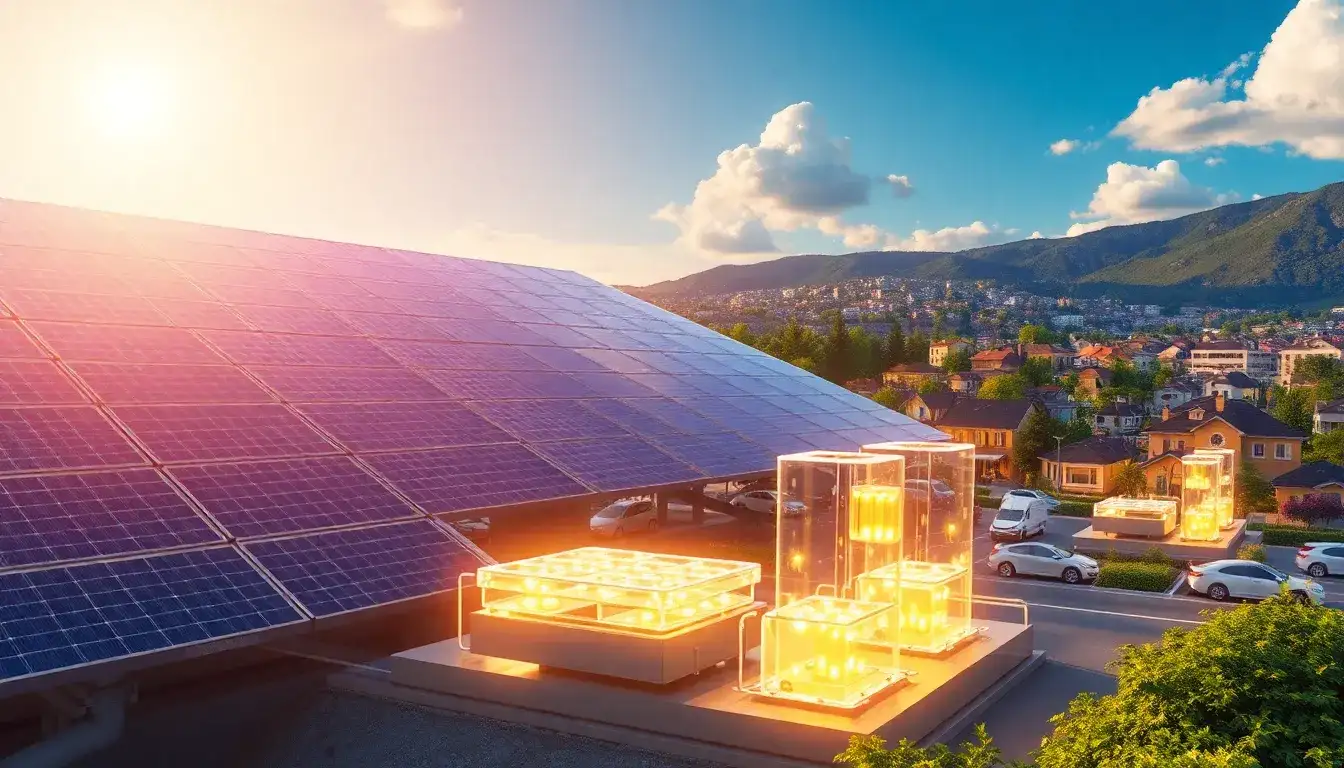
Solid-state batteries (SSBs) are poised to play a crucial role in shaping the future of solar energy storage by addressing several key challenges faced by traditional lithium-ion batteries.
Advantages of Solid-State Batteries
- Higher Energy Density: SSBs offer higher energy density compared to lithium-ion batteries, enabling more efficient storage and utilization of solar energy.
- Enhanced Safety: By replacing liquid electrolytes with solid ones, SSBs significantly reduce the risk of fires and thermal runaway, making them safer for widespread use.
- Faster Charging: SSBs can charge faster due to lower electrolyte resistance, which is beneficial for integrating renewable energy into the grid.
- Longer Lifespan: Solid-state batteries can withstand more charge-discharge cycles, extending their lifespan and reducing maintenance costs.
Applications in Solar Energy Storage
- Residential Solar Systems: SSBs can be integrated into residential solar systems to store excess energy generated during the day for use at night or during peak demand periods.
- Off-Grid Solutions: In remote areas, SSBs paired with solar panels provide a cost-effective and sustainable solution for energy needs.
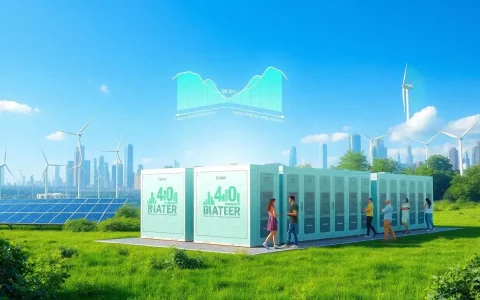
- Grid-Scale Energy Storage: SSBs can store energy from solar and wind power, helping to maintain grid stability by releasing energy during low generation periods.
Future Outlook
While SSBs are still in development, their transformative potential is significant. Companies like Toyota and Samsung are investing heavily in this technology, with commercial releases expected around 2026-2027. As these batteries become more viable, they will play a pivotal role in making solar energy more reliable and accessible, contributing to a sustainable energy future.
Original article by NenPower, If reposted, please credit the source: https://nenpower.com/blog/what-role-do-solid-state-batteries-play-in-the-future-of-solar-energy-storage/