

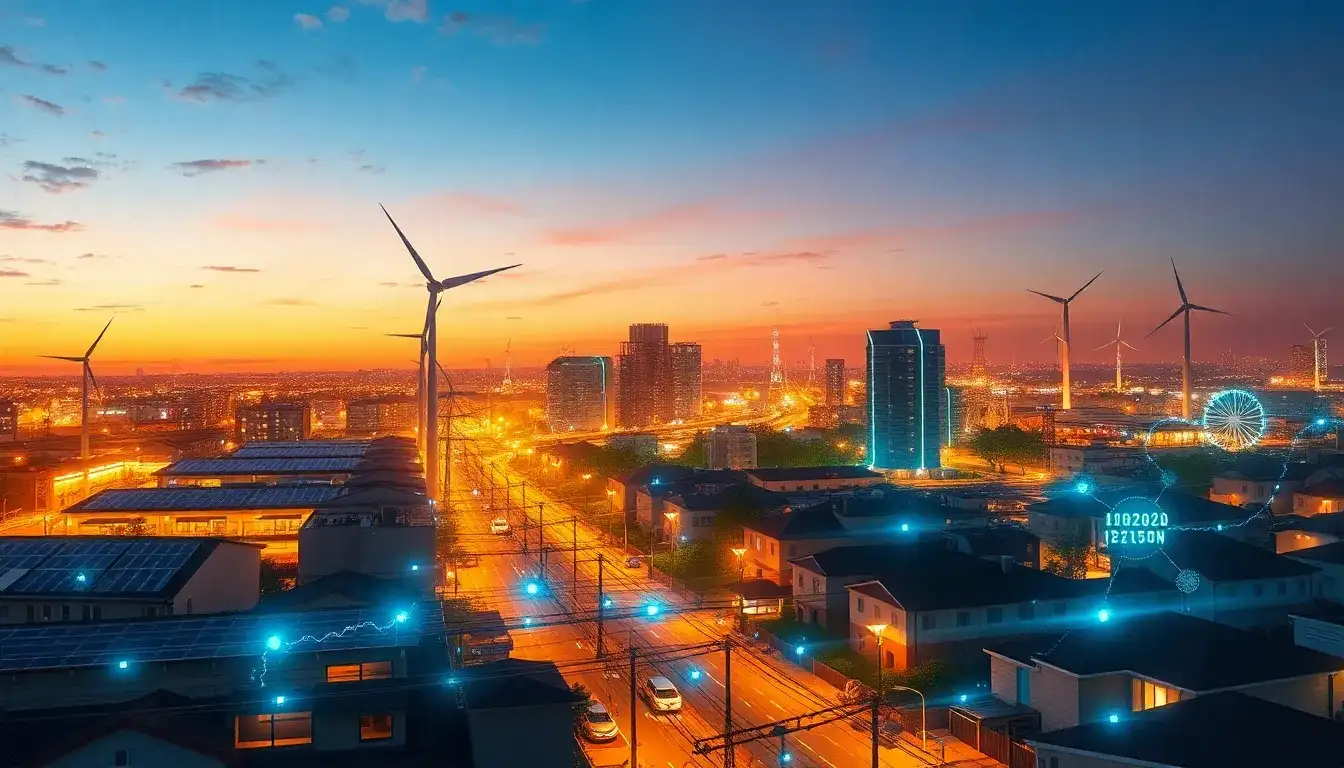
Role of Smart Grids in Integrating Intermittent Energy Sources
Smart grids play a pivotal role in the integration of intermittent energy sources, such as solar and wind power, into the electrical grid. The integration of these sources poses significant challenges due to their variable and unpredictable nature, which can lead to grid instability and inefficiency. Smart grids address these challenges by employing advanced technologies and strategies to ensure a stable, efficient, and reliable energy supply.
Key Functions of Smart Grids
- Real-Time Monitoring and Management: Smart grids utilize digital technologies to monitor energy production and consumption in real time. This allows for dynamic adjustments to match supply with demand, reducing waste and optimizing energy use.
- Energy Storage Solutions: Smart grids incorporate energy storage systems like batteries to mitigate the intermittency of renewable sources. Excess energy generated during peak production periods can be stored and released when needed, ensuring a consistent energy supply.
- Demand Response Initiatives: These programs encourage consumers to adjust their energy consumption based on the availability of renewable energy, helping to manage peak demand periods and alleviate grid stress.
- Flexibility and Decentralization: Smart grids support decentralized energy resources (DERs) such as rooftop solar and community solar projects, enhancing grid flexibility and resilience.
Advantages of Smart Grids
- Enhanced Reliability: Smart grids quickly identify and address issues, reducing outages and ensuring a reliable energy supply.
- Increased Efficiency: They optimize energy distribution by matching supply with demand in real time, reducing energy costs and enhancing sustainability.
- Environmental Benefits: By promoting the use of renewable energy sources, smart grids contribute to a reduction in carbon emissions, supporting global climate goals.
- Future Scalability: Smart grids are adaptable and can incorporate new technologies and strategies as they emerge, ensuring they remain effective in the evolving energy landscape.
In summary, smart grids are essential for integrating intermittent renewable energy sources into the electrical grid, providing a framework that supports a sustainable, efficient, and reliable energy future.
Original article by NenPower, If reposted, please credit the source: https://nenpower.com/blog/what-role-do-smart-grids-play-in-integrating-intermittent-energy-sources/

