

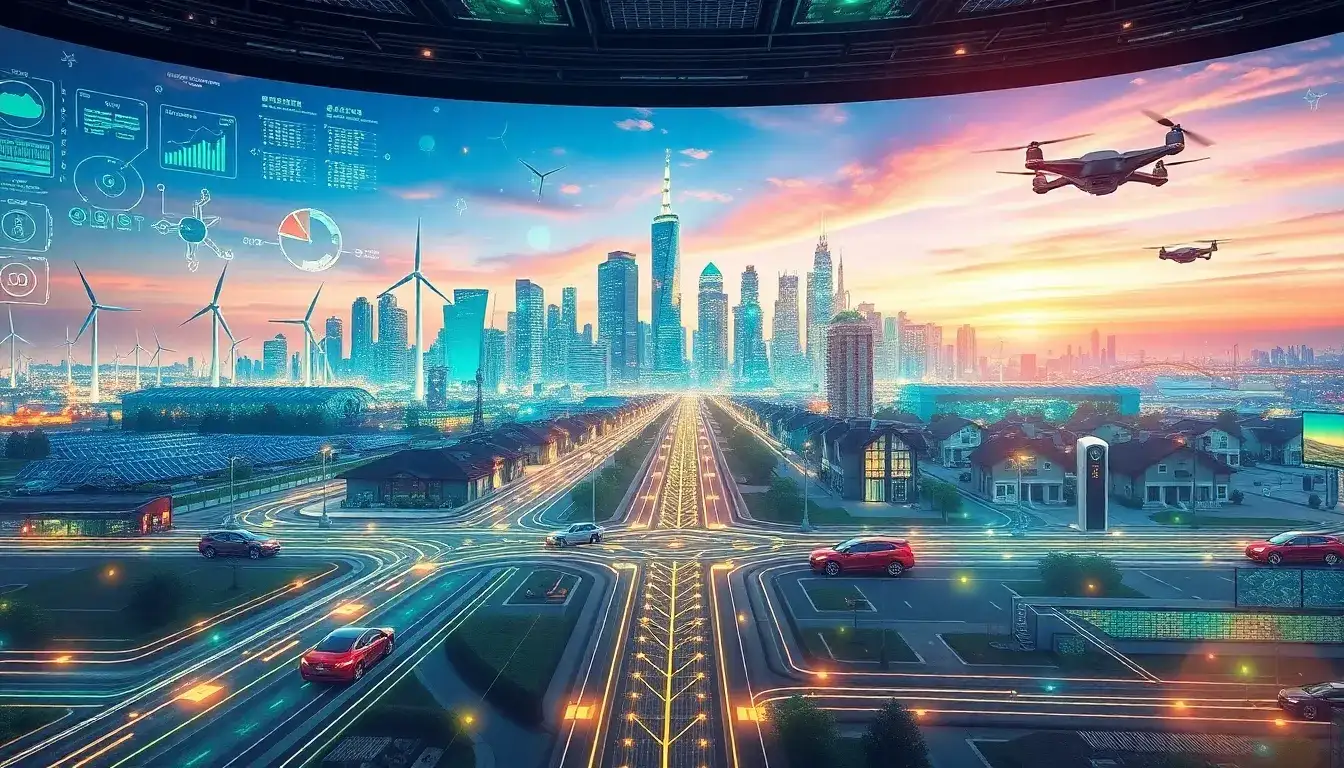
Smart grid technologies play a crucial role in integrating renewable energy sources into the energy mix by enabling efficient management, distribution, and optimization of these resources. Here are the key ways smart grids support renewable energy integration:
Key Roles of Smart Grids in Renewable Energy Integration
- Effective Management and Distribution:
- IoT and Sensors: Smart grids utilize the Internet of Things (IoT) to gather real-time data from sensors across various renewable energy systems, such as wind farms and solar arrays. This data helps utilities detect issues promptly and manage energy distribution more effectively.
- Smart Inverters: These devices act as intelligent control points, modulating power output based on grid conditions to prevent overloads and maintain stability.
- Integration of Distributed Energy Resources (DERs):
Smart grids facilitate the integration of DERs like rooftop solar and wind turbines into the grid. This integration is enhanced by sophisticated software platforms that manage the variable output of these sources. - Enhanced Grid Stability and Reliability:
- Real-Time Monitoring: Advanced sensors and meters provide real-time data, allowing utilities to dynamically balance supply and demand, which is crucial for maintaining grid reliability with intermittent renewable sources.
- Energy Storage Integration: Incorporating technologies like battery storage helps mitigate the variability of renewable energy by storing excess energy during high production periods for use during low production intervals.
- Demand Response Initiatives:
Smart grids enable demand response programs that incentivize consumers to adjust their energy usage during peak demand periods. This helps alleviate grid stress and ensures more stable energy distribution. - Microgrids and Resilience:
The integration of microgrids allows for flexible and resilient energy systems that can operate autonomously or in tandem with the main grid, enhancing local energy reliability and resilience.
Challenges and Future Outlook
Despite the benefits, challenges such as network inadequacy and the need for significant infrastructure upgrades remain. However, ongoing advancements in technologies like AI and machine learning are expected to optimize grid management further, making the integration of renewable energy with smart grids increasingly seamless and sustainable.
Original article by NenPower, If reposted, please credit the source: https://nenpower.com/blog/what-role-do-smart-grid-technologies-play-in-integrating-renewable-energy-sources/

