

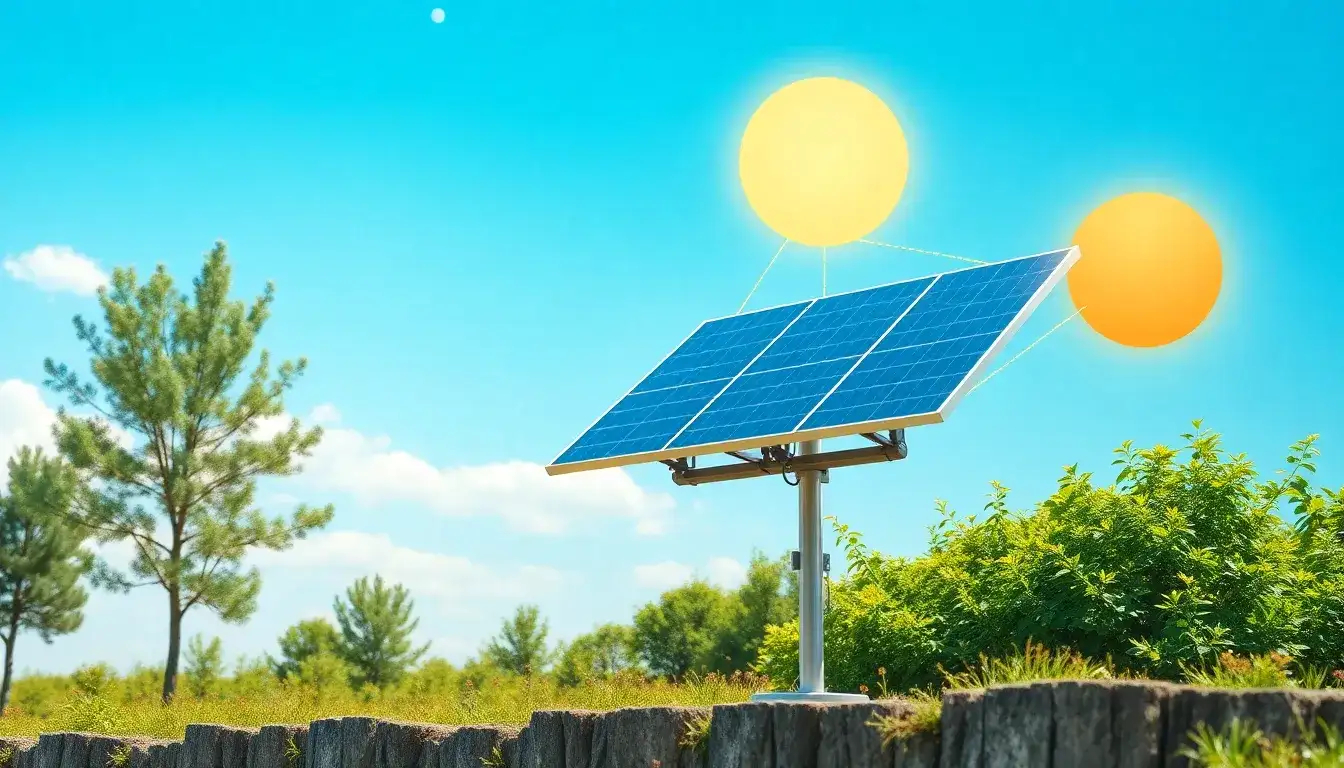
Sensors play a crucial role in enhancing the efficiency of solar tracking systems by enabling solar panels to continuously and precisely follow the sun’s movement throughout the day. This dynamic adjustment maximizes the panels’ exposure to sunlight, significantly boosting energy output compared to fixed-position panels.
Key Roles of Sensors in Solar Tracking Systems
- Real-Time Sun Tracking: Sensors detect the sun’s position and direct the solar panels to tilt and turn accordingly, ensuring optimal alignment with sunlight throughout the day. This ability to maintain the best angle increases energy production by up to 40-45% compared to static panels.
- Efficiency Optimization: Sensors monitor light intensity and solar panel conditions, allowing automatic adjustments to panel orientation to capture the maximum possible solar irradiance even when sunlight fluctuates due to weather or other factors.
- Performance Monitoring and Maintenance: Sensors quickly identify inefficiencies or faults in the solar panels, enabling early detection of problems. This helps maintain high energy output and reduces maintenance costs by addressing issues before they escalate.
- Enhanced Energy Collection: Dual-axis sensor-based trackers can adjust panels along both vertical and horizontal axes, compared to single-axis trackers, providing more precise sun tracking and further improving energy yield, notably important in regions with variable sun paths such as India.
Additional Benefits and Trends
- Adaptability to Geographic Location: Sensor data helps tailor tracking behavior to local solar patterns, optimizing energy collection based on geographic considerations.
- Future Innovations: Advancements like wireless sensor networks and integration with AI enable smarter monitoring and predictive maintenance, further enhancing solar tracking system efficiency and reducing operational complexity.
In summary, sensors are fundamental to solar tracking systems because they provide the data needed to dynamically orient solar panels toward the sun, significantly increasing power generation, improving system monitoring, and lowering maintenance costs. This makes solar energy systems more reliable, cost-effective, and productive overall.
Original article by NenPower, If reposted, please credit the source: https://nenpower.com/blog/what-role-do-sensors-play-in-the-efficiency-of-solar-tracking-systems/

