

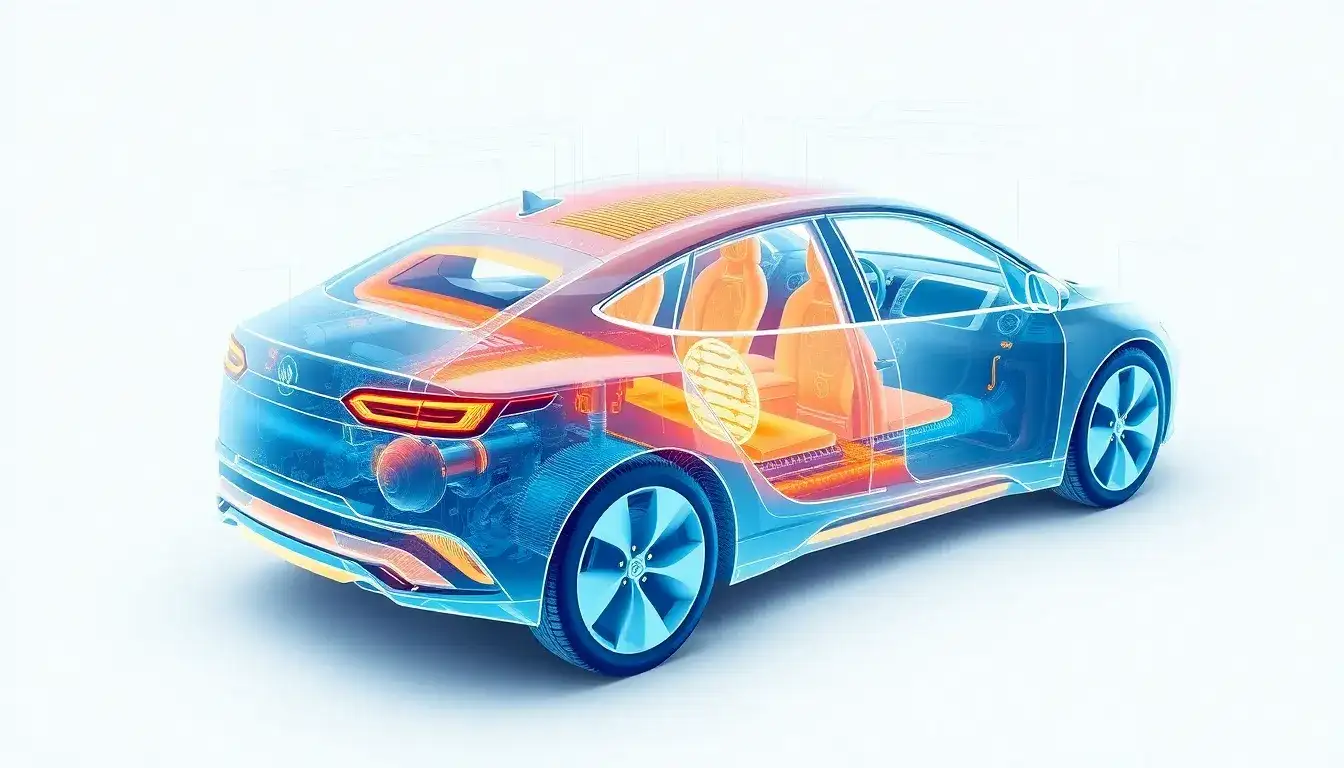
Sensors play a critical role in the smart control algorithms for thermal regulation in electric vehicles (EVs). These sensors are essential for monitoring and controlling the temperature of crucial components, such as the battery pack, motor, and other electrical systems, to ensure efficiency, safety, and longevity.
Key Functions of Sensors in Thermal Regulation
- Real-Time Data Provision: Sensors provide real-time temperature data from various points in the vehicle, including battery cells, coolant circuits, and heat exchangers. This data is crucial for the thermal management system to operate effectively.
- Temperature Monitoring and Control: By continuously monitoring temperatures, sensors enable the battery management system (BMS) and other control systems to regulate heating and cooling processes. This ensures that components remain within safe operating temperatures, preventing overheating or underheating that could lead to reduced performance, efficiency, or even safety issues.
- Thermal Runaway Detection: Advanced sensors, such as pressure sensors, are used to detect thermal runaway conditions in batteries. This capability allows for early intervention, helping prevent catastrophic failures and enhancing overall vehicle safety.
- Optimization of Efficiency: By monitoring and controlling temperature precisely, sensors help optimize the efficiency of EV systems. This includes minimizing energy losses from cooling systems and ensuring that battery conditions are optimized for maximum performance and lifespan.
- Integration with Control Algorithms: The data from sensors is fed into sophisticated algorithms that analyze and interpret this information to make decisions regarding thermal management. These algorithms dynamically adjust the operation of heating and cooling systems to meet the changing demands of the vehicle in real-time.
Types of Sensors Used
- Thermal Sensors: These are used extensively throughout the vehicle to monitor temperatures in the battery pack, motor, and other components.
- Optical Sensors: Advanced optical sensors offer improved precision and can be used in battery modules, motor modules, and air conditioning systems for enhanced thermal management.
- Pressure Sensors: Used for detecting thermal runaway conditions in batteries, these sensors are crucial for safety.
Overall, sensors are indispensable for maintaining optimal thermal conditions in EVs, ensuring both performance and safety.
Original article by NenPower, If reposted, please credit the source: https://nenpower.com/blog/what-role-do-sensors-play-in-smart-control-algorithms-for-thermal-regulation-in-evs/

