

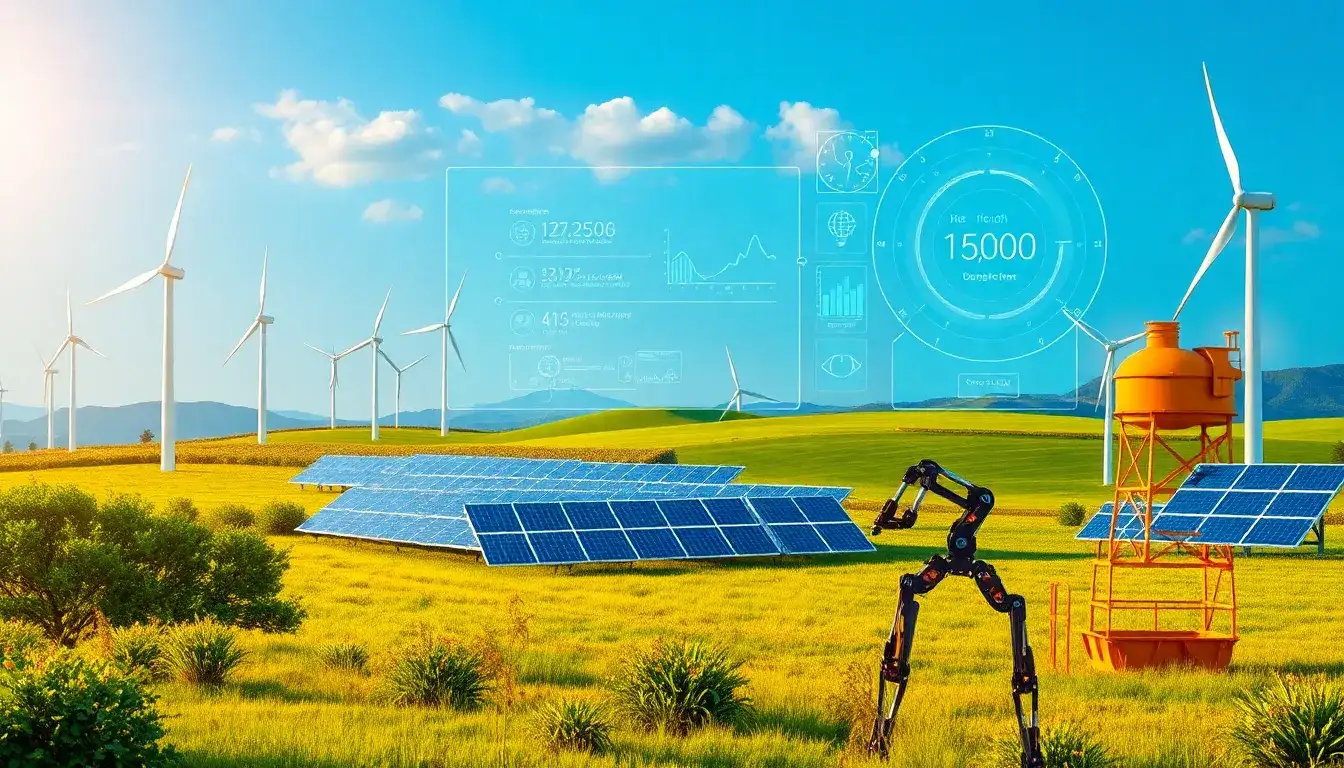
Sensors are foundational to AI-driven predictive maintenance in renewable energy, serving as the critical data collection points that enable proactive equipment management and failure prevention.
Role of Sensors in AI-Driven Predictive Maintenance for Renewable Energy
- Continuous Real-Time Monitoring: Sensors embedded in renewable energy assets—such as wind turbines, solar panels, hydroelectric turbines, and biomass boilers—constantly measure parameters like vibration, temperature, pressure, mechanical stress, and electrical output. This continuous data stream allows for the creation of a detailed, real-time digital map of the condition and performance of each component across the energy plant or farm.
- Data Collection for AI and Machine Learning: The vast volumes of sensor-generated data are transmitted to central databases via IoT networks. AI and machine learning algorithms analyze these datasets to identify patterns, correlations, and anomalies that human operators might miss. This analysis can detect early warning signs of equipment faults, such as bearing misalignments or gearbox wear in wind turbines, or dirt accumulation and shading affecting solar panels.
- Enabling Predictive Models: By integrating sensor data with historical performance and environmental conditions, AI models can forecast potential failures or declines in efficiency before they occur. For example, vibration sensors on wind turbines help predict mechanical failures by tracking abnormal wear, while sensors in hydroelectric plants monitor water flow and mechanical stress to prevent turbine breakdowns.
- Optimizing Maintenance Scheduling: Sensor-driven insights empower operators to move from reactive to proactive maintenance. Maintenance activities can be precisely planned to address issues before they escalate, reducing costly downtime, avoiding emergency repairs, and extending equipment lifespan. This is particularly valuable in renewable energy settings where assets often operate in remote or harsh environments (e.g., offshore wind farms or tidal energy systems).
- Enhancing Safety and Reducing Costs: By detecting equipment degradation early, sensors and AI reduce the risk of sudden failures that could jeopardize worker safety or cause expensive damage. This leads to safer, more efficient operations and optimized resource use in maintenance workflows.
In summary, sensors act as the eyes and ears of AI-driven predictive maintenance systems in renewable energy. They provide the raw, real-time data essential for machine learning models to predict faults, optimize performance, and ensure the reliable and cost-effective operation of renewable energy infrastructures.
Original article by NenPower, If reposted, please credit the source: https://nenpower.com/blog/what-role-do-sensors-play-in-ai-driven-predictive-maintenance-for-renewable-energy/

