

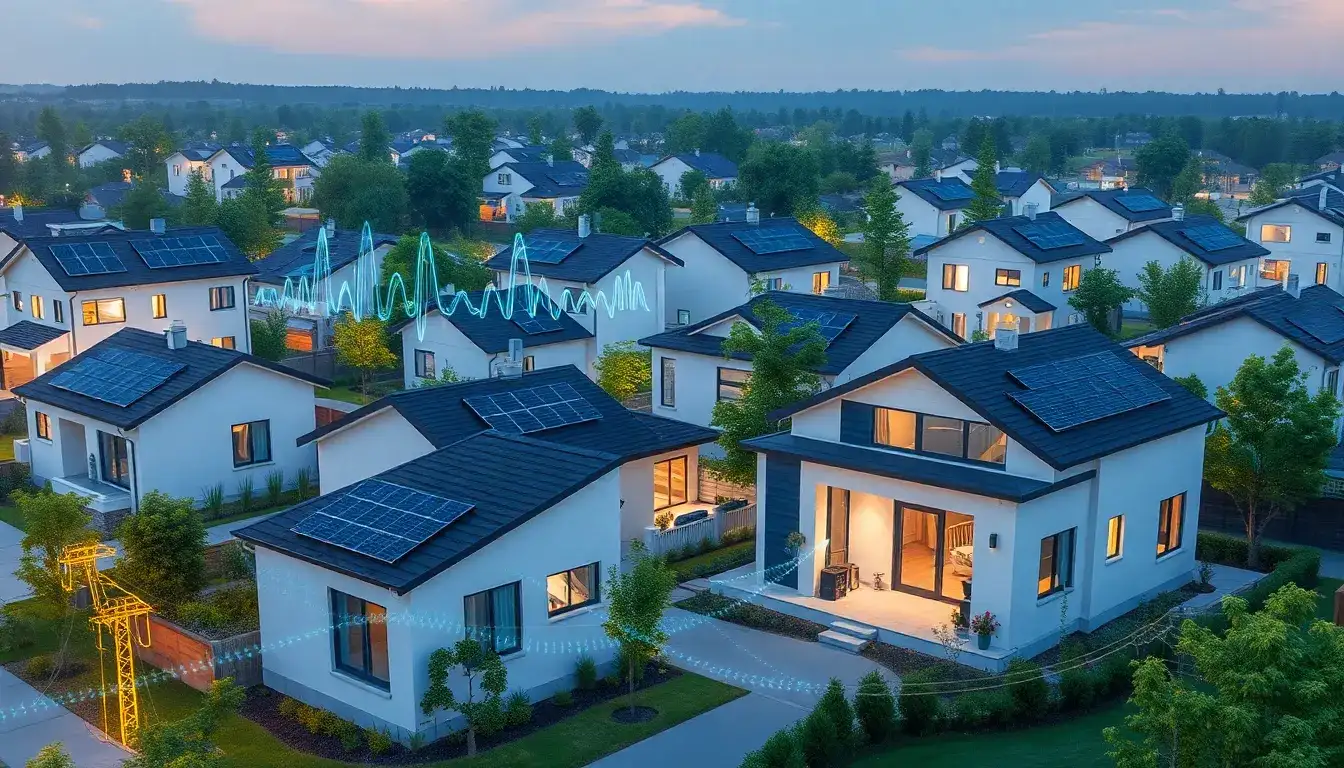
Role of Residential Energy Storage Systems in Frequency Regulation
Residential energy storage systems, typically battery-based, can play a crucial role in frequency regulation, though their impact is often more indirect compared to larger-scale utility systems. Here’s how they contribute to this critical aspect of grid stability:
Basic Function
- Frequency Regulation: Frequency regulation ensures that the balance between electricity supply and demand is maintained, keeping the grid frequency within a narrow range (usually 50 or 60 Hz). When the demand exceeds supply, the frequency drops, and when supply exceeds demand, it rises. Battery energy storage systems (BESS) can quickly adjust to these changes by discharging energy when frequency drops or absorbing excess energy when it rises.
Contribution of Residential Systems
- Aggregate Impact: While individual residential systems are small, their aggregate effect can be substantial. When many residential battery storage systems respond to frequency deviations collectively, they can contribute to grid stability by providing a small but distributed response to frequency changes.
- Microgrid Participation: Residential energy storage can also be integrated into local microgrids, where they can play a more direct role in managing local frequency and voltage stability. This can be particularly beneficial in areas with high penetration of renewable energy sources.
- Supporting Renewable Integration: By storing excess energy generated by residential solar panels during peak production periods, battery storage systems help stabilize the grid and prevent frequency fluctuations caused by the intermittent nature of renewable energy.
- Reducing Peak Demand: Residential peak shaving using energy storage can indirectly support grid frequency regulation by reducing strain on the grid during peak hours, thus reducing the likelihood of frequency deviations.
Challenges and Future Potential
- Coordination and Control: For residential systems to effectively participate in frequency regulation, advanced control systems and coordination mechanisms are needed to aggregate responses and ensure they align with grid needs.
- Economical Participation: Incentives or market mechanisms may be necessary to encourage participation in frequency regulation services, allowing residential systems to monetize their contributions.
In summary, while residential energy storage systems can contribute to frequency regulation, their role is often supplementary to larger-scale grid management strategies. However, as technology and coordination mechanisms improve, their potential impact can grow.
Original article by NenPower, If reposted, please credit the source: https://nenpower.com/blog/what-role-do-residential-energy-storage-systems-play-in-frequency-regulation/

