

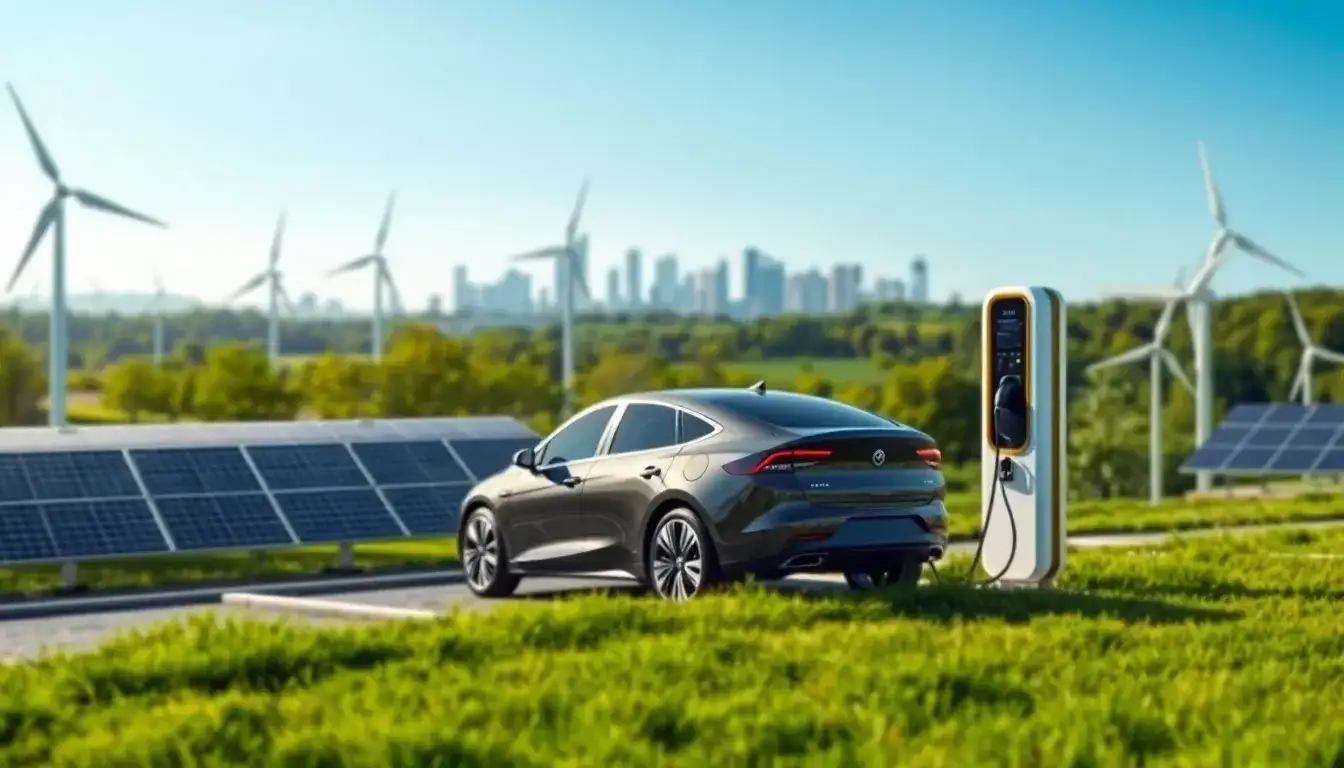
Key Roles of Renewable Energy in EV Emissions Reduction
- Clean Energy for Charging:
- Renewable energy sources like solar and wind power ensure that EVs are charged with clean energy, minimizing their reliance on fossil fuels.
- This maximizes the sustainability of EVs, as the energy used to power them is derived from non-polluting sources.
- Reduced Well-to-Wheel Emissions:
- As the grid becomes more decarbonized with a higher proportion of renewable energy, the emissions intensity of electricity generation decreases significantly.
- This leads to lower well-to-wheel emissions for EVs, making them an even more environmentally friendly option compared to internal combustion engine vehicles.
- Optimization of Energy Structure:
- Increasing the proportion of renewable energy in the power grid helps offset the carbon footprint associated with energy consumption for EVs.
- It enables a more coordinated development of the EV market and the energy sector, reinforcing the environmental benefits of EV adoption.
- Globally Significant Emissions Reductions:
- Electrification and renewable energy together can deliver substantial CO2 emissions reductions.
- As more countries transition towards renewable energy, the overall carbon footprint of EVs is expected to decrease significantly.
In summary, renewable energy sources are vital for enhancing the environmental benefits of EVs by providing clean energy for charging, reducing emissions, and optimizing the energy structure.
Original article by NenPower, If reposted, please credit the source: https://nenpower.com/blog/what-role-do-renewable-energy-sources-play-in-the-effectiveness-of-evs-in-reducing-emissions/

