

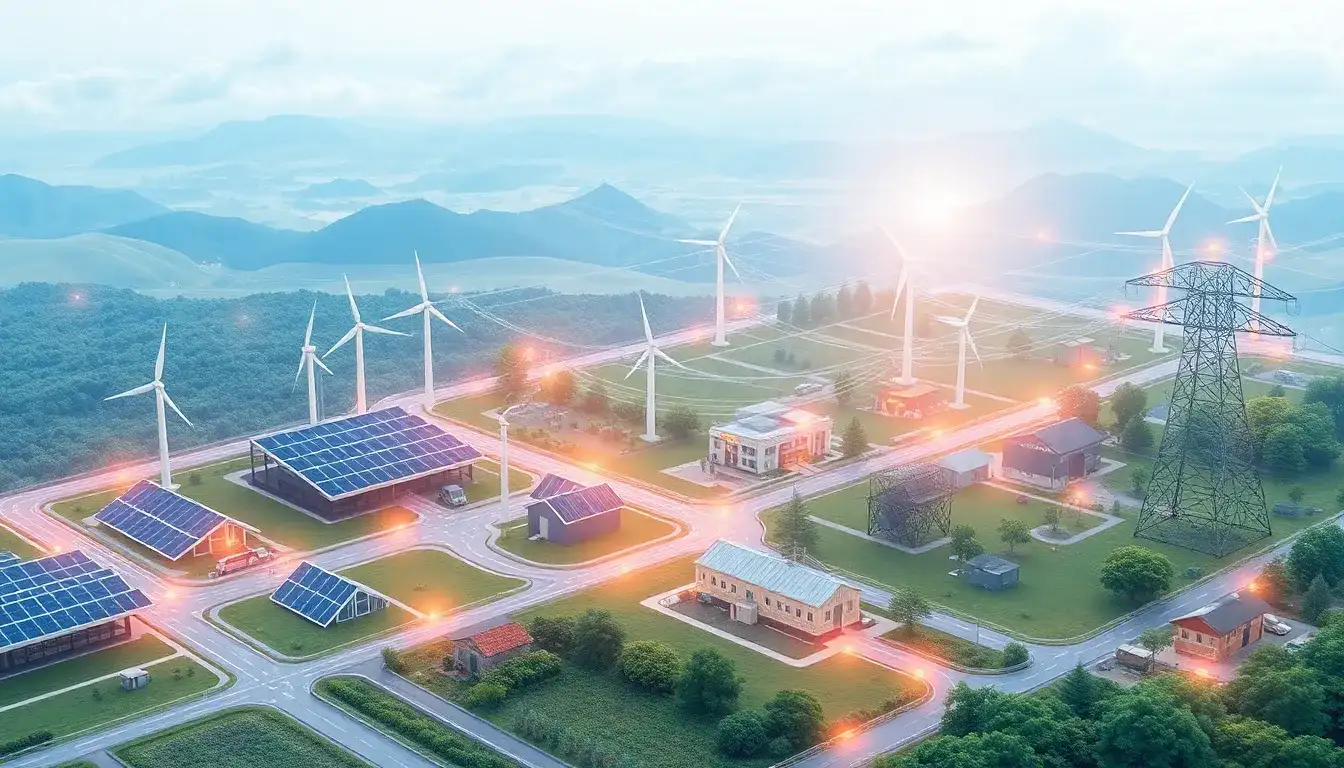
Non-fossil flexibility mechanisms, such as energy storage and demand response, are increasingly critical in capacity markets for ensuring grid reliability while advancing decarbonization goals. Here’s their evolving role:
Decarbonizing Capacity Markets
Capacity markets, traditionally dominated by fossil fuel plants, are shifting focus to non-fossil flexibility to align with EU climate targets. Recent reforms require member states to prioritize low-emission solutions like storage and demand-side management in capacity mechanisms. These technologies provide dispatchable capacity without CO₂ emissions, reducing reliance on gas or coal plants.
Policy-Driven Integration
- EU Electricity Market Reform (2024) mandates:
- Flexibility assessments to determine storage needs and set national targets.
- Support schemes for non-fossil assets, enabling dedicated funding for storage and demand response.
- ITRE Committee (2023-2024) backed provisions allowing states to:
- Implement non-fossil flexibility incentives alongside capacity markets.
- Strengthen business cases for storage through harmonized EU strategies from 2025.
Operational Advantages
- Grid Balancing: Batteries and demand response provide sub-second to multi-hour flexibility, outperforming fossil plants in rapid response.
- Market Access: Reduced minimum bid sizes (≤100 kW) enable small-scale storage and demand assets to participate in day-ahead/intraday markets.
- Cost Efficiency: Storage avoids fossil fuel price volatility and leverages cheaper renewable energy during surplus periods.
Current Challenges
Despite progress, fossil fuels still dominate capacity payments (€50bn awarded since 2015 vs. ~20% for clean flexibility). Reforms aim to rectify this imbalance by systematically phasing out fossil eligibility criteria.
Original article by NenPower, If reposted, please credit the source: https://nenpower.com/blog/what-role-do-non-fossil-flexibility-mechanisms-play-in-capacity-markets/

