

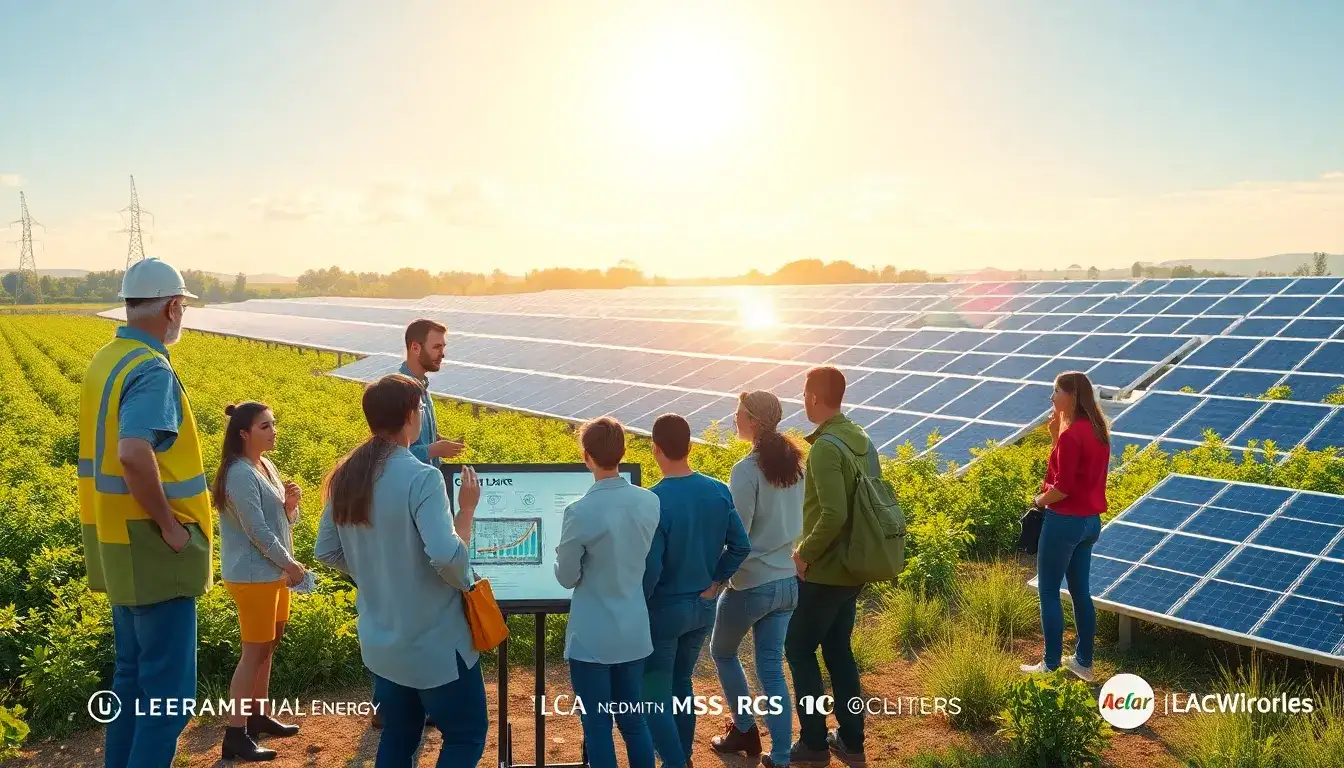
Local nonprofits play a significant role in the development of solar energy projects, particularly in promoting renewable energy access and fostering community involvement. Here are some ways they contribute:
Contributions of Local Nonprofits
- Promotion of Solar Energy Use: Local nonprofits often raise awareness about the benefits of solar energy. Organizations like Solar United Neighbors emphasize how nonprofits can reduce electricity costs by transitioning to solar power, allowing them to reinvest their savings into community-driven initiatives.
- Affordable Solar Installations: Nonprofits such as SunWork provide affordable solar installations by training volunteers. They focus on small projects that might not be economically viable for larger companies, thus extending solar benefits to more people.
- Community Engagement and Education: These organizations engage the community by organizing workshops and providing educational resources on solar energy. This helps build a collective understanding of solar power’s potential and encourages more participation from individuals and businesses.
- Funding and Program Support: Some nonprofits partner with utilities and government agencies to secure funding for solar projects. For example, SRP’s Solar for Nonprofits program in Arizona supports local nonprofits by providing solar systems to reduce operational costs. This program relies on donations to cover the costs of solar installations, helping nonprofits redirect resources to community initiatives.
In summary, local nonprofits help develop solar energy projects by promoting affordable and accessible renewable energy solutions, engaging communities, and securing crucial funding through partnerships and donations.
Original article by NenPower, If reposted, please credit the source: https://nenpower.com/blog/what-role-do-local-nonprofits-play-in-the-development-of-solar-energy-projects/

