

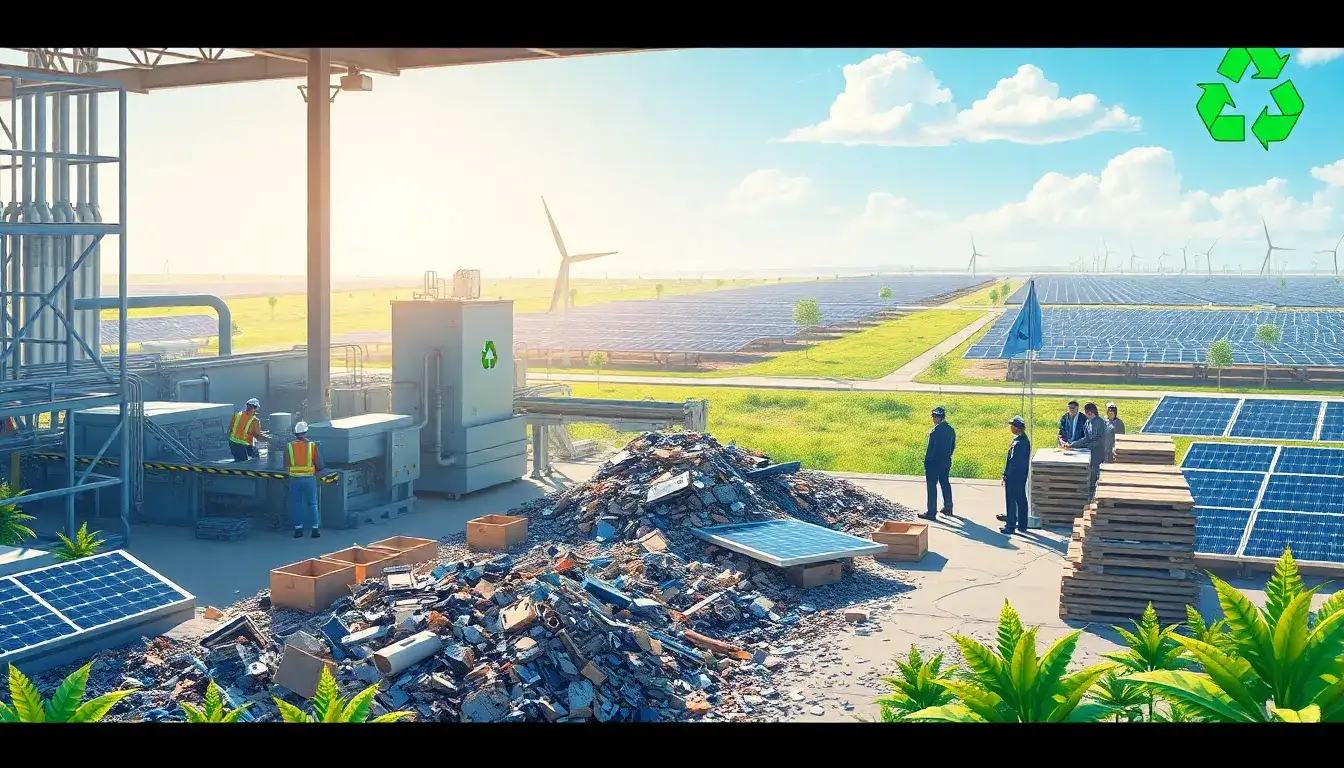
Industry-led policies play a critical role in advancing photovoltaic (PV) recycling by establishing frameworks for accountability, incentivizing sustainable practices, and fostering technological and logistical solutions. Key contributions include:
Extended Producer Responsibility (EPR) Programs
Industry-led EPR policies require manufacturers to manage end-of-life (EoL) solar panels they produce or sell. For example, programs mandate that manufacturers finance takeback initiatives, collect panels, and ensure high recycling rates (e.g., Washington’s requirement for 85% reuse/recycling of collected modules). Such policies shift disposal costs from consumers to manufacturers, incentivizing eco-design and resource recovery.
Regulatory Collaboration and Liability Reduction
Industry policies often work alongside state regulations to reduce legal and financial barriers. For instance, Washington’s policies exempt panels destined for recycling from stringent hazardous waste rules if recyclers follow environmental guidelines, lowering compliance costs and liability risks. This collaboration encourages recycling over landfilling.
Material Recovery and Circular Economy Goals
Industry initiatives prioritize recovering valuable materials (e.g., silver, silicon) and reducing hazardous waste. Advanced recycling processes and partnerships with research institutions aim to improve recovery efficiency, which is critical given only ~10% of U.S. decommissioned panels currently undergo proper recycling.
Stakeholder Engagement and Standardization
Policies often require manufacturers to educate installers, consumers, and regulators about recycling logistics and benefits. Standardized labeling for hazardous materials (e.g., lead) and centralized takeback programs streamline recycling operations.
Market-Driven Innovations
Industry-led recycling facilities and technology developments (e.g., thermal, mechanical, and chemical separation methods) are emerging to meet growing waste volumes, supported by projections of rising demand for recycled materials. These efforts are poised to reduce costs and enhance scalability as PV installations expand.
By addressing economic, regulatory, and technical challenges, industry policies help create a sustainable lifecycle for solar energy infrastructure.
Original article by NenPower, If reposted, please credit the source: https://nenpower.com/blog/what-role-do-industry-led-policies-play-in-promoting-pv-recycling/

