

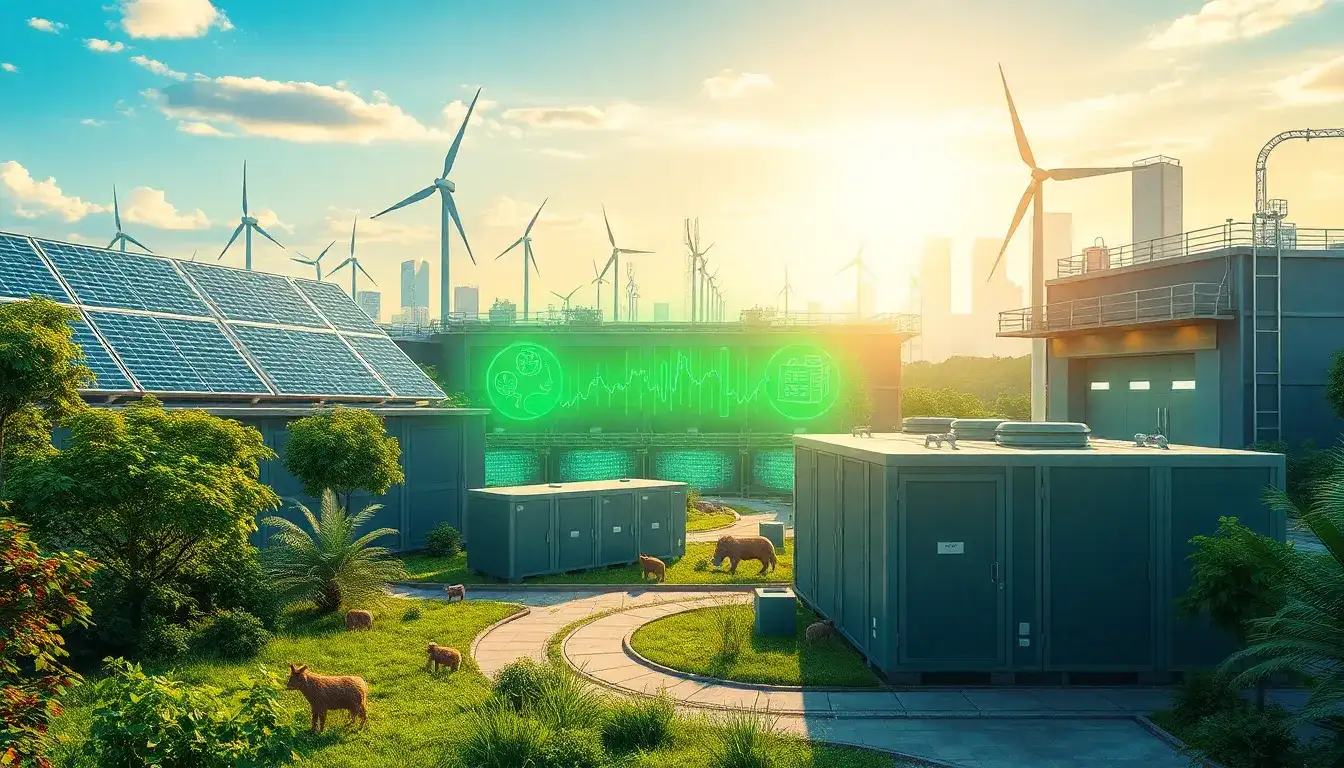
Green bonds play a crucial role in financing energy storage projects by providing a dedicated source of capital for environmentally beneficial initiatives. These bonds are similar to traditional bonds but are specifically earmarked for projects that offer environmental benefits, such as renewable energy and energy efficiency, which often include energy storage solutions like battery storage systems.
Key Points on Green Bonds and Energy Storage:
- Financing Source: Green bonds serve as a key financing instrument for energy storage projects, enabling companies to raise capital specifically for these initiatives. They help bridge the gap between capital providers and sustainable assets, including energy storage solutions.
- Eligibility Criteria: Energy storage projects are often included in the eligible categories for green bond funding. For example, Alliant Energy lists the development, construction, maintenance, R&D, and acquisition of new battery energy storage capacity as eligible projects.
- Market Growth: While green bonds have grown significantly, they still make up only a small fraction of the global bond market. However, their role in supporting sustainable projects like energy storage is critical for achieving climate goals.
- Certification and Standards: Initiatives like the Climate Bonds Standard & Certification Scheme help ensure that green bonds are transparent and aligned with climate objectives, which is essential for maintaining market confidence and supporting projects such as energy storage.
In summary, green bonds facilitate the financing of energy storage projects by offering a designated funding mechanism that aligns with environmental sustainability goals.
Original article by NenPower, If reposted, please credit the source: https://nenpower.com/blog/what-role-do-green-bonds-play-in-financing-energy-storage-projects/

