

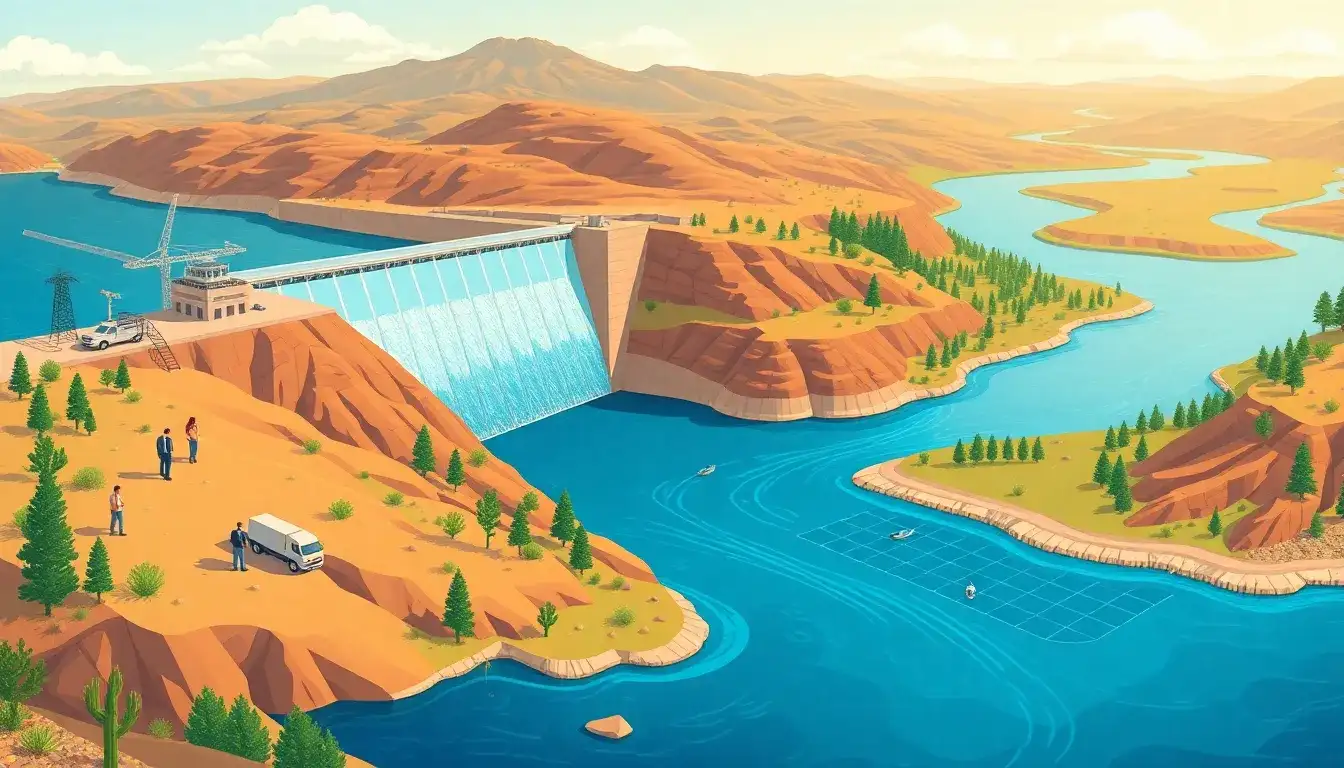
Federal agencies play a critical role in overseeing the water rights aspects of pumped hydro projects primarily through regulatory oversight, permitting, and enforcement of water quality and allocation laws.
Key Roles of Federal Agencies in Water Rights for Pumped Hydro Projects
1. Regulatory and Permitting Oversight
- The U.S. Environmental Protection Agency (EPA) is heavily involved in enforcing federal clean water laws such as the Clean Water Act (CWA). The EPA regulates water pollution, setting standards and permitting discharges that might affect water quality in rivers, lakes, and reservoirs involved in pumped hydro projects.
- The U.S. Army Corps of Engineers (USACE) often works with the EPA in defining which waters are federally protected under regulations like the Waters of the United States (WOTUS) Rule. This is important for pumped hydro projects because water bodies used or affected by these projects must comply with these regulatory definitions and protections.
- Federal agencies also issue permits necessary for water use or infrastructure construction, ensuring that projects comply with environmental and water rights laws.
2. Coordination With State Water Rights Authority
- While states generally have primary authority to allocate water rights, federal agencies cooperate and ensure projects comply with applicable federal water quality standards and environmental protections.
- Federal courts uphold the federal government’s role in certain water rights areas, notably on federal lands or where federal interests are involved.
- Agencies may provide oversight, requiring coordination across multiple entities to ensure that pumped hydro operations do not impair water rights or quality standards upheld by both state and federal law.
3. Protection of Water Quality and Ecosystems
- Agencies like EPA and USACE ensure pumped hydro projects do not diminish water quality, harm wetlands, or otherwise harm protected waters. For example, the EPA’s authority under the Clean Water Act is specifically geared toward maintaining the physical, chemical, and biological health of water bodies impacted by such projects.
- River-administering agencies collaborate with the EPA and state water pollution control agencies to minimize pollution and protect water quality for rivers and waterways affected by water resource projects, including pumped hydro facilities.
4. Funding and Technical Assistance
- Federal agencies may also provide funding, technical support, and interagency coordination to promote sustainable water resource management in pumped hydro and other water projects.
Summary
Federal agencies such as the EPA and the USACE oversee critical water rights aspects of pumped hydro projects by regulating water quality under laws like the Clean Water Act, defining protected waters eligibility for permitting, coordinating with state authorities on water rights allocations, and enforcing protections for water bodies and ecosystems. While water rights allocation is primarily a state responsibility, federal oversight ensures that pumped hydro projects comply with national water quality standards and environmental laws, balancing development with ecological protection.
This federal oversight is essential to ensure pumped hydro projects operate sustainably within the legal framework governing water use and environmental stewardship in the United States.
Original article by NenPower, If reposted, please credit the source: https://nenpower.com/blog/what-role-do-federal-agencies-play-in-overseeing-the-water-rights-aspects-of-pumped-hydro-projects/

