

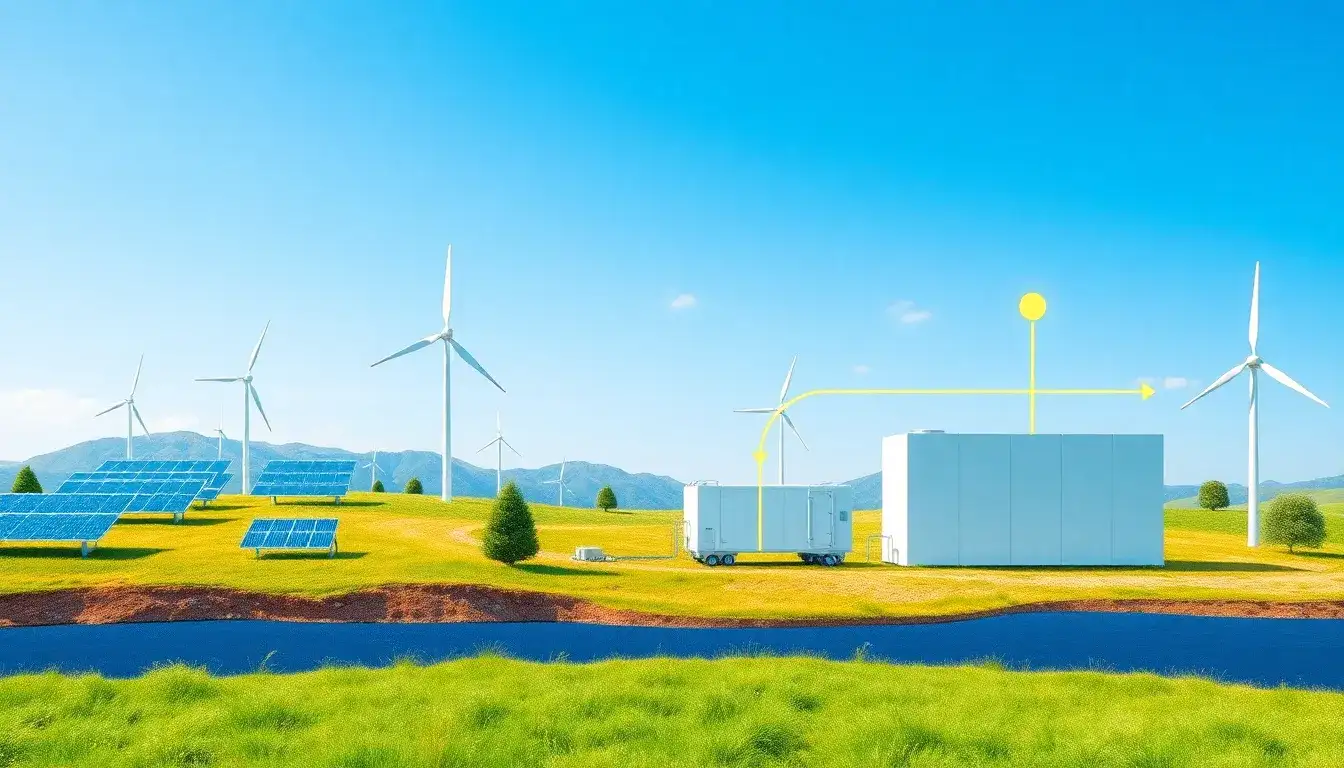
Energy storage systems (ESS) play a critical role in the integration of renewable energy by addressing the inherent variability and intermittency of sources like solar and wind power. Their functions enable renewable energy to become a more reliable, flexible, and valuable contributor to the power grid and end-use sectors. Here are the key roles energy storage plays in renewable energy integration:
Balancing Intermittency and Variability
- Renewable energy sources such as solar and wind do not produce electricity consistently due to changes in weather and daily/seasonal cycles. Energy storage systems capture excess energy generated during high production periods (e.g., sunny or windy times) and store it for use when generation drops, such as at night or during calm weather.
- This smoothing of supply fluctuations helps maintain a steady power flow, avoiding sudden drops or spikes that could destabilize the grid.
Enhancing Grid Stability and Reliability
- ESS provide fast response services including frequency regulation, voltage support, and ramp-rate control, which are increasingly necessary as conventional synchronous generators decline with renewable uptake.
- They enable “firming” of renewable output, meaning short-term storage can ride through brief disruptions (e.g., passing clouds) to maintain a consistent and reliable electrical supply.
Enabling Greater Renewable Penetration
- By decoupling energy production from consumption in time, ESS facilitate higher shares of variable renewables on the grid without risking outages or curtailment (forced reduction of renewable output).
- This reduces the need for costly grid upgrades and backup fossil fuel plants, making renewable deployment more cost-effective and scalable.
Supporting Distributed and Behind-the-Meter Applications
- At smaller scales, such as commercial, industrial, and residential sizes, storage optimizes self-consumption of on-site renewables, performs peak shaving to reduce demand charges, and provides backup power.
- Residential battery systems integrated with solar panels or EV chargers help homeowners manage energy costs and improve resilience.
Providing Long-Duration and Seasonal Storage
- Thermal energy storage systems, such as molten salt in concentrating solar plants, store heat for electricity generation or direct heating, enabling renewable use beyond daily cycles and balancing seasonal demand variations.
Facilitating New Business Models and Market Services
- Energy storage enables revenue stacking by participating in multiple grid services, including energy arbitrage, ancillary service markets, and capacity auctions, improving the economic case for renewables.
- Storage integration supports emerging concepts like virtual power plants and microgrids, enhancing the flexibility and resilience of the overall energy system.
Accelerating the Transition to Electrified and Decarbonized Sectors
- Battery storage underpins the electrification of transportation with electric vehicles and supports off-grid and mini-grid renewable solutions for remote areas.
In summary, energy storage systems are essential enablers for expanding renewable energy use by increasing grid flexibility, reliability, and economic viability. They help manage the mismatch between renewable generation and demand, reduce curtailment, and provide critical grid services that sustain the stability of power systems with high shares of renewables. As storage technologies continue to improve and costs decline, their role in renewable integration will only become more significant.
Original article by NenPower, If reposted, please credit the source: https://nenpower.com/blog/what-role-do-energy-storage-systems-play-in-renewable-energy-integration/

