

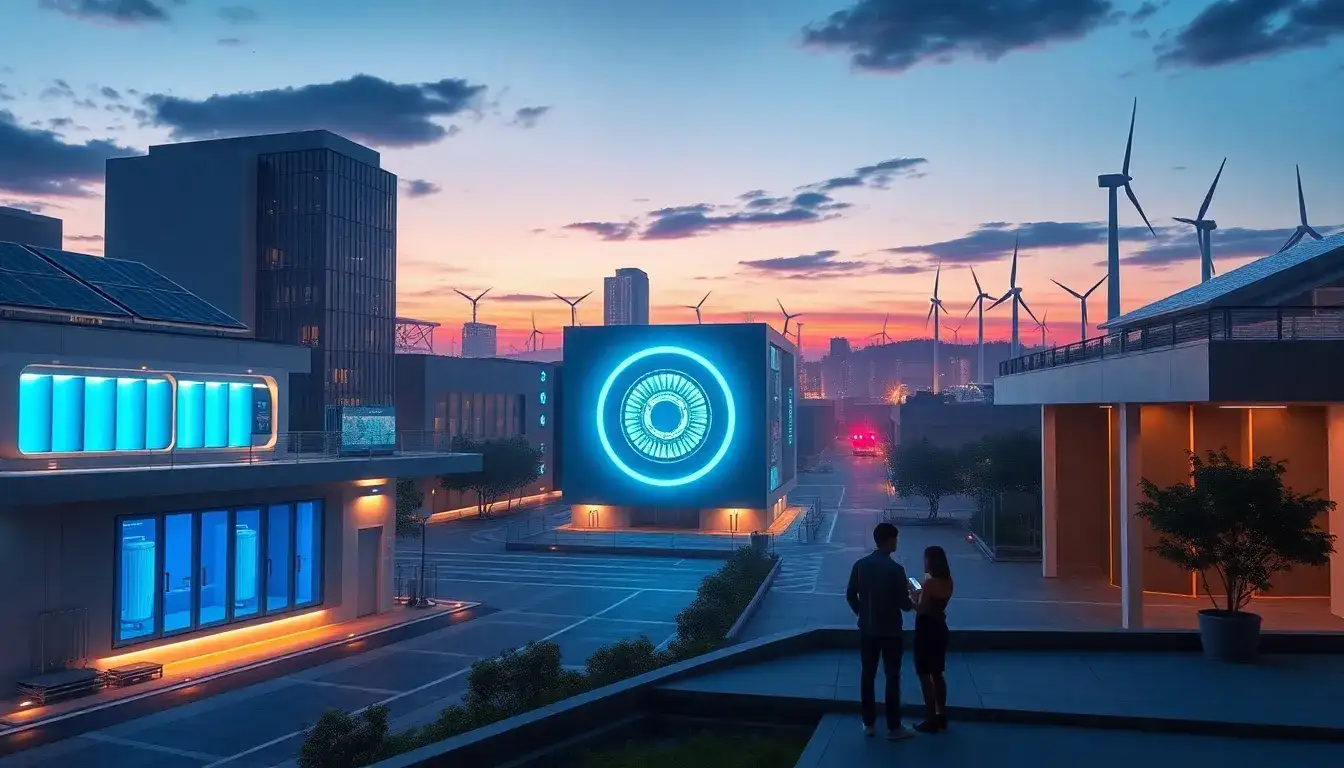
Energy storage systems (ESS), including battery energy storage systems (BESS), play a pivotal role in providing emergency backup power across various sectors. Here are some key aspects of their role:
Key Functions of Energy Storage Systems in Emergency Backup Power
- Rapid Response: BESS can activate almost instantly, typically within milliseconds to a few hundred milliseconds, which is significantly faster than traditional diesel generators. This rapid response is critical for maintaining power in emergency situations where even brief interruptions can have severe consequences, such as in hospitals and data centers.
- Scalability and Adaptability: Energy storage systems are highly scalable and adaptable, allowing them to be tailored to different applications, from small residential setups to large industrial or disaster relief scenarios. This flexibility makes them suitable for a wide range of emergency power needs.
- Sustainability and Efficiency: Unlike diesel generators, which have environmental drawbacks and require regular maintenance, BESS offer a clean and efficient solution. They can reduce carbon emissions significantly when used in conjunction with renewable energy sources or when replacing traditional generators.
- Emergency Operations: In disaster scenarios, where grid power may be disrupted, portable BESS can be quickly deployed to provide essential services such as power for emergency lighting, communication, and medical facilities. Their grid-independence ensures critical infrastructure remains operational even when traditional power sources are unavailable.
- Integration with Renewables: BESS can seamlessly integrate with renewable energy sources like solar or wind, enhancing energy efficiency and reducing reliance on fossil fuels. This makes them an attractive option for both immediate and delayed emergency power applications.
- Low Maintenance: Unlike diesel generators, which require frequent maintenance, BESS are virtually maintenance-free, reducing operational costs and logistical burdens during emergencies.
Specific Use Cases
- Residential and Commercial Settings: Systems like Tesla’s Powerwall provide whole-home backup capabilities, ensuring that essential systems continue to operate during power outages.
- Disaster Relief: Portable systems such as POWRBANK are used to rapidly establish power in remote or off-grid locations, supporting emergency services, command centers, and communication networks.
- Industrial and Healthcare Settings: Immediate response systems are critical for maintaining life-saving equipment and ensuring continuous operations in sectors where downtime is unacceptable.
Original article by NenPower, If reposted, please credit the source: https://nenpower.com/blog/what-role-do-energy-storage-systems-play-in-providing-emergency-backup-power/

