

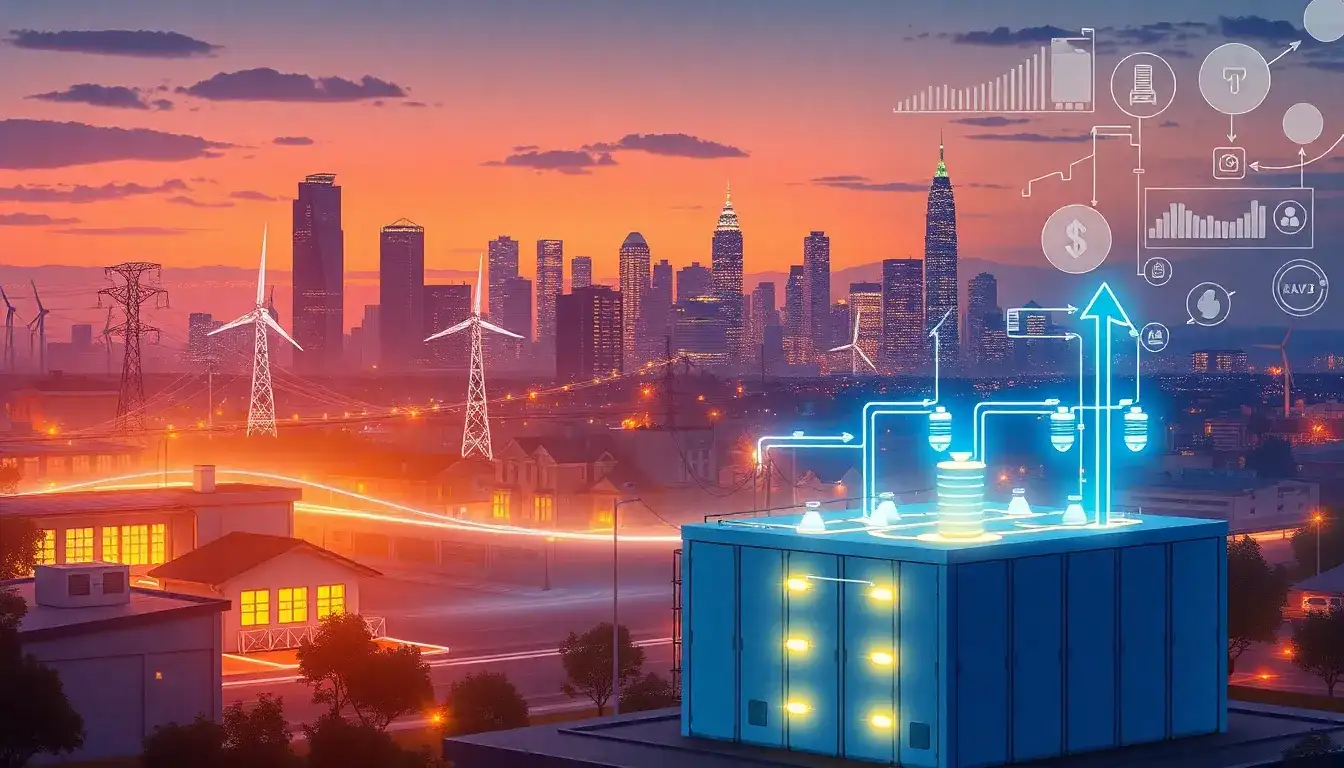
Demand response (DR) programs play a crucial role in accelerating the adoption of energy storage technologies by creating financial incentives and operational opportunities that encourage consumers and utilities to deploy battery energy storage systems (BESS). Here are the key ways DR supports energy storage adoption:
Enhancing Grid Reliability and Resilience
- DR programs enable grid operators to reduce or shift electricity demand during peak periods or emergencies, improving grid stability. Energy storage systems, especially residential and utility-scale batteries, are significant resources in these programs because they can quickly discharge or store energy as needed to balance supply and demand. This makes the grid more resilient against outages and variability caused by renewables or extreme weather events.
Financial Incentives and Customer Compensation
- By participating in DR programs, customers with batteries can receive direct payments or incentives for allowing their batteries to be dispatched during peak demand or grid emergencies. For example, California’s Emergency Load Reduction Program (ELRP) compensates residential battery owners for reducing their load, and other states like Massachusetts and New York offer similar incentives tied specifically to battery dispatch.
- These incentives lower the effective cost of energy storage systems, making them more attractive for homeowners and businesses and accelerating market adoption.
Unlocking Additional Revenue Streams and Improving Economics
- For utility-scale solar-plus-storage projects, integrating DR capabilities offers an important revenue source beyond just energy sales. Energy storage can perform peak shaving, load shifting, and frequency regulation, all compensated through DR programs. This additional monetization opportunity improves project financial viability and encourages further deployment of storage technologies.
- The integration of advanced battery technologies with DR programs helps developers and operators maximize project value by addressing issues like grid intermittency and curtailment risks, thus driving more investments in energy storage.
Driving Innovation and Integration of Distributed Energy Resources (DERs)
- DR initiatives increasingly include residential batteries as a core component of distributed energy resources. Programs like virtual power plants (VPPs) allow aggregated control of distributed batteries, enabling coordinated grid support while giving participants economic benefits.
- This evolution in DR programs fosters innovation in energy storage control, aggregation, and participation models, which enhances the scale and effectiveness of storage adoption at the residential level.
In summary, demand response programs act as a catalyst for energy storage adoption by providing incentives and operational frameworks that monetize the flexibility and grid services batteries can offer. This drives both customer willingness to invest in storage and utilities’ confidence in deploying these technologies to enhance grid reliability and integrate more renewable energy sources. The synergy between DR and energy storage is critical for advancing a cleaner, smarter, and more resilient electricity system.
Original article by NenPower, If reposted, please credit the source: https://nenpower.com/blog/what-role-do-demand-response-programs-play-in-the-adoption-of-energy-storage-technologies/

